
Beautiful Plants For Your Interior
Beautiful Plants For Your Interior
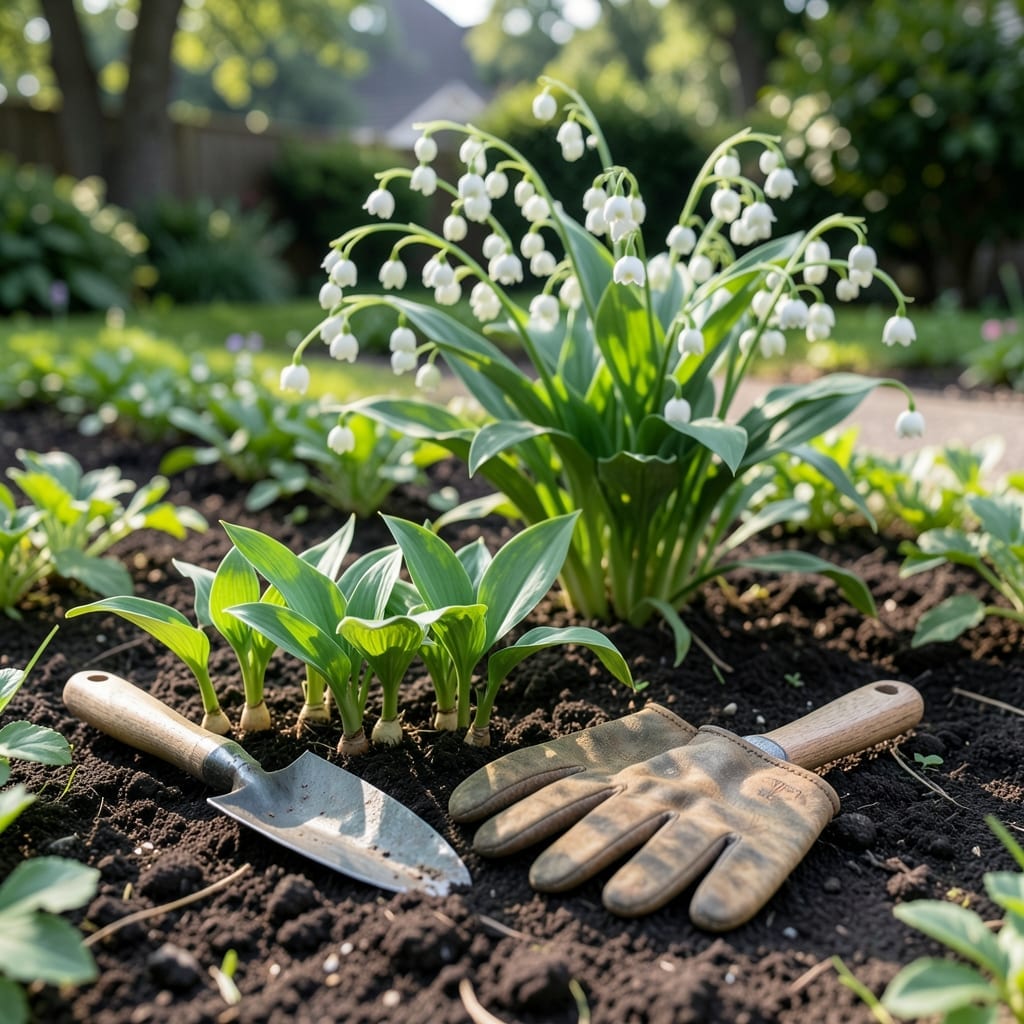
Timing is everything when planting Lily Of The Valley to ensure those iconic, fragrant bells flourish in your garden. Plant too early or too late, and you risk stunted growth or no blooms at all.
I’ve learned the hard way that getting this right makes all the difference. Whether you’re in zone 4-8 or just starting out, the season you choose can be a game-changer for your garden’s success.
Discover the perfect windows—October-November or March-April—and how to prep for the best results with this delicate yet rewarding plant.


Getting the planting time right is crucial for Lily of the Valley. This delicate perennial thrives when planted during its dormant periods—early fall or early spring. These windows allow roots to establish before extreme temperatures hit.
In my experience, October-November and March-April are the sweet spots. The soil is workable, and temperatures are mild, reducing stress on the pips or bare root stock. Avoid planting during summer heat or winter freezes.
| Season | Ideal Months | Soil Temp | USDA Zones |
|---|---|---|---|
| Early Fall | October-November | 50-60°F | 4-8 |
| Early Spring | March-April | 45-55°F | 4-8 |
For fall planting, aim for 4-6 weeks before the first frost. This gives roots time to settle in. In spring, plant as soon as the soil is thawed and workable—usually after the last frost date in your area.
Soil temperature is key. In fall, it should be above 50°F to encourage root growth before dormancy. In spring, 45-55°F is ideal. Use a soil thermometer to check if you’re unsure.
If you’re in warmer climates (zone 8), fall planting works best. Cooler regions (zones 4-5) can do well with spring planting to avoid winter heaving. Always consider your local microclimate and frost dates.
Pips (small bulb-like structures) are the easiest to plant. They should be firm and plump. If they’re shriveled or soft, they may not establish well. Soak them in water for a few hours before planting to rehydrate.
For bare root stock, plant immediately upon arrival. Delaying can dry out the roots. Dig a hole 1 inch deep and place the pip or root horizontally. Space them 4-6 inches apart to allow for spread.
The soil should be moist but well-draining. Lily of the Valley hates soggy feet. Amend heavy clay with compost or sand to improve drainage. A pH of 6.0-7.0 is ideal.
After planting, water thoroughly to settle the soil. Keep the area consistently moist (not waterlogged) for the first few weeks. Mulch with organic material to retain moisture and suppress weeds.
Avoid planting in peak summer or dead of winter. The stress from extreme temperatures can stunt growth or kill young plants. If you must plant in less-than-ideal conditions, provide extra care and shade.
Planting Lily of the Valley is straightforward if you follow the right steps. I always start by preparing the soil—this plant loves moist, well-draining conditions with a pH of 6.0-7.0. Work in compost to boost fertility.
Choose pips or bare root stock for planting. Pips are small, bulb-like structures that should be firm and plump. Soak them for a few hours before planting to rehydrate. For bare root stock, plant immediately to prevent drying out.
Early fall or early spring are the best planting times. In fall, aim for 4-6 weeks before the first frost. In spring, plant after the last frost date when the soil is workable and above 45°F.
For bare root stock, ensure the roots are spread out in the hole. Avoid bending or crowding them. For pips, plant with the growing tip facing up. This encourages proper growth direction.
After planting, water deeply to settle the soil. Keep the area consistently moist but not waterlogged. Overwatering can cause rot, while underwatering stresses the plant. Mulch with organic material to retain moisture and suppress weeds.
Partial shade is ideal for Lily of the Valley. It thrives with 2-4 hours of morning sun and afternoon shade. Avoid hot, direct sunlight, which can scorch the leaves. If planting in containers, ensure they have drainage holes.
With proper timing and care, your Lily of the Valley will establish quickly and reward you with fragrant blooms for years to come. Be patient—it may take a season or two for the plant to reach its full potential.
🌿