
Beautiful Plants For Your Interior
Beautiful Plants For Your Interior
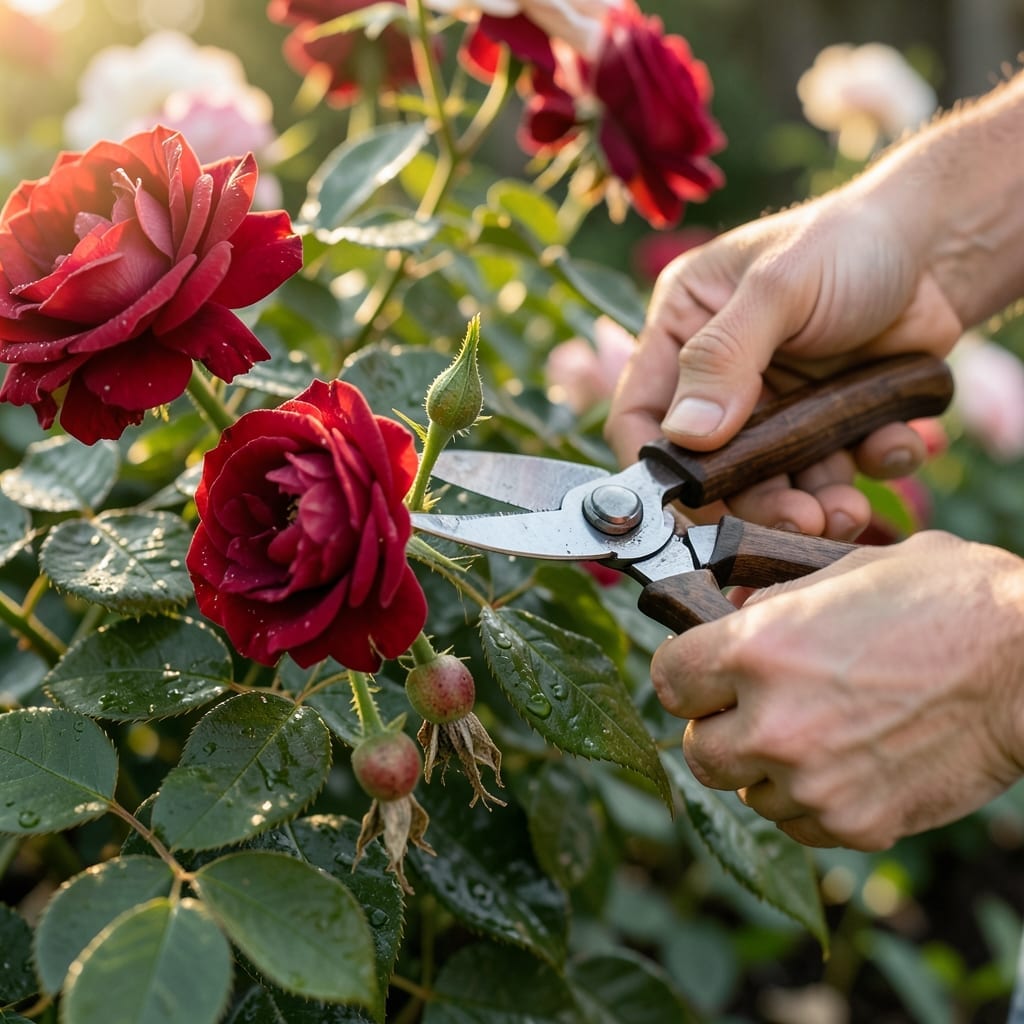
Lilacs and roses are garden staples that reward proper pruning with explosive color and fragrance. These ten expert-approved tips will help you shape your plants for healthier growth and the most vibrant blooms of the season.
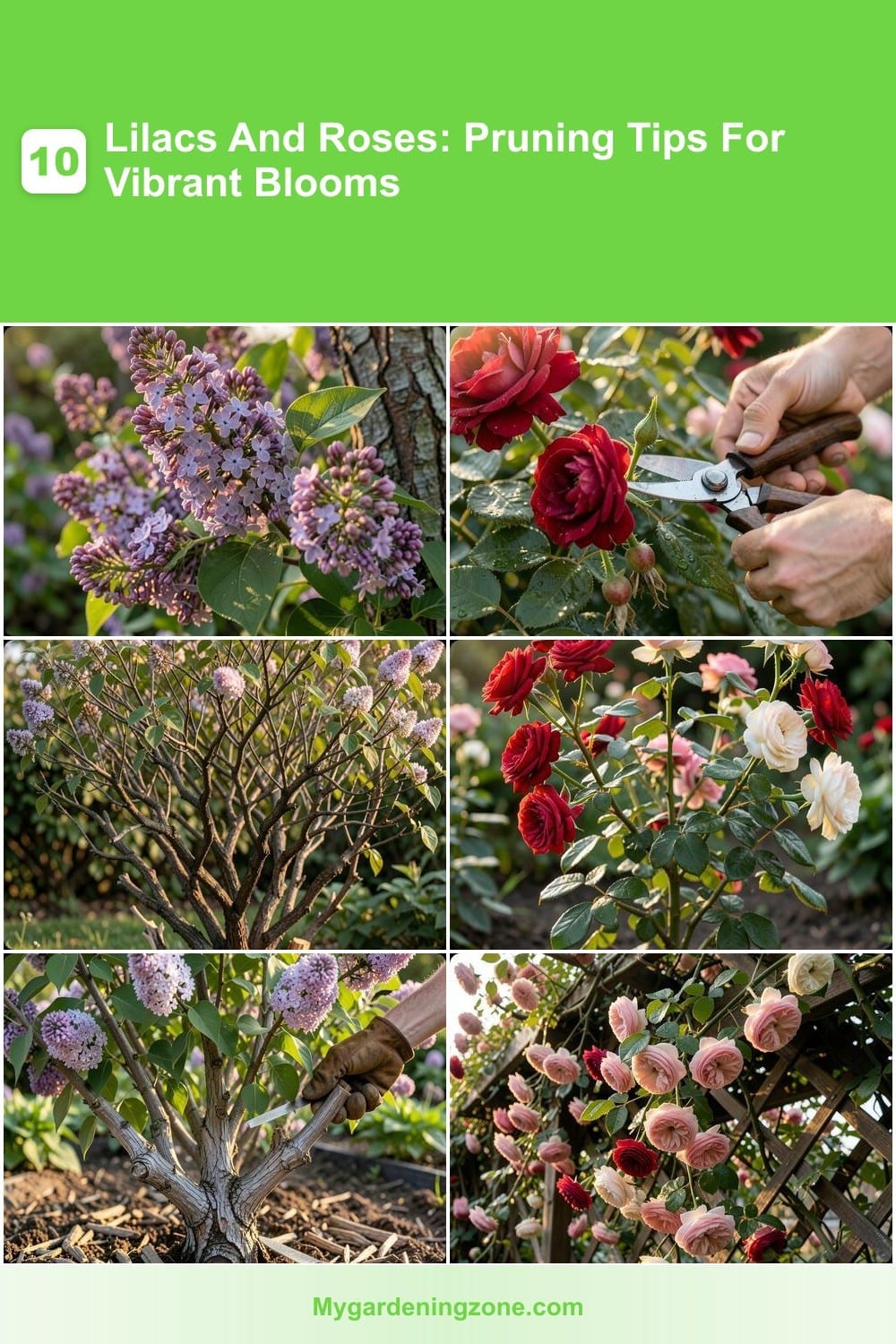
Nothing ruins next year’s lilac display like pruning at the wrong time. These fragrant shrubs set their buds for the following season immediately after flowering, so timing is everything.
Prune your lilacs right after the last blooms fade, typically in late spring. This gives the plant time to develop new growth and set buds for next year. Waiting too long risks cutting off the very buds you hope to enjoy.
For gardeners who love a full, fragrant spring show, this simple timing trick makes all the difference. 🌿
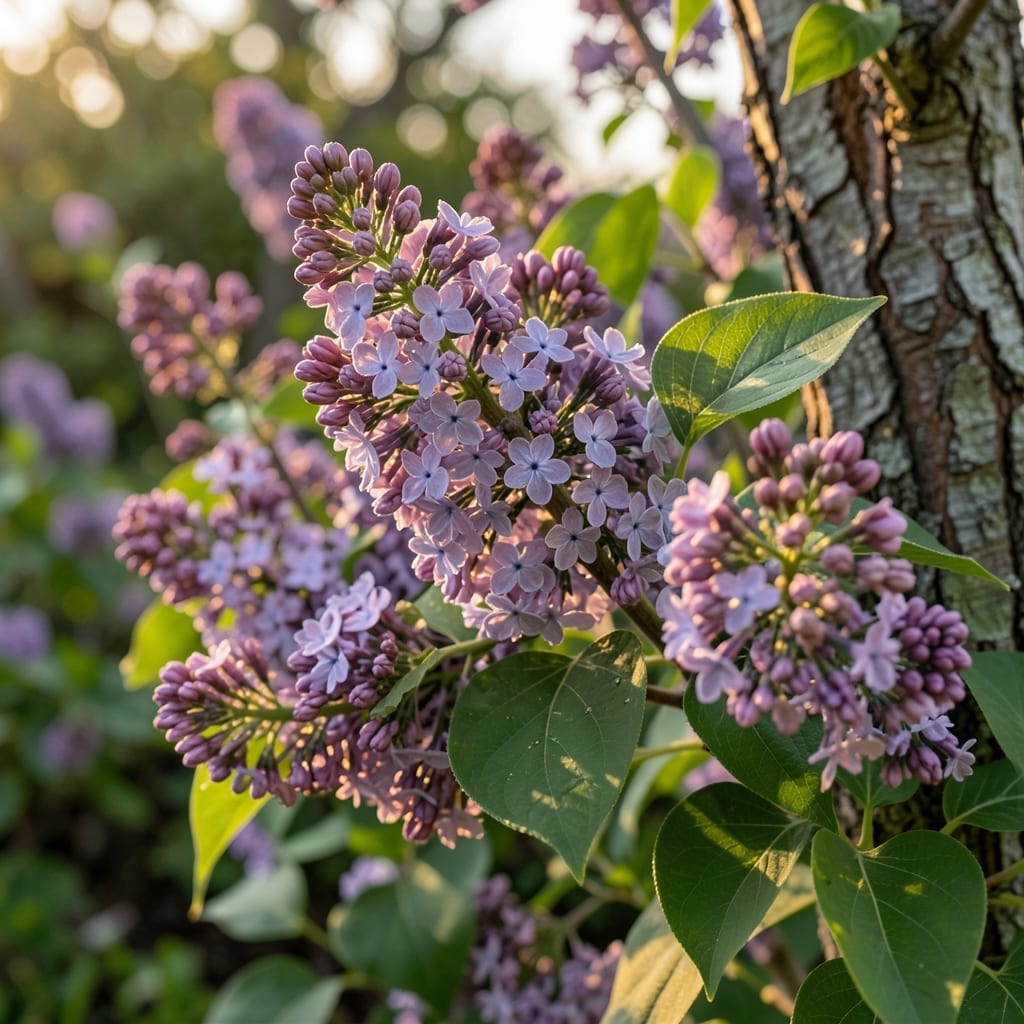
Stop your roses from wasting energy on seed production and watch the blooms multiply. Deadheading spent flowers is the simplest way to encourage a second flush of color that keeps your garden vibrant for months longer.
Use sharp bypass pruners to cut just above a five-leaflet set, where new growth emerges. This method prevents stubby stems and encourages quick regrowth. Repeat every 1-2 weeks during the growing season for non-stop flowers.
Perfect for gardeners who want maximum impact with minimal effort, this technique works on all rose types except once-blooming varieties. 🌷
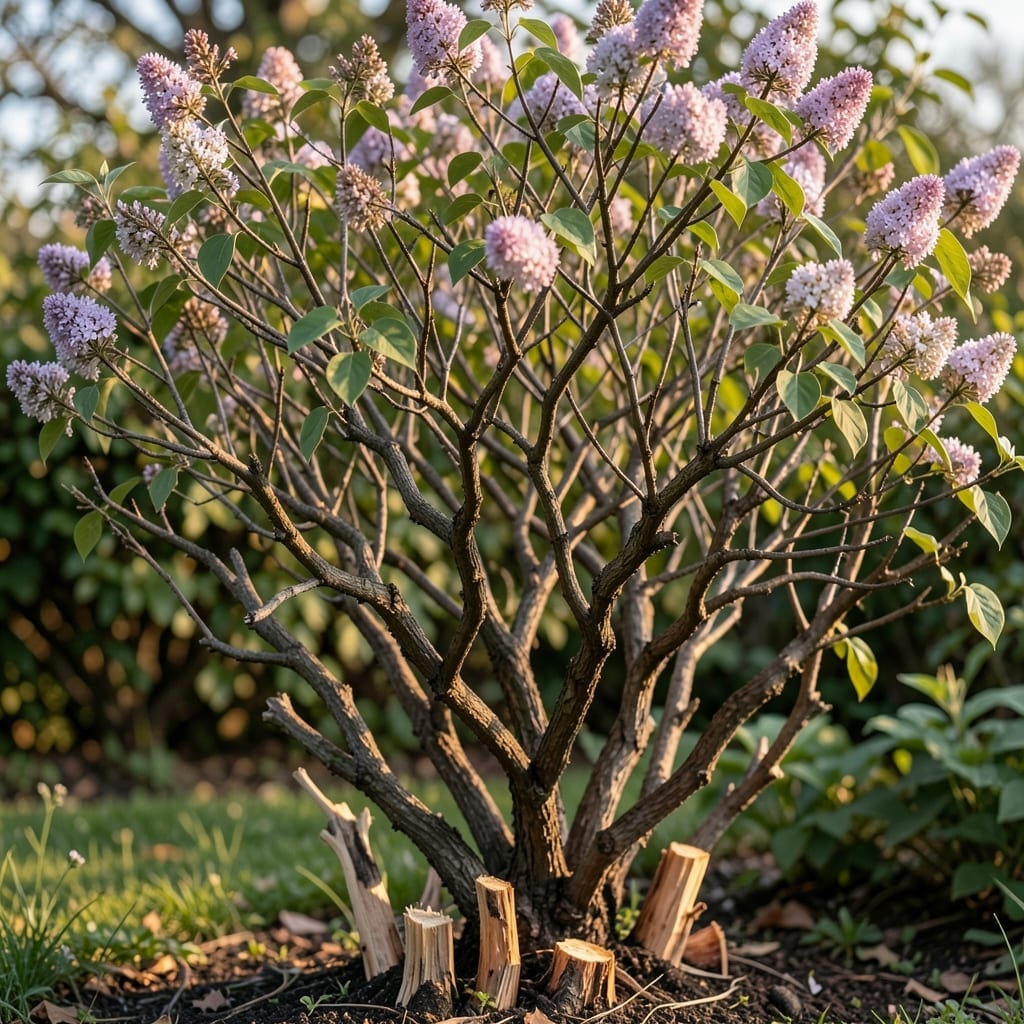
An overgrown lilac bush struggles with poor air flow and weak blooms, but a simple annual thinning can transform its health and appearance. This often-overlooked step is the secret to vibrant, full flowers year after year.
Remove about one-third of the oldest stems each year, cutting them right at ground level. This opens the center of the bush, allowing sunlight and air to reach inner branches while encouraging new, productive growth.
Mature lilac lovers will see immediate improvements in bloom size and plant vigor with this easy maintenance routine. 🌿
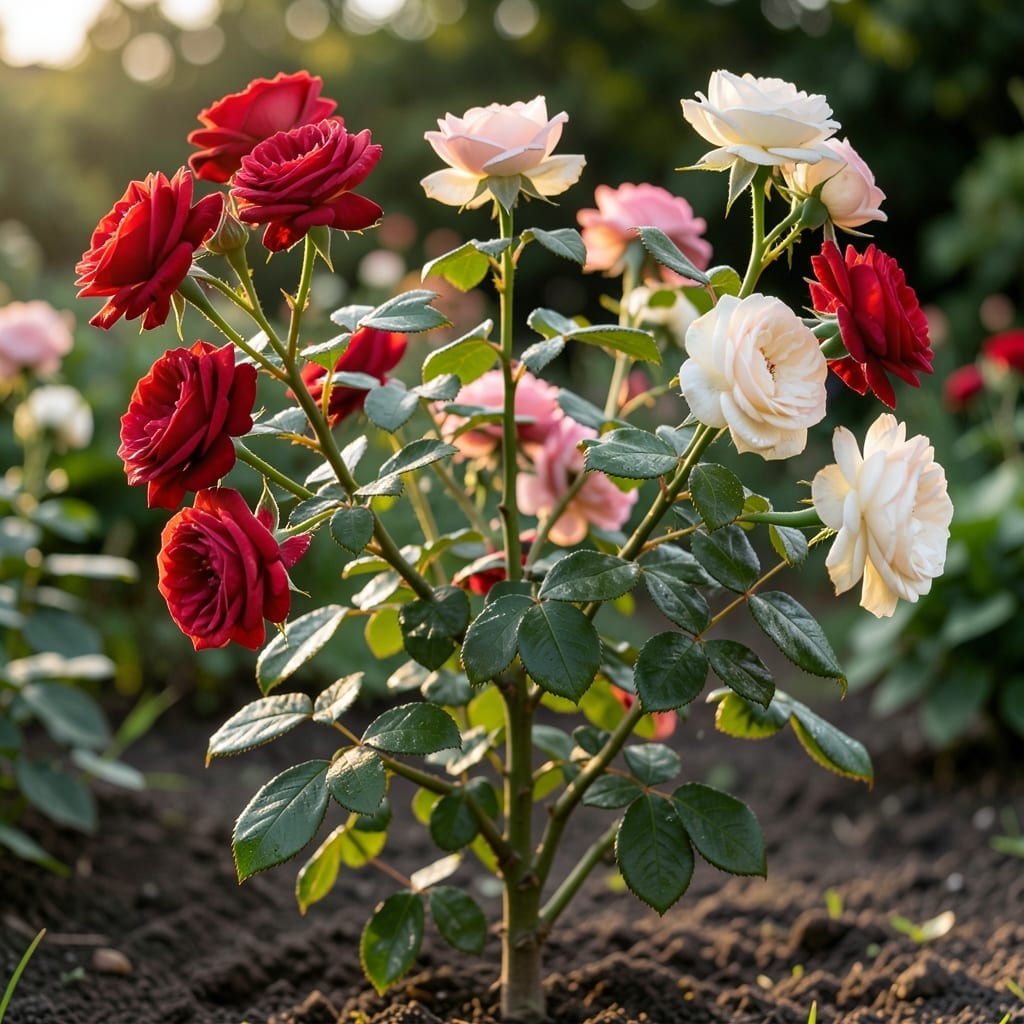
Open-center pruning transforms your hybrid tea roses from disease-prone thickets into healthy, blooming showstoppers. This method creates a vase-like shape that maximizes airflow and sunlight penetration, which are crucial for preventing fungal issues.
Start by removing dead or crossing canes, then prune remaining stems outward at a 45-degree angle. Aim for 5-7 main canes spaced evenly around the center. This framework supports those iconic large, perfect blooms hybrid teas are famous for.
Rose enthusiasts will notice fewer black spot problems and more vigorous growth after adopting this simple but powerful technique. 🌹
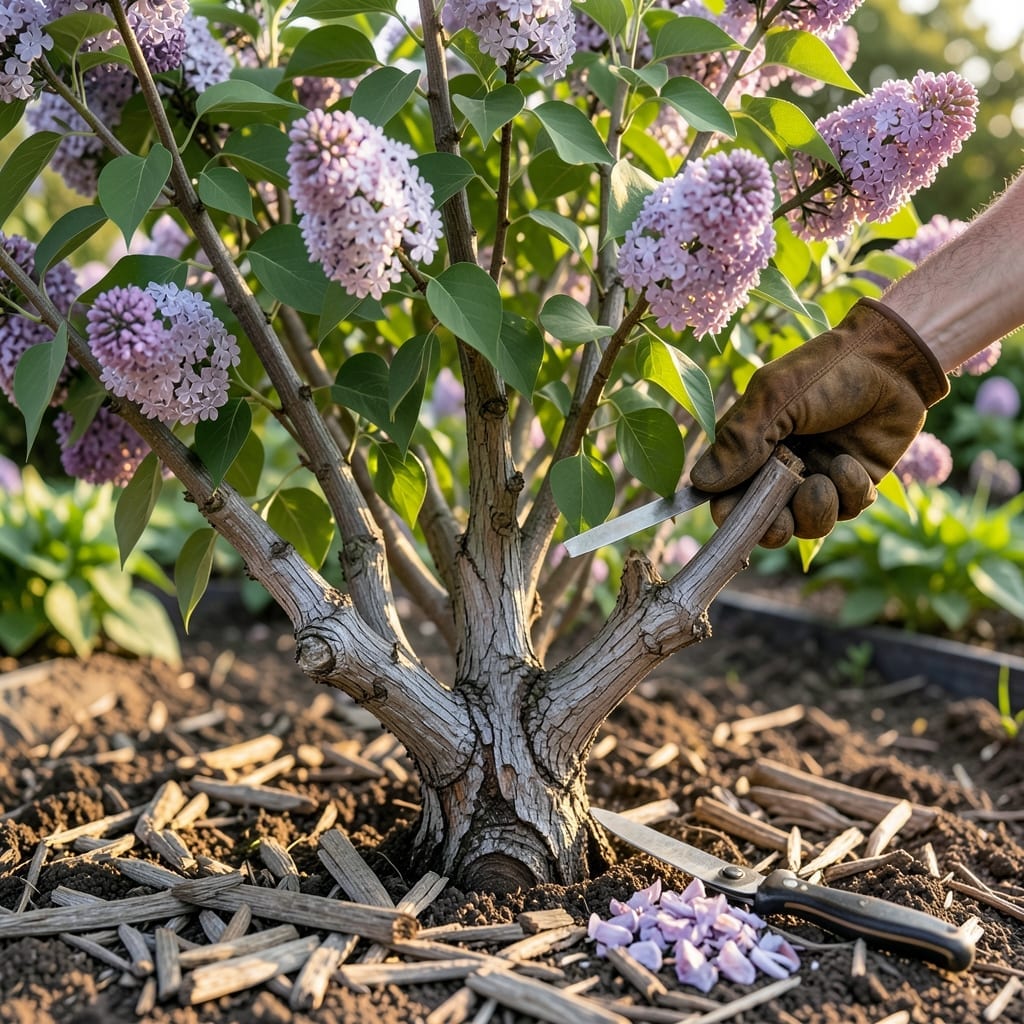
Neglected old lilacs don’t have to stay scraggly and bloomless. A strategic three-year rejuvenation plan can bring them back to life while keeping some flowers each season.
In year one, remove only the oldest third of stems at ground level right after blooming. Repeat this process each spring, leaving the youngest canes untouched. By year three, you’ll have a completely renewed shrub with better airflow and vigor.
This gradual approach is perfect for gardeners who want to restore overgrown lilacs without losing all their beloved spring fragrance at once. 🌿
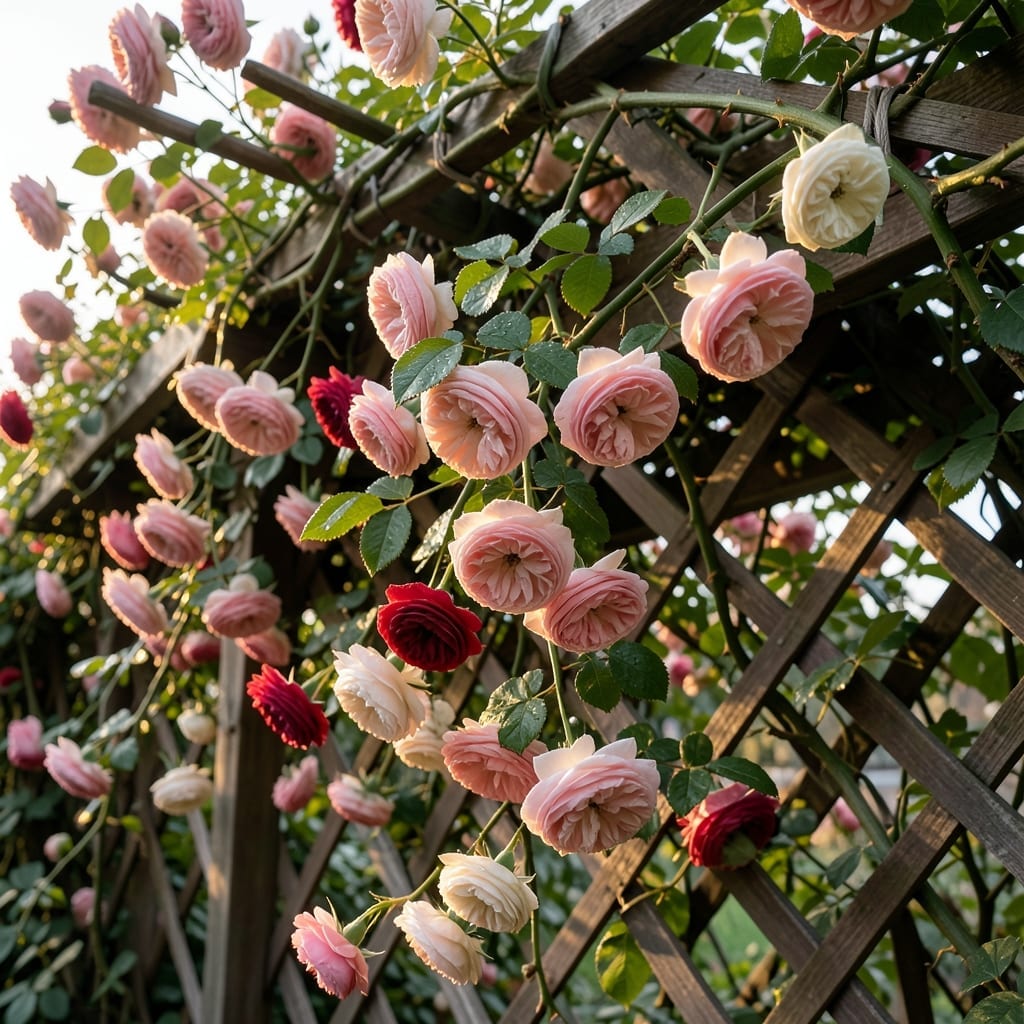
Transform your climbing roses from sparse bloomers to a floral waterfall by mastering cane training. The secret lies in how you position the long, flexible stems on their support system.
Fan out the main canes horizontally and tie them at a 45-degree angle to encourage side shoots. These lateral branches produce the most flowers, and this method distributes blooms evenly along the entire length rather than just at the tips.
Vertical gardeners and archway lovers will achieve maximum impact with this technique, creating a balanced, bloom-covered structure that turns heads. 🌹
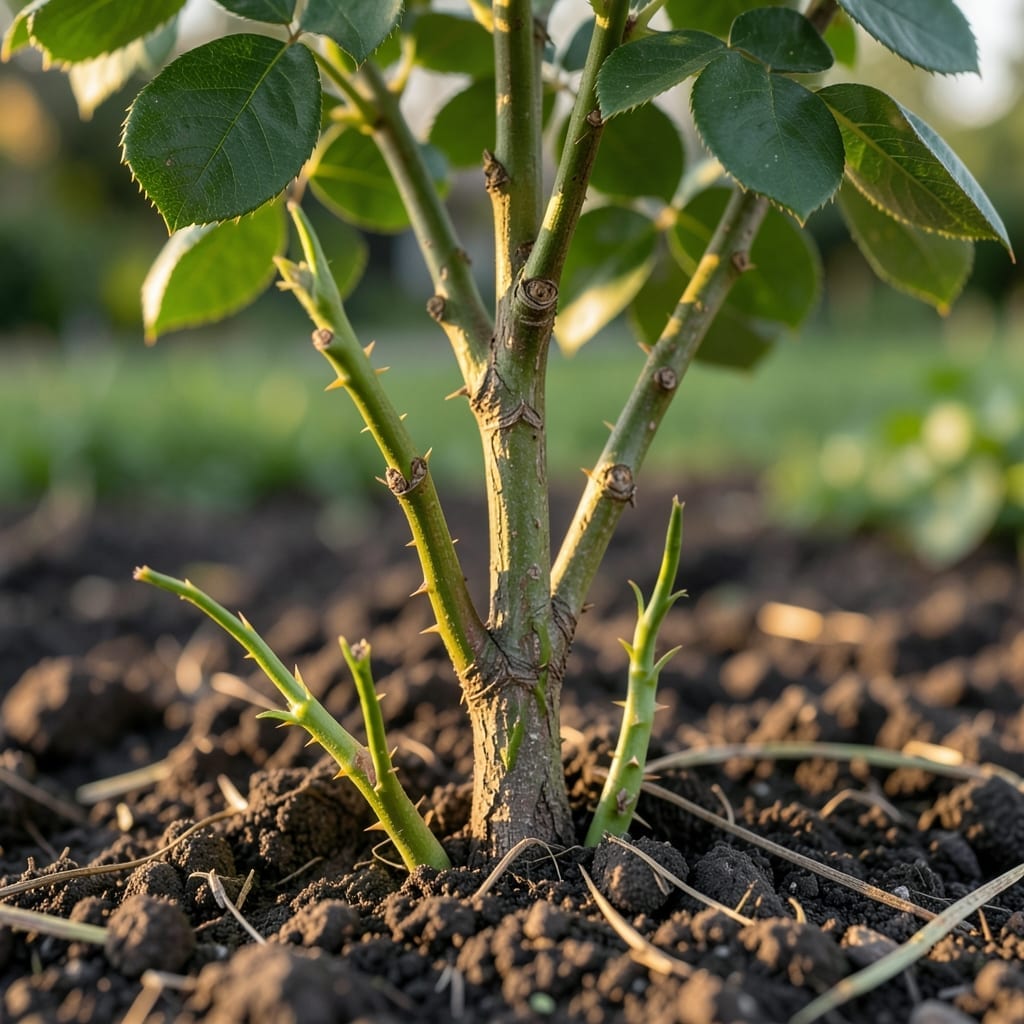
Those mysterious shoots sprouting from your rose’s base aren’t new growth from your prized variety. They’re suckers from the rootstock, stealing energy and water from the plant you actually want.
Pull or prune these suckers as soon as you spot them, making sure to remove them below soil level where they originate. This prevents regrowth and keeps your rose focusing its energy on producing those beautiful, variety-specific blooms you planted it for.
This simple maintenance task ensures your grafted roses maintain their true characteristics and thrive at their full potential. 🌹
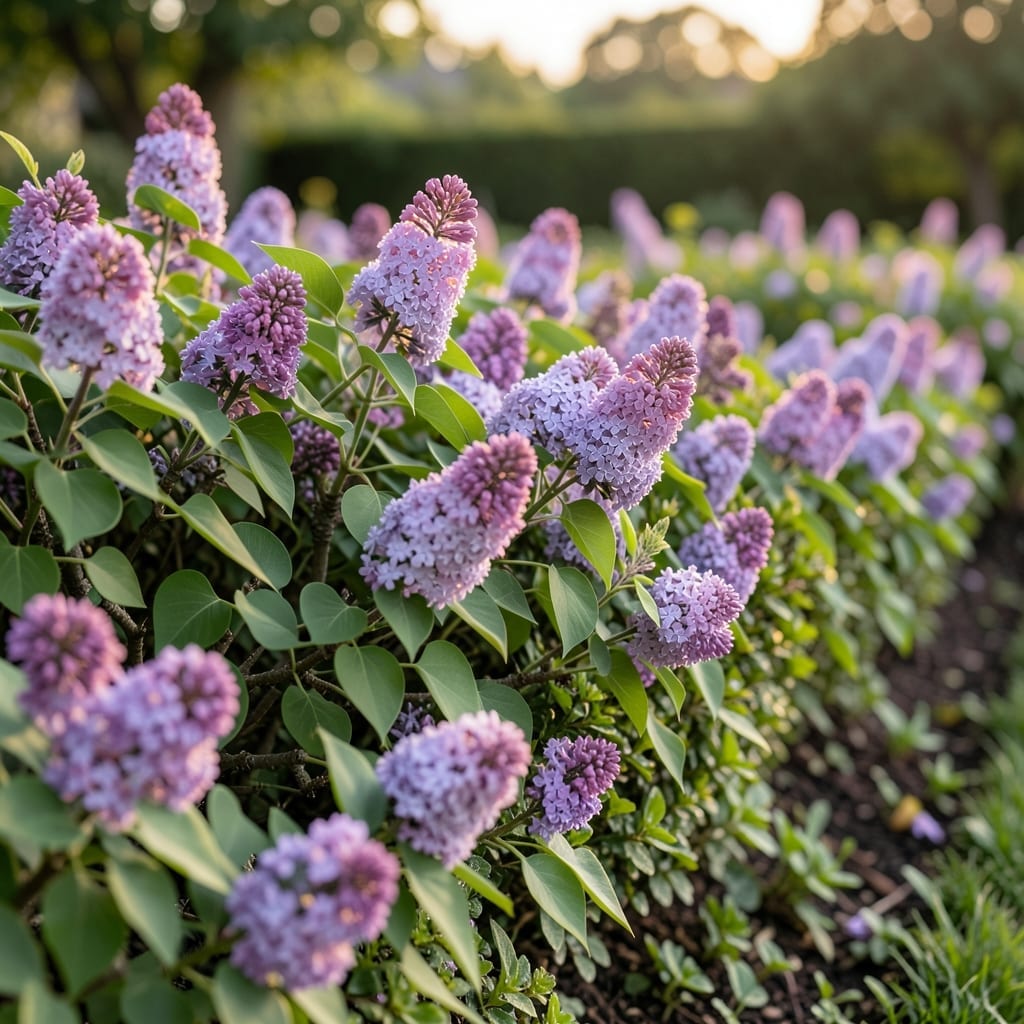
Keep your lilac hedge looking sharp and blooming abundantly with annual maintenance pruning. Unlike free-standing shrubs, hedges need regular shaping to maintain their form while encouraging dense, uniform growth from top to bottom.
Prune immediately after flowering, cutting back new growth by about one-third. Focus on creating a slightly narrower top than base so sunlight reaches the lower branches, promoting blooms all along the hedge rather than just at the top.
This method is ideal for gardeners who want a neat, flowering privacy screen that stays manageable and beautiful year after year. 🌿
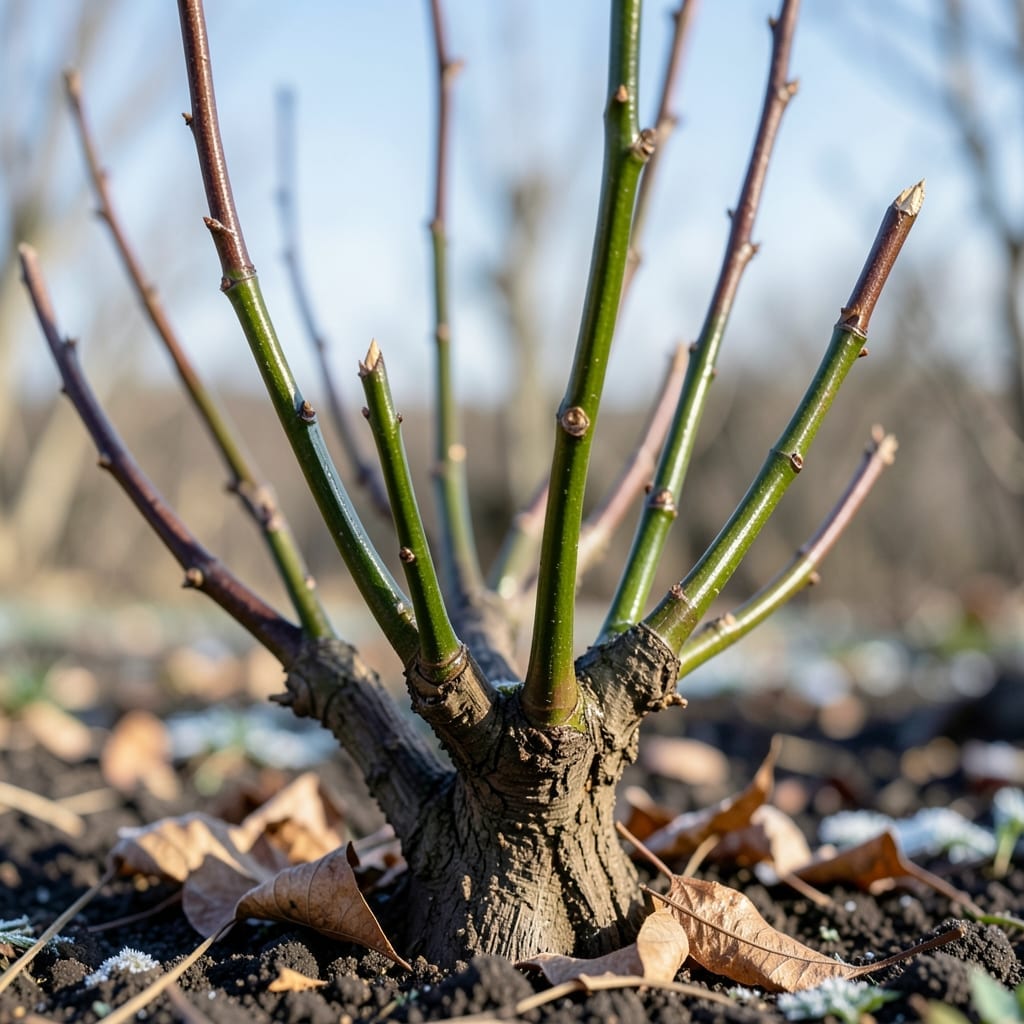
Late winter is the perfect window to give your roses a fresh start before spring growth kicks in. This annual pruning session removes winter-damaged wood and shapes the plant for optimal airflow and sunlight exposure.
Cut back dead or diseased canes to healthy wood, and shorten remaining stems by about one-third. Focus on creating an open center to prevent fungal issues and encourage strong new growth. Always use sharp tools for clean cuts that heal quickly.
This essential task ensures your roses channel energy into producing abundant, vibrant blooms rather than repairing damage. 🌹
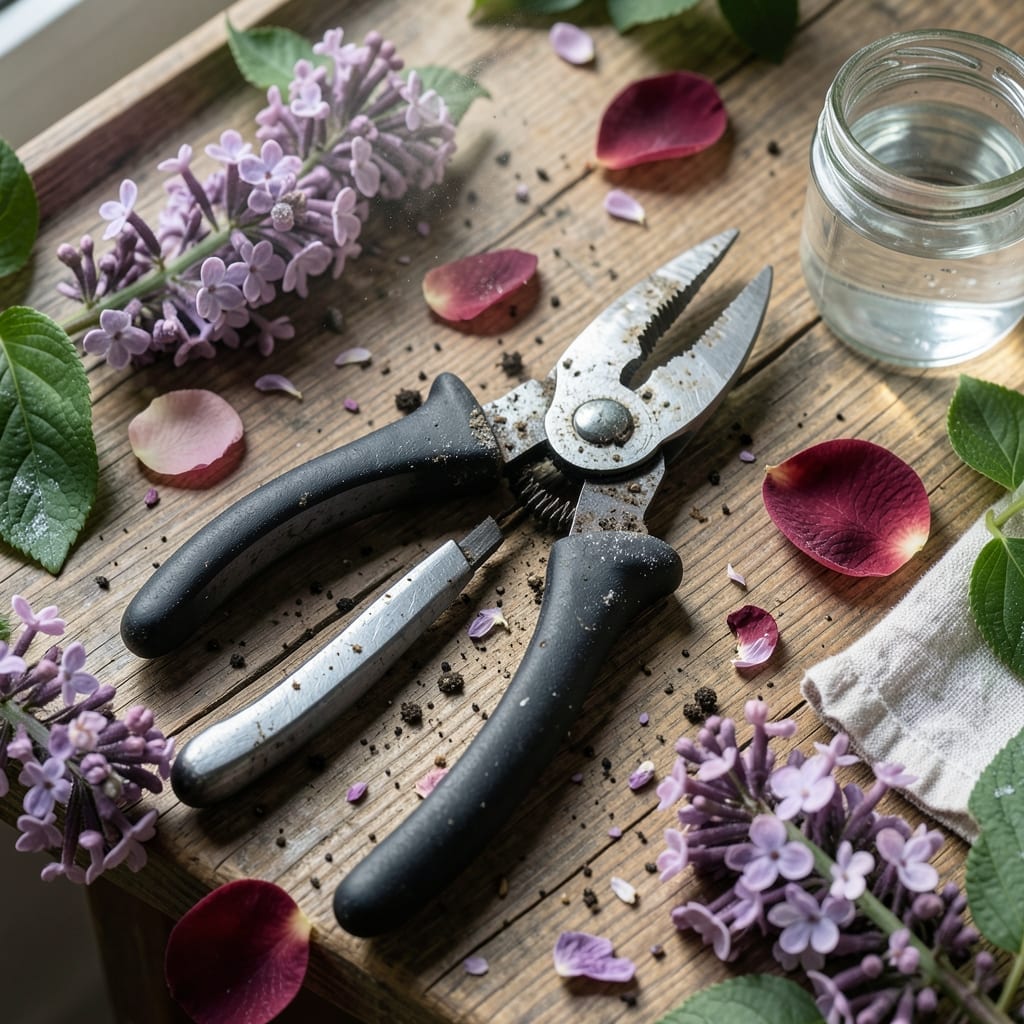
Your pruning shears might be spreading more than just cuts between your lilacs and roses. Without proper sanitation, tools can transfer fungal spores and bacteria that cause diseases like powdery mildew or black spot from one plant to another.
Always clean your tools with rubbing alcohol or a 10% bleach solution between cuts, especially when moving between different plants. A quick wipe with a disinfectant-soaked cloth takes seconds but prevents weeks of potential damage to your garden’s health.
This simple habit is a game-changer for gardeners who prune multiple plants in one session, keeping your blooms vibrant and disease-free. 🌿