
Beautiful Plants For Your Interior
Beautiful Plants For Your Interior
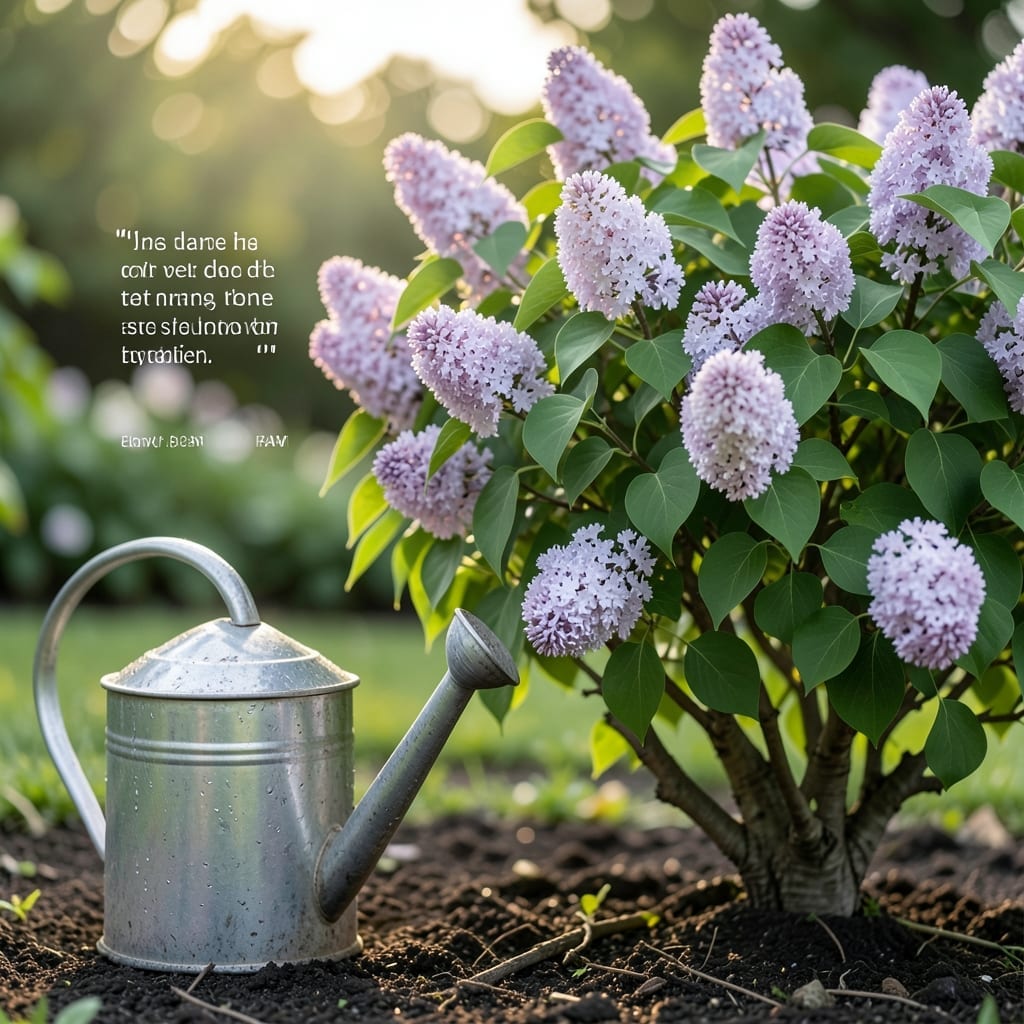
That first whiff of 🌸 Lilac blooms in spring is pure magic—but without the right watering, your shrubs might never reach their full potential. I’ve seen too many gardeners struggle with wilting leaves or weak flowers, all because of simple watering mistakes.
Getting the balance right isn’t complicated once you know the basics. Whether your Lilac is newly planted or well-established, its needs change with the seasons and soil conditions.
I’ll walk you through exactly how much water your Lilac truly needs, when to adjust, and the telltale signs it’s thirsty—or drowning. No guesswork, just healthy, vibrant shrubs.
Discover the straightforward approach that keeps your Lilacs thriving year after year. Let’s make those blooms the envy of the neighborhood.
I’ve learned that lilacs thrive with consistent moisture, but they hate soggy roots. Weekly watering is ideal for most established shrubs, but the exact amount depends on your climate and soil type. In hot, dry regions, you might need to water twice a week.
For newly planted lilacs, I recommend deep watering every 3-4 days for the first month. This helps the roots establish. After that, you can taper off to once a week unless the weather is extremely dry.
| Stage | Water Frequency | Water Amount |
|---|---|---|
| Newly Planted | Every 3-4 days | 1-1.5 gallons |
| Established | Weekly | 1-2 gallons |
| Drought | 2x weekly | 1.5-2 gallons |
| Winter | Bi-weekly | 1 gallon |
I always check the soil moisture before watering. Stick your finger 2-3 inches into the soil. If it feels dry, it’s time to water. Lilacs prefer moist but well-drained soil, so avoid waterlogging.
In sandy soil, water drains quickly, so you may need to water more often. For clay soil, less frequent watering is better since it retains moisture longer. Mulching helps maintain soil moisture and reduces evaporation.
During summer heatwaves, I give my lilacs an extra drink. Early morning is the best time to water, as it allows the foliage to dry before evening, reducing the risk of fungal diseases.
If you notice yellowing leaves or drooping stems, it might be a sign of overwatering. On the other hand, wilting or dry, crispy leaves indicate underwatering. Adjust your routine accordingly.
For potted lilacs, watering needs are slightly different. They dry out faster, so I check them every 2-3 days in warm weather. Ensure your pots have drainage holes to prevent root rot.
Remember, mature lilacs are quite drought-tolerant. Once established, they can handle periods of dryness, but consistent moisture leads to the best blooms. A deep soak once a week is better than frequent shallow watering.
🌸Finally, always water at the base of the plant, not over the leaves. This keeps the foliage dry and prevents disease. With the right approach, your lilacs will reward you with vibrant, fragrant blooms year after year.
I’ve found that lilacs thrive with consistent moisture, but their water needs shift as the seasons change. In spring, I give mine a deep soak weekly to support new growth and blooms.
As summer heat arrives, I increase watering to twice a week, ensuring the soil stays moist but never soggy. This helps prevent heat stress during their active growth phase.
During fall, I scale back to weekly watering as the plant prepares for dormancy. This mimics natural rainfall and prevents root rot while keeping the soil healthy.
In winter, I water every two weeks unless the ground is frozen. Lilacs are drought-tolerant once established, but young shrubs need a little extra care.
I always water in the early morning to reduce evaporation and prevent fungal diseases. This timing also allows foliage to dry before nightfall, which is crucial for plant health.
For potted lilacs, I check the top inch of soil daily. If it feels dry, I water until it drains from the bottom. This ensures deep root hydration and prevents shallow root systems.
Remember, well-draining soil is key year-round. I amend heavy clay with compost to improve moisture balance and avoid waterlogging.