
Beautiful Plants For Your Interior
Beautiful Plants For Your Interior
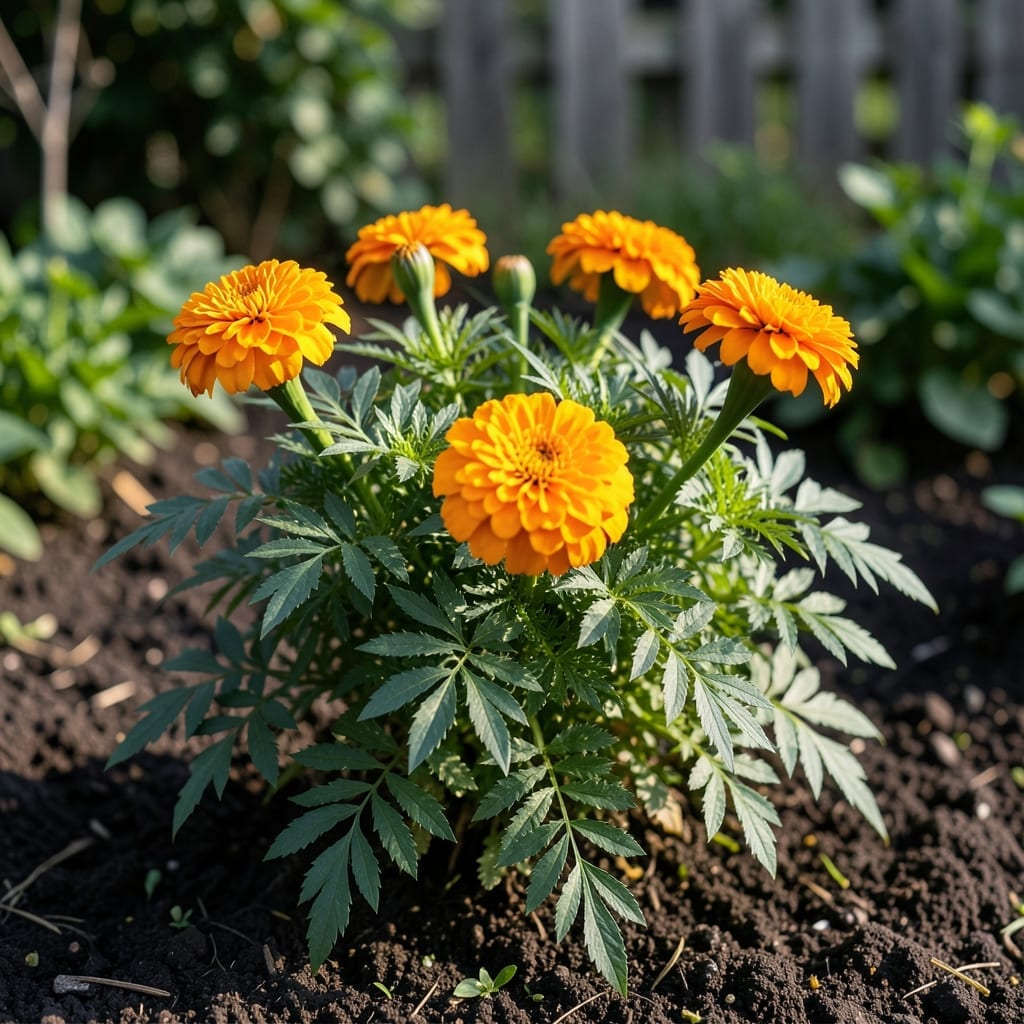
Marigolds brighten any garden with their vibrant blooms, but getting their light requirements right is the key to lush, healthy plants.
Whether you’re a beginner or seasoned gardener, understanding how much sunlight 🌼 Marigolds need can make or break your growing success.
I’ll show you exactly how to provide the ideal conditions for these cheerful flowers to thrive, from full sun to partial shade options.

Marigolds thrive when they get 6-8 hours of direct sunlight daily. These cheerful flowers are sun-worshippers, and full sun exposure brings out their vibrant colors and robust growth.
While they can tolerate partial shade, especially in hotter climates, too little light leads to leggy stems and fewer blooms. I’ve seen the difference firsthand in my garden beds.
| Requirement | Specification |
| Ideal Sunlight | 6-8 hours daily |
| Light Type | Direct sun |
| Shade Tolerance | Partial shade (afternoon) |
| Best Window | South-facing |
In my experience, morning sun is particularly beneficial for marigolds. It dries the dew quickly, reducing the risk of fungal diseases that can plague these plants.
If you’re growing marigolds in containers, place them where they’ll get maximum sunlight. A sunny patio or balcony works perfectly for these adaptable flowers.
For gardeners in hot climates, a bit of afternoon shade can prevent heat stress. I’ve found that marigolds in my southern garden do well with shade from 2-4 PM.
Remember that light intensity affects flowering. Marigolds in full sun typically produce more blooms than those in partial shade, and the flowers are often more vibrant.
If your garden has limited sunlight, choose French marigolds. They’re more shade-tolerant than African varieties and still put on a good show with 4-6 hours of sun.
For the best results, rotate your pots occasionally. This ensures all sides of the plant receive equal light exposure, leading to more uniform growth and blooming.
When marigolds don’t receive enough light, they’ll show clear warning signs. The most common is leggy growth, where stems stretch thin and tall as they search for more sunlight.
Another red flag is reduced flowering. If your marigolds are producing fewer blooms than expected, or the flowers appear smaller and paler, they’re likely light-starved.
Leggy stems, pale leaves, and poor flowering signal your marigolds need more sunlight immediately.
You might also notice yellowing leaves, particularly on the lower part of the plant. This happens because the plant is redirecting its limited energy to new growth at the top.
In my garden, I’ve found that marigolds in shady spots often have weaker stems that flop over easily. They just don’t have the strength to support their own weight without adequate light.
Slow growth is another indicator. If your marigolds seem stunted compared to others in sunnier locations, they’re probably not getting enough light to fuel their development.
To fix these issues, relocate your plants to a sunnier spot or trim back nearby foliage that might be casting shade. Even moving them just a few feet can make a significant difference.
Remember that container-grown marigolds are easier to move. I keep a few in pots so I can adjust their position as the sun’s angle changes throughout the season.