
Beautiful Plants For Your Interior
Beautiful Plants For Your Interior
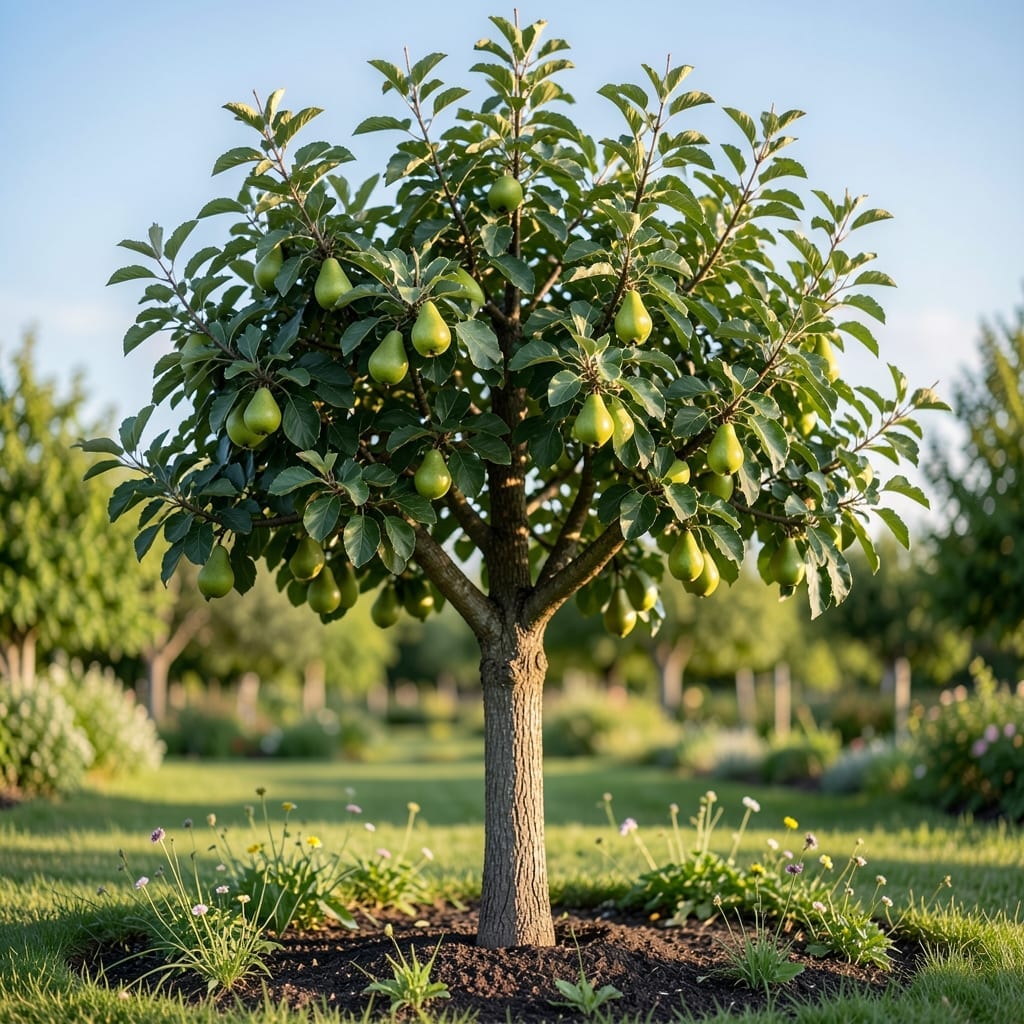
Ever planted a Pear Tree and wondered how long it might thrive in your yard? These beautiful additions to any landscape can bring joy for decades, but their actual lifespan varies more than you might think.
It’s not just about luck – the variety you choose, how you care for it, and even your local climate play huge roles. That Pear Tree could be your garden’s centerpiece for a lifetime if you know what affects its longevity.
Let me walk you through what determines how long these trees stick around. You’ll discover the secrets to keeping yours healthy and productive for as long as possible.
When I first planted pear trees in my garden, I was amazed to learn that their lifespan can vary dramatically. The type of pear tree you choose plays a huge role in how long it will thrive in your landscape.
European pear trees, like the classic Bartlett, typically live 50-75 years with proper care. Their Asian cousins, such as the crisp Shinseiki, often have slightly shorter lifespans of 40-60 years. 🌳
| Variety | Average Lifespan | Notes |
|---|---|---|
| European | 50-75 years | Bartlett, Anjou |
| Asian | 40-60 years | Shinseiki, Hosui |
| Dwarf | 30-50 years | Smaller size, easier care |
| Semi-Dwarf | 40-60 years | Balanced size and yield |
The size of the tree also impacts its longevity. I’ve found that dwarf varieties, while convenient for small spaces, generally have shorter lifespans of 30-50 years. Their smaller root systems make them more vulnerable to environmental stresses.
Semi-dwarf pear trees offer a nice middle ground, typically living 40-60 years. They combine manageable size with good productivity and resilience. In my experience, they’re often the best choice for home gardeners.
Standard pear trees, which can grow 20-40 feet tall, tend to have the longest lifespans. With proper care, these majestic trees can live 75 years or more. I’ve seen some heritage orchards with pear trees approaching a century old!
It’s fascinating how rootstock choices can affect longevity too. Trees grafted onto quince rootstock often have shorter lifespans but better disease resistance. Those on pear rootstock typically live longer but may be more susceptible to certain pests.
In my garden, I’ve learned that climate adaptation is key. Varieties naturally suited to your USDA hardiness zone will always outlive those pushed beyond their comfort range. For most gardeners, zones 5-9 offer the best conditions for long-lived pear trees.
Remember that these are average lifespans. With exceptional care, proper pruning, and vigilant pest control, it’s possible to extend your pear tree’s life well beyond these ranges. I’ve seen well-maintained specimens produce fruit for over 100 years!
Choosing the right variety for your space and climate is the first step toward enjoying decades of harvests. Whether you opt for a compact dwarf or a stately standard, proper selection sets the foundation for a long, productive life. 🌿
In my experience, the lifespan of a pear tree isn’t just about genetics. While variety sets the baseline, it’s the daily care and environmental conditions that truly determine how long your tree will thrive.
I’ve seen firsthand how proper soil preparation can make a difference. Pear trees need well-draining loam with a pH of 6.0-7.0 to establish strong root systems that support long-term health. 🌱
The climate in your area plays a huge role too. Pear trees in zones 5-9 typically live longest. I’ve noticed trees in milder climates often outlive those in areas with extreme temperature swings.
Sunlight exposure is another critical factor. Your pear tree needs 6-8 hours of direct sunlight daily. I’ve found that trees in shady locations not only produce less fruit but also have shorter lifespans overall. ☀️
Don’t underestimate the impact of proper planting. I always dig a hole twice as wide as the root ball and make sure the graft union stays 2-3 inches above soil. This prevents root rot and encourages strong growth.
Finally, regular feeding makes a difference. I apply a balanced 10-10-10 fertilizer in early spring, then light feedings every 4-6 weeks during growing season. This steady nutrition helps maintain vigor as the tree ages.
By focusing on these key factors, you can help your pear tree not just survive but thrive for decades. It’s amazing how small, consistent efforts add up to a long, productive life for these beautiful trees. 🌳