
Beautiful Plants For Your Interior
Beautiful Plants For Your Interior
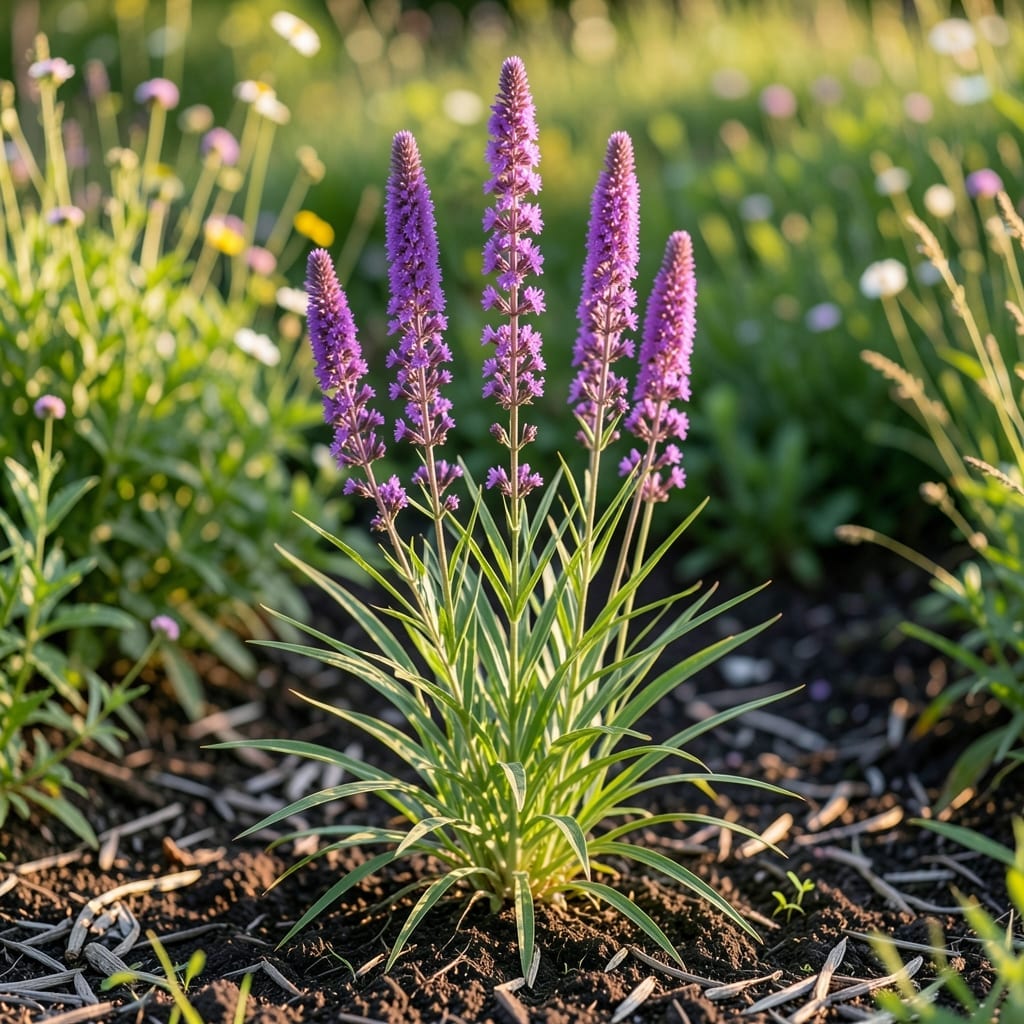
There’s something magical about watching Liatris 🌸 transform your garden with its tall purple spikes. But if you’ve ever wondered when exactly those vibrant blooms will appear, you’re not alone.
As a gardener, I know timing is everything. The flowering period for Liatris typically falls between July and September, though this can shift based on your climate and care.
What if you could predict and even extend that blooming window? Understanding the factors at play lets you enjoy those stunning flowers for as long as possible.
Discover how to make the most of your Liatris season with a few simple, effective strategies. Let’s get started.
If you’re growing Liatris in your garden, timing your blooms is key. Most varieties flower in mid to late summer, with spikes of purple, pink, or white adding vertical drama to borders and pollinator gardens.
I’ve found that Liatris spicata, the most common type, typically blooms from July through September. However, regional climate and planting conditions can shift this window by a few weeks.
| Variety | Flowering Time | USDA Zones |
|---|---|---|
| Liatris spicata | July–September | 3–9 |
| Liatris pycnostachya | June–August | 4–9 |
| Liatris ligulistylis | August–September | 3–8 |
| Liatris aspera | July–October | 5–9 |
In cooler climates like Zone 3, expect blooms closer to late summer. Warmer areas in Zone 9 may see flowers as early as June, especially with well-established corms.
For Liatris pycnostachya, the blooming starts a bit earlier—often in June. This makes it a great choice if you want color before the peak of summer heat arrives.
If you’re in a region with hot summers, Liatris ligulistylis thrives in August and September. It’s also a magnet for butterflies and bees, so it’s perfect for pollinator gardens.
I always recommend planting in full sun for the best results. Liatris needs 6+ hours of sunlight daily to produce strong, upright spikes and vibrant blooms.
Soil drainage is another critical factor. Poorly drained soil can lead to rotten corms and delayed or absent flowering. Amend heavy clay with compost or sand to improve conditions.
For gardeners in Zone 5–7, Liatris aspera offers an extended season, often blooming from July through October. Its tall stature makes it ideal for the back of borders.
Remember, first-year plants may focus on root establishment and produce fewer blooms. By the second year, you’ll see the full flowering potential of your Liatris.
If you want continuous color, consider planting multiple varieties with staggered bloom times. This way, you’ll enjoy Liatris flowers from early summer to fall.
I love how Liatris spicata brings those tall purple spikes to my summer garden. To keep them blooming longer, I focus on consistent care and the right growing conditions. The key is proactive maintenance rather than just waiting for nature to take its course.
One of my top strategies is regular deadheading. By removing spent blooms, I encourage the plant to produce new flower spikes rather than setting seed. This simple step can add weeks of color to your garden display.
I’ve found that proper watering makes a huge difference. Liatris plants prefer well-drained soil, so I water at the base to keep foliage dry. This prevents disease while ensuring the roots get consistent moisture without becoming waterlogged.
Another trick I use is companion planting. Pairing Liatris with early summer bloomers like peonies creates a successional display that keeps my garden colorful. The contrasting shapes and heights also make the flower spikes stand out even more.
Don’t overlook soil conditions. Liatris thrives in lean to average soil, so I avoid over-fertilizing. A light feeding in early summer with a balanced fertilizer gives just enough nutrients to support extended blooming without promoting excessive foliage.
Finally, I always plant in groups of 3-5 for maximum impact. This creates a dramatic visual effect and ensures that even as individual stems finish blooming, others are just beginning. With these simple techniques, I enjoy my Liatris flowers from mid-summer through fall 🌿