
Beautiful Plants For Your Interior
Beautiful Plants For Your Interior
Leyland cypress trees need proper pruning to stay healthy and maintain their iconic shape. These ten essential steps will help you trim your trees like a pro, promoting lush growth and preventing common issues.
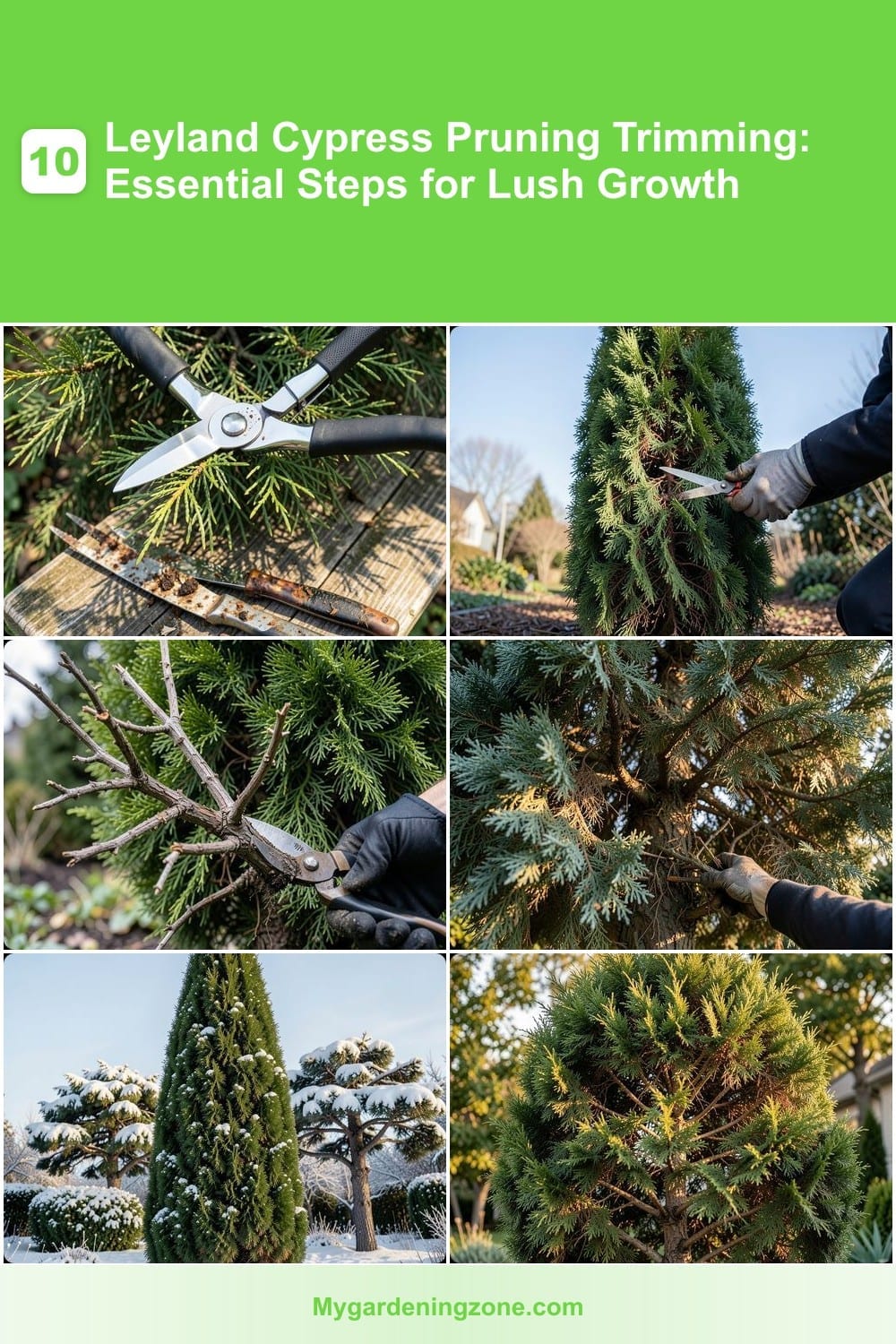
Dull or dirty tools can turn a simple pruning job into a nightmare for your Leyland cypress. Clean, sharp blades ensure smooth cuts that heal quickly, reducing the risk of disease entering through jagged wounds.
For precision cuts on delicate branches, bypass pruners are the gold standard—they slice cleanly without crushing stems. Always disinfect tools between uses with rubbing alcohol to prevent spreading pathogens between plants.
This small investment in quality tools saves you time and keeps your trees healthier in the long run. 🌿
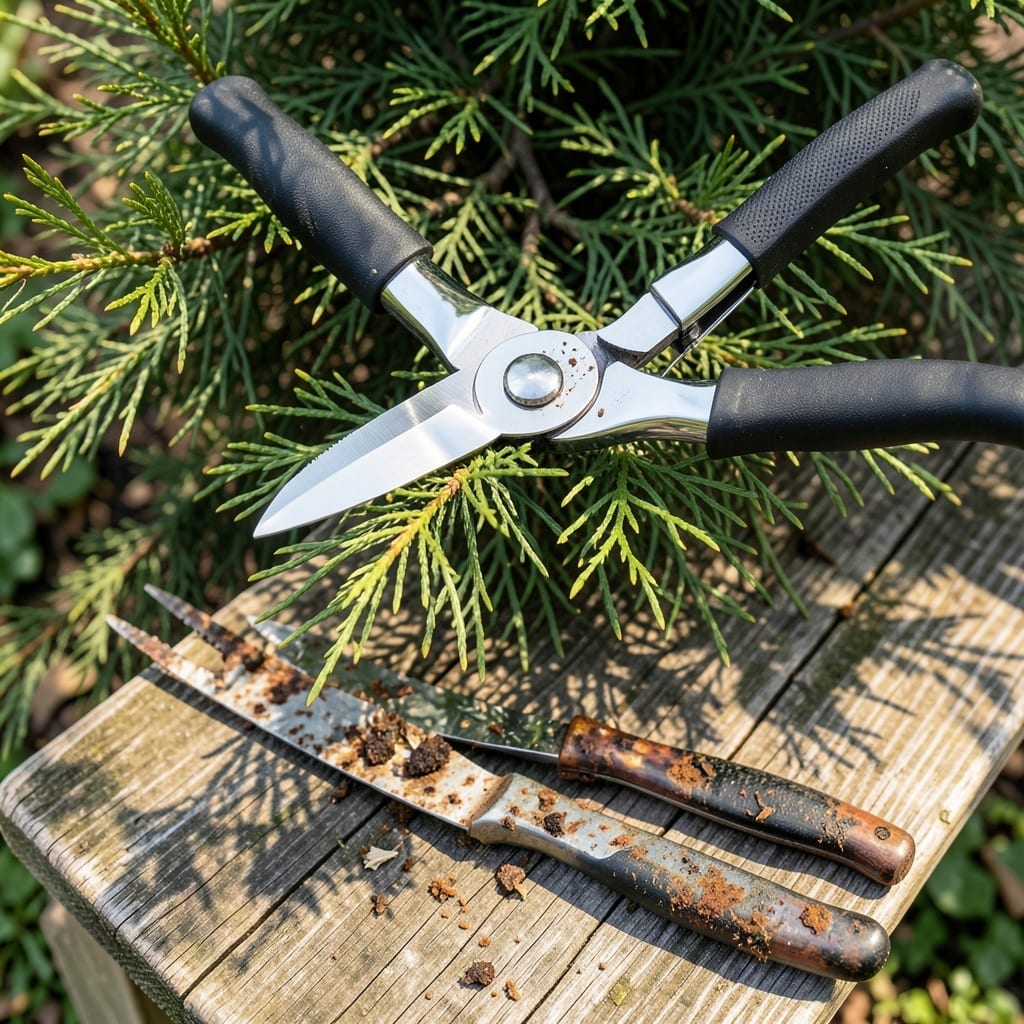
Timing your pruning right can make all the difference for your Leyland cypress. Cutting back in late winter or early spring gives your tree a head start, as it stimulates fresh, healthy growth just before the active growing season kicks in.
This window allows wounds to heal quickly while minimizing stress on the tree. Avoid fall pruning, as new growth may not harden off before winter, leaving the tree vulnerable to cold damage.
Gardeners who prune at this ideal time notice fuller, greener foliage and stronger overall structure. 🌱
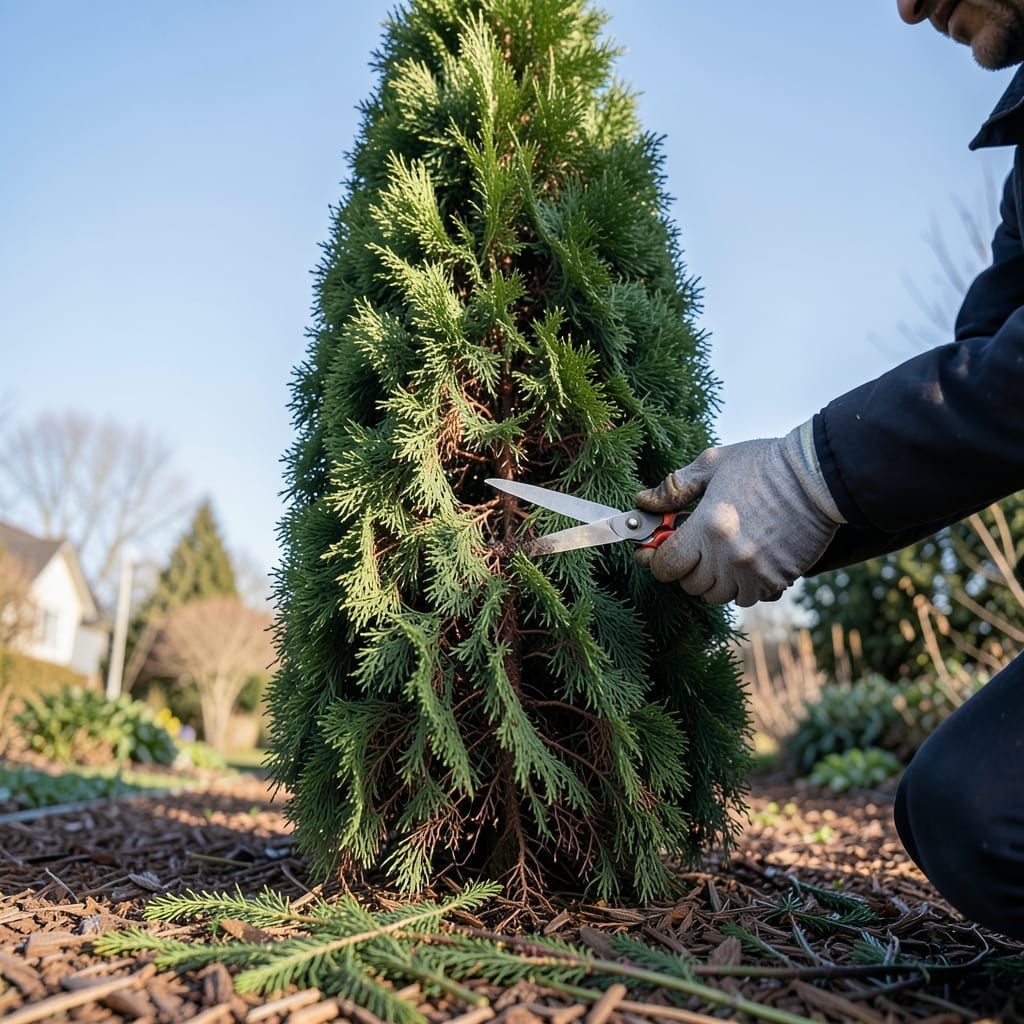
Dead or diseased branches on your Leyland cypress are more than just an eyesore—they’re a ticking time bomb for the rest of your tree. Removing them first stops pathogens from spreading to healthy growth.
Focus on brown or brittle branches, as these are clear signs of trouble. Cut at the base where the branch meets the trunk or main stem, using clean pruners to avoid further contamination. This also opens up the canopy for better air circulation.
This simple step keeps your tree vigorous and reduces the risk of widespread infection. 🌿
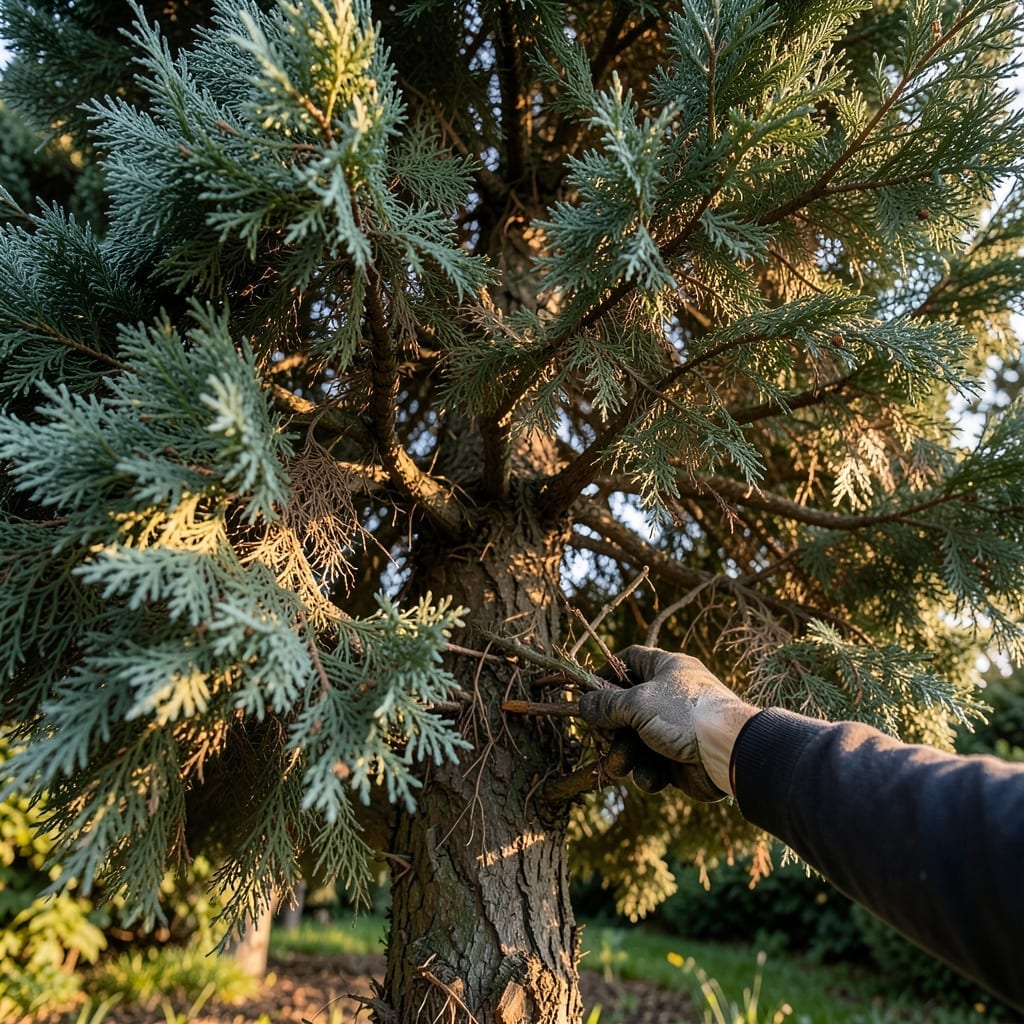
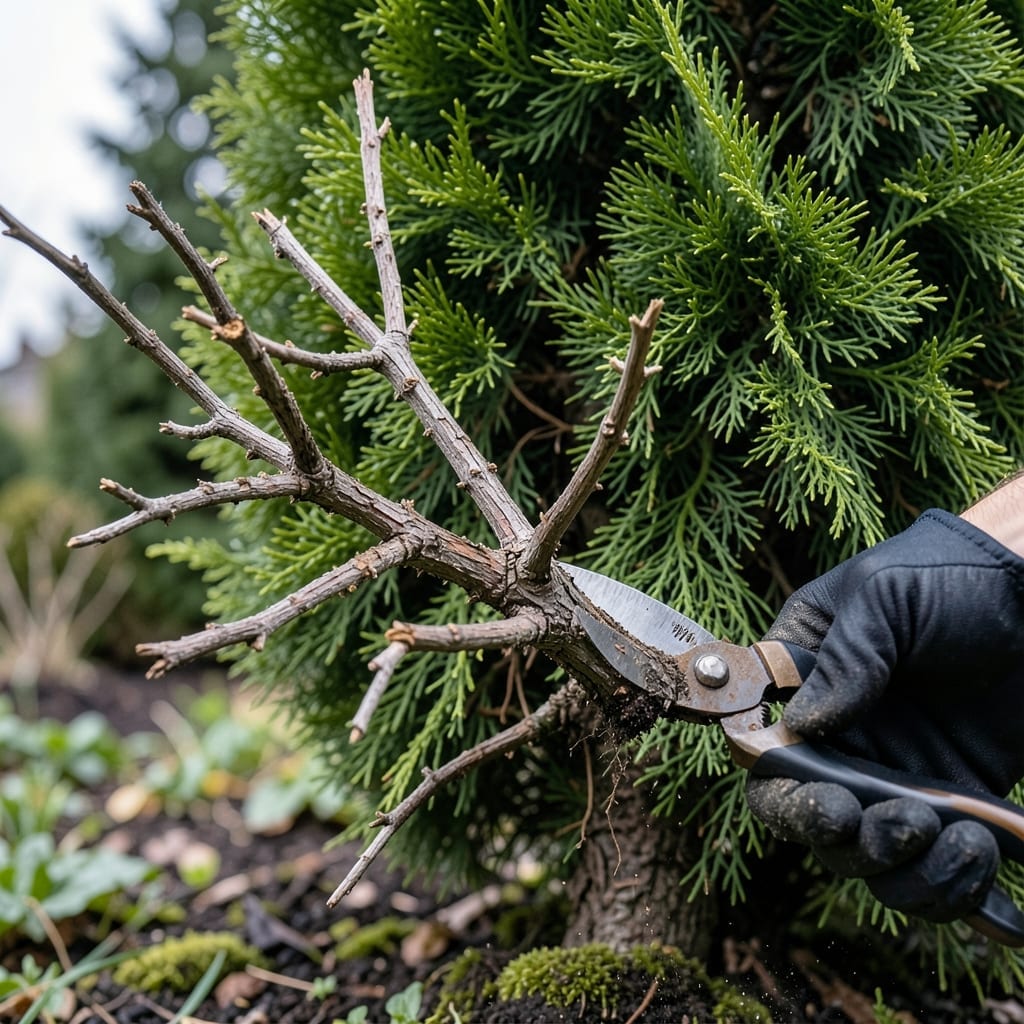
Overcrowded branches in your Leyland cypress create a dense, shaded interior that invites fungal problems. Thinning these areas opens up the canopy, letting sunlight and fresh air reach the heart of the tree.
Focus on removing select inner branches at their base, prioritizing those that cross or rub against others. This maintains the tree’s natural shape while reducing moisture buildup that can lead to disease.
Home gardeners will find this step especially rewarding, as it prevents future issues while keeping the tree looking full and healthy. 🌿
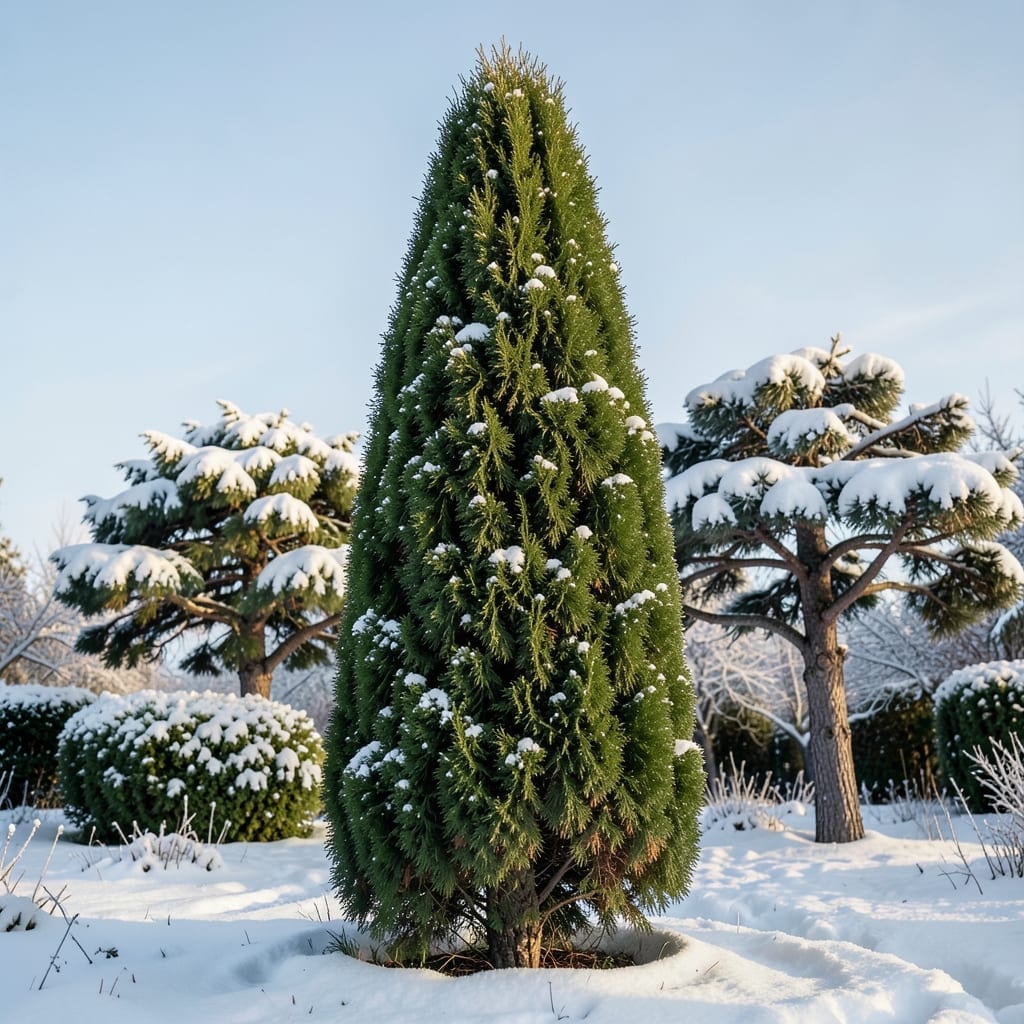
A tapered outer canopy isn’t just about looks—it’s your Leyland cypress’s best defense against winter’s heaviest snowfalls. Flat tops act like collection plates, inviting snow to pile up and weigh branches down until they snap.
Shape the tree so the outer edges slope gently inward, allowing snow to slide off rather than accumulate. This uniform shape also improves air circulation and sunlight exposure, keeping the foliage dense and healthy from top to bottom.
Gardeners in snowy climates will see the biggest benefit, as properly shaped trees suffer far less winter damage. 🌿
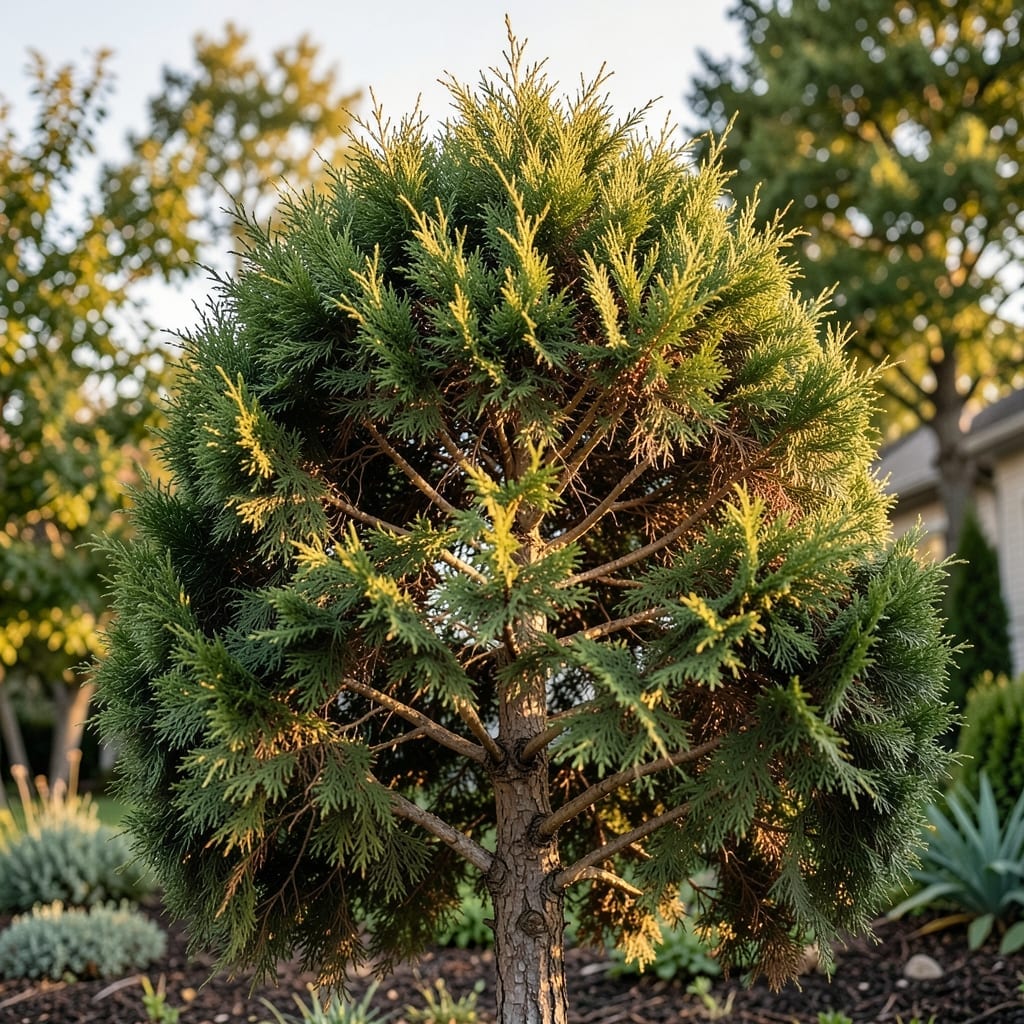
Cutting too much from the top of your Leyland cypress can shock the tree and stall its growth. Aggressive pruning removes the tree’s primary food-producing foliage, leaving it struggling to recover.
Stick to the one-third rule: never remove more than 33% of the tree’s height in a single session. This maintains healthy growth patterns while allowing the tree to direct energy toward new shoots and foliage.
Home gardeners who follow this guideline enjoy consistent, vigorous growth and a tree that stays lush and full. 🌿
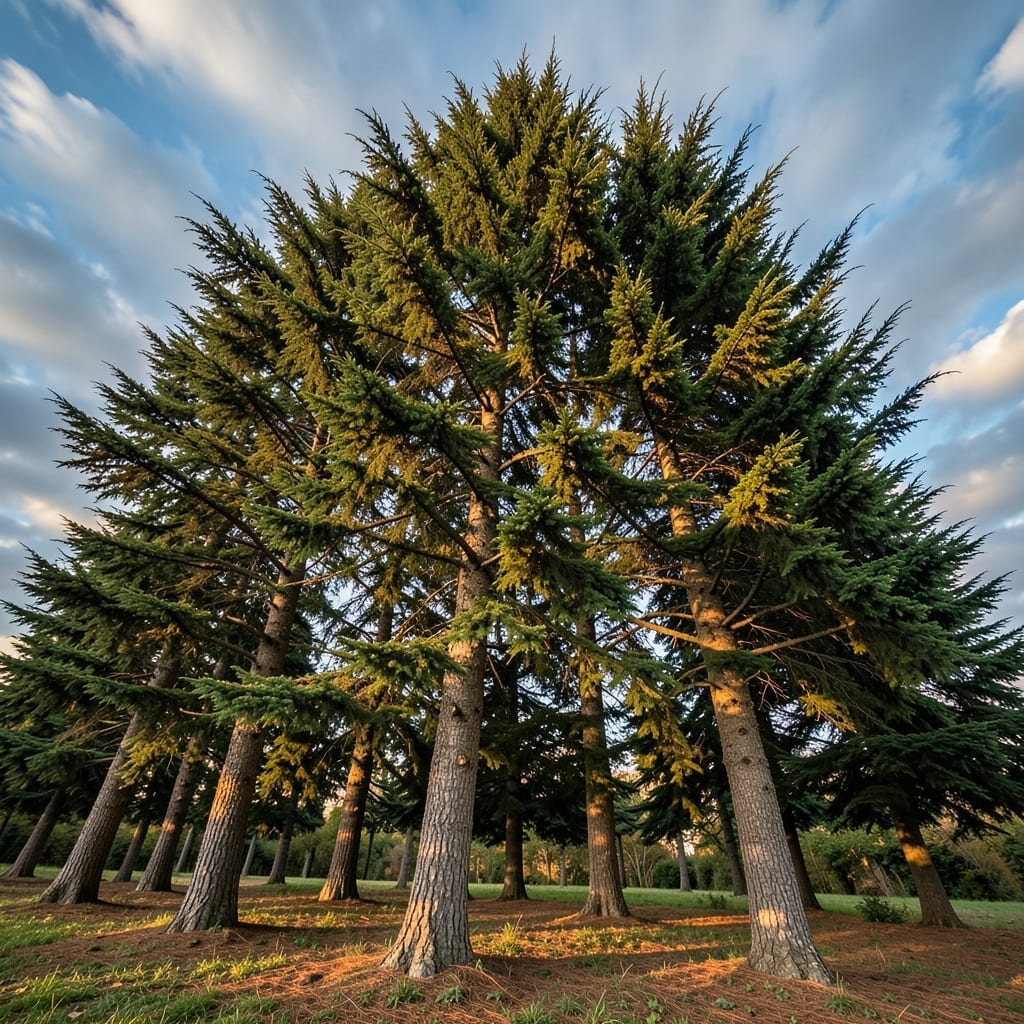
Tall Leyland cypress trees in windy areas act like sails, catching gusts that can topple them. Strategic thinning reduces this wind sail effect by allowing air to pass through the branches rather than pushing against them.
Focus on removing select inner branches while maintaining the outer shape. This creates an open structure that’s both wind-resistant and visually appealing. Always prune during dry weather to minimize stress on the tree.
Exposed landscapes benefit most from this technique, as it prevents uprooting while keeping your trees standing strong. 🌿
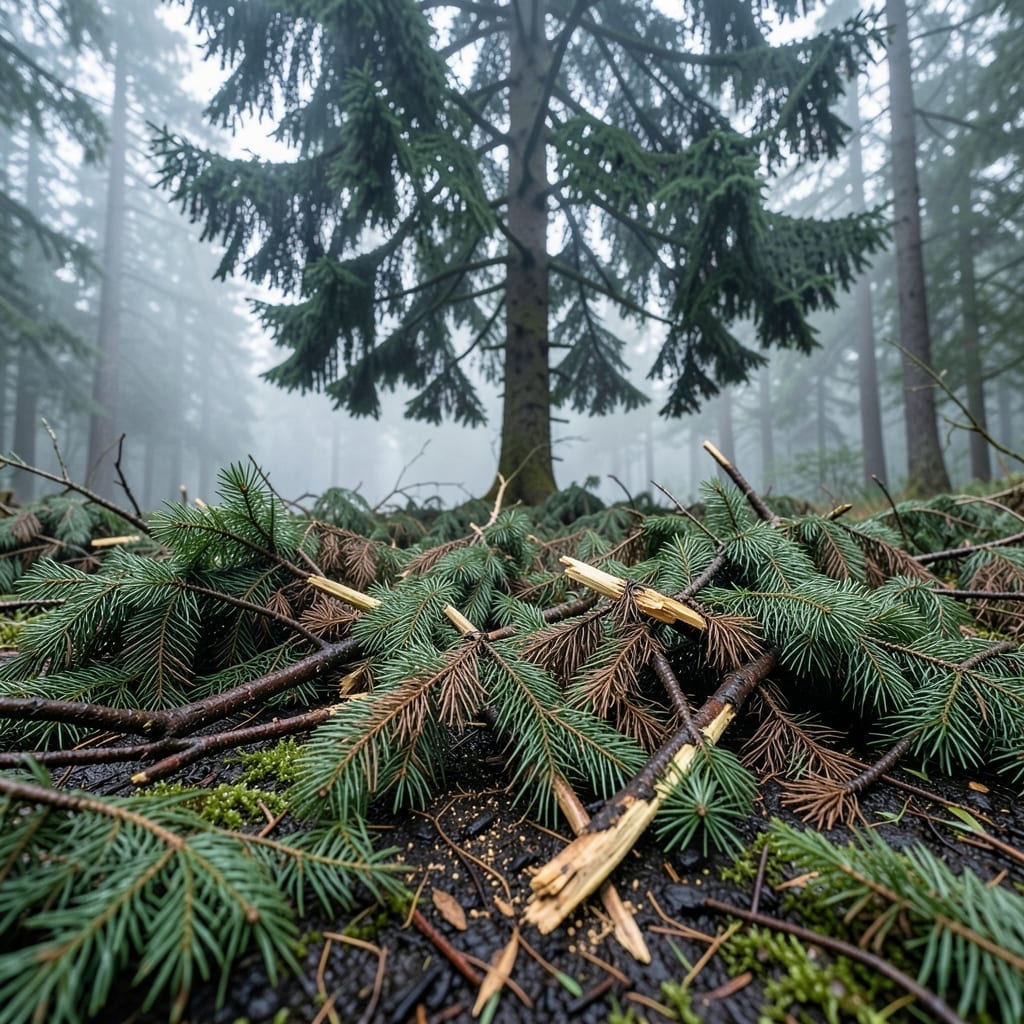
Leaving pruning debris around your Leyland cypress is like rolling out a welcome mat for pests and diseases. Fallen branches and clippings create the perfect damp, shaded environment where fungi and insects thrive.
Always gather all pruning debris immediately after trimming. Compost healthy clippings to recycle nutrients, but bag and discard any diseased material to prevent contamination. This simple step keeps your garden clean and your trees protected.
Gardeners who skip cleanup often face recurring pest problems and reduced tree vigor. 🌿
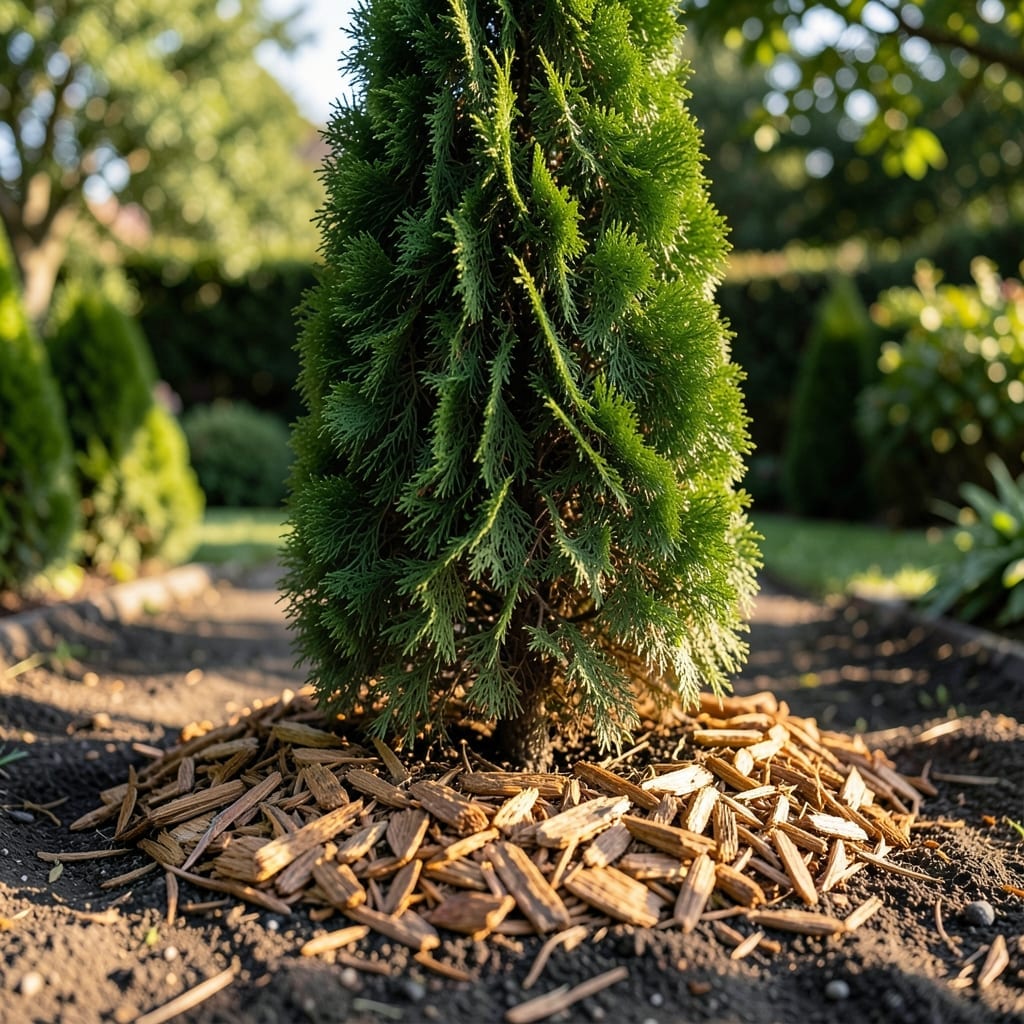
Your Leyland cypress just endured pruning stress—give its roots a helping hand with a fresh layer of mulch. This simple step locks in moisture and shields the soil from temperature swings that can shock the tree after trimming.
Spread a 2-3 inch layer of organic mulch like wood chips around the base, keeping it a few inches away from the trunk to prevent rot. The mulch will also suppress weeds that compete for water and nutrients during recovery.
This post-pruning care ensures your tree bounces back faster, with stronger roots and healthier new growth. 🌿
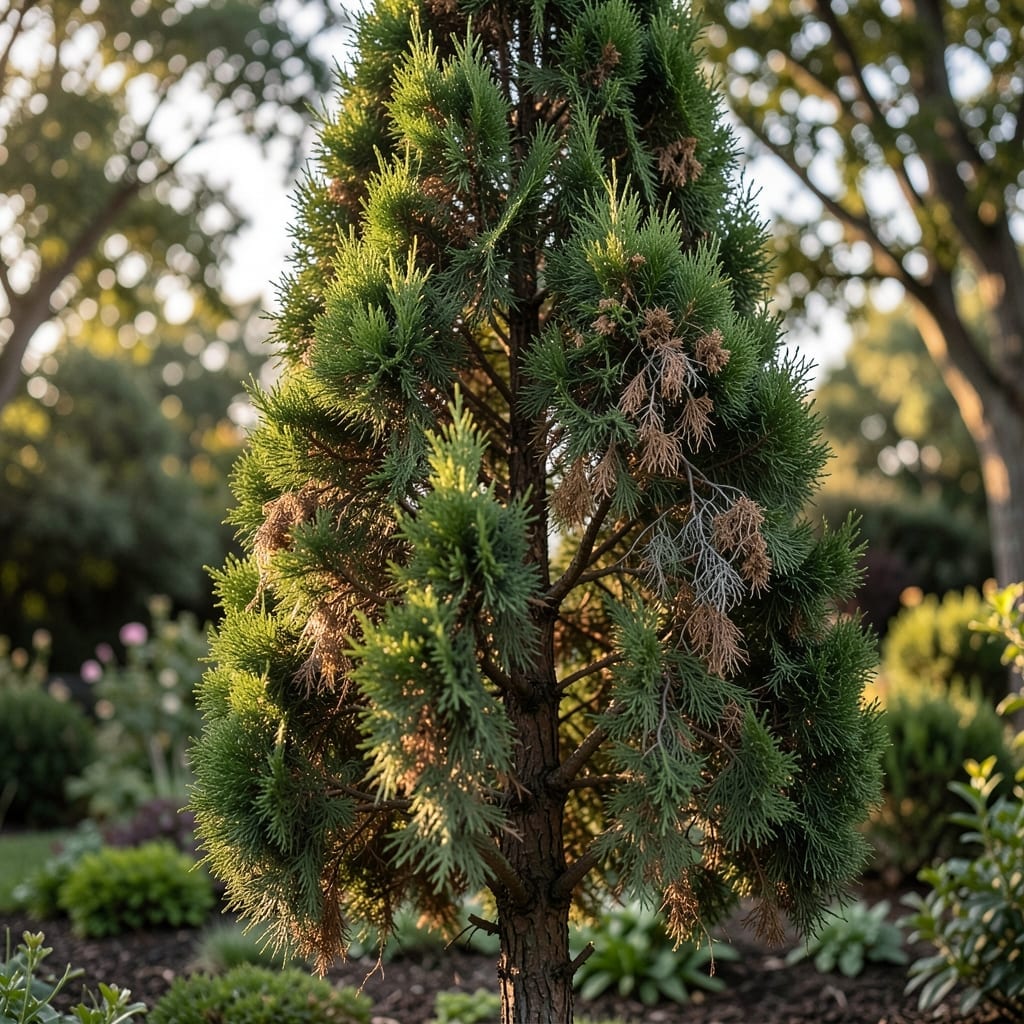
Your Leyland cypress tells its own story after pruning—pay attention to how it responds. Uneven regrowth or dieback patches signal where your cuts may have been too aggressive or where the tree is struggling.
Check the tree weekly for the first month, noting which areas bounce back quickly and which lag behind. This feedback helps you fine-tune your approach, ensuring future sessions promote balanced, healthy growth rather than stress.
Attentive gardeners use these observations to perfect their technique, leading to a fuller, more resilient tree over time. 🌿