
Beautiful Plants For Your Interior
Beautiful Plants For Your Interior
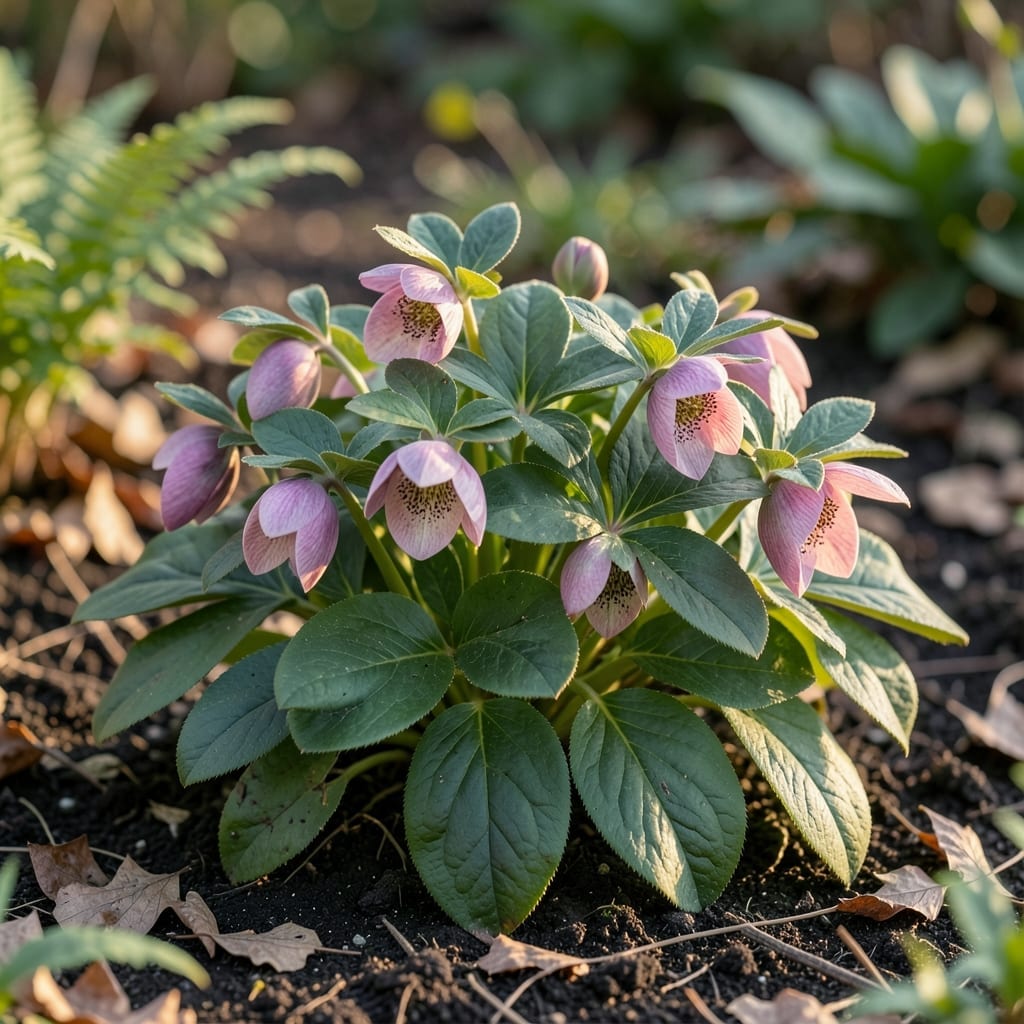
There’s something magical about watching Lenten Rose 🌸 bloom when most plants are still sleeping. These tough perennials bring color to your garden during the coldest months, but only if you plant them in the right spot.
I’ve seen too many gardeners struggle with wilted or stunted plants simply because they missed this most important detail. The good news? Getting it right is easier than you think.
Whether you’re in the frosty north or the warmer south, knowing your zone makes all the difference. These beauties thrive across a wide range, but there are limits to their resilience.
Let me show you exactly where and how to plant them for year-after-year success. Your winter garden will thank you for it.
If you’re wondering where lenten roses thrive best, the answer lies in USDA zones 4-9. These hardy perennials handle cold winters and mild summers with ease, making them versatile for many regions.
I’ve found that zone 4-5 gardeners enjoy early blooms, while zone 8-9 growers see longer flowering periods. The key is matching your local climate to these zone guidelines. 🌿
| Requirement | Specification |
|---|---|
| USDA Zones | 4-9 |
| Min Temperature | -30°F (-34°C) |
| Ideal Soil | Well-draining, rich |
| Light Needs | Partial shade |
In zone 4, lenten roses survive harsh winters with proper mulch protection. I recommend adding a 2-3 inch layer of organic mulch around the base in late fall.
Zone 6-7 offers ideal conditions with moderate temperatures and consistent moisture. Here, lenten roses often bloom from late winter through early spring.
For zone 8-9 gardeners, afternoon shade becomes crucial. These warmer zones can stress the plants without dappled sunlight or east-facing exposure.
I’ve noticed that soil drainage matters more than zone numbers. Even in zone 5, poor drainage can kill lenten roses faster than cold temperatures ever could.
If you’re in a borderline zone, like zone 3 or zone 10, consider container growing. This lets you move plants to protected areas during extreme weather.
Remember that microclimates can create pockets where lenten roses thrive outside their typical zone range. A south-facing wall might add just enough warmth for success.
For best results, I always test my soil pH before planting. Lenten roses prefer slightly alkaline to neutral soil (pH 7.0-7.5) for optimal growth.
Choosing the right lenten rose for your hardiness zone ensures vibrant blooms and healthy growth. I always recommend matching Helleborus cultivars to your local climate for best results.
In colder zones 4-5, opt for Helleborus niger or Christmas rose, which tolerate freezing temperatures down to -20°F. These are my go-to picks for northern gardens.
| Variety | Best Zones | Key Feature |
|---|---|---|
| Helleborus niger | 4-5 | Cold-hardy, white blooms |
| Helleborus orientalis | 6-8 | Purple-pink flowers, adaptable |
| Helleborus argutifolius | 8-9 | Heat-tolerant, green flowers |
For zones 6-8, Helleborus orientalis thrives with its colorful, nodding flowers. It’s a favorite for its easy care and long bloom season from late winter to spring.
In warmer zones 8-9, Helleborus argutifolius handles heat better than most. Its glossy, evergreen leaves and pale green flowers add year-round interest to southern gardens.
Always check your local microclimates too. A shady spot in zone 9 might need extra moisture retention to help lenten roses thrive. I’ve seen them struggle in full sun without it.
Don’t forget soil drainage—it’s critical in all zones. Amend heavy clay with compost to prevent root rot, especially in warmer, wetter regions 🌿