
Beautiful Plants For Your Interior
Beautiful Plants For Your Interior
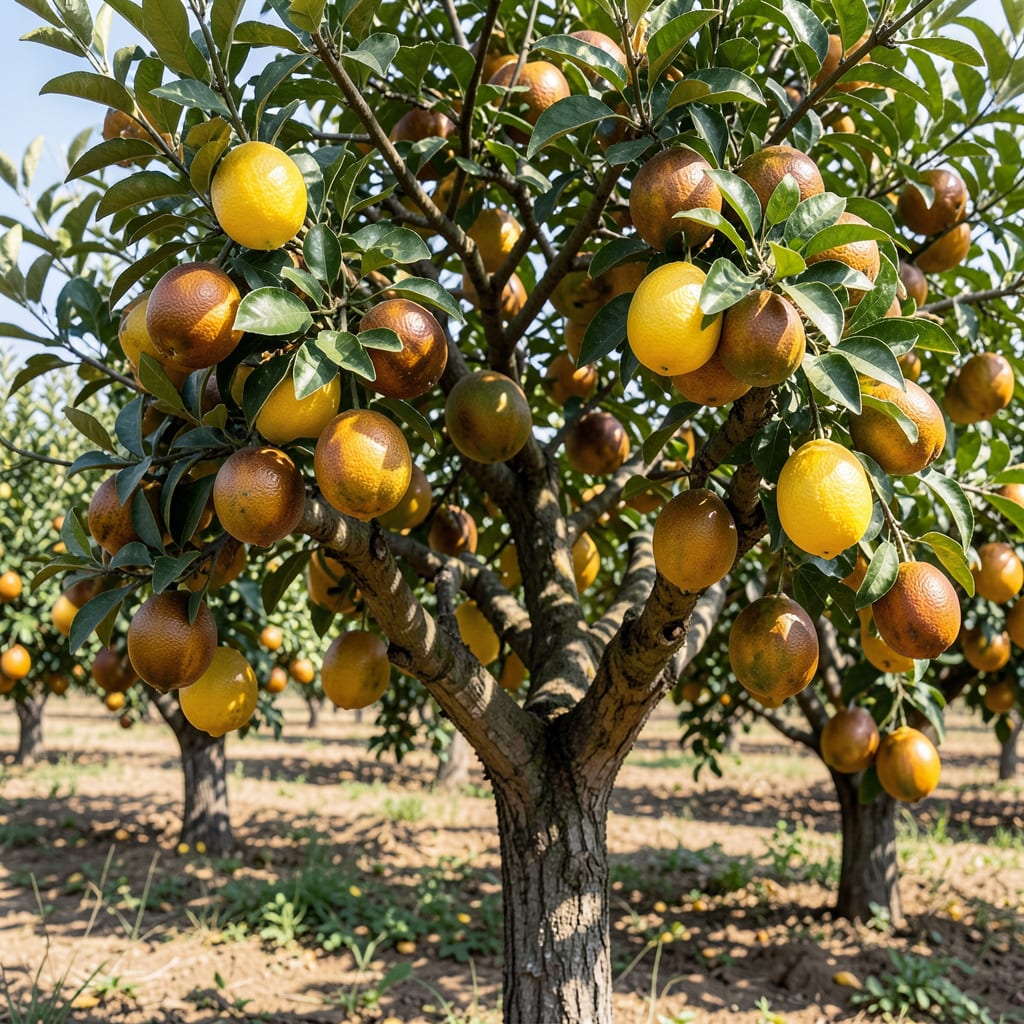
Nothing deflates a gardener faster than watching perfect lemons turn brown before harvest. I’ve lost entire crops to this, and the causes always trace back to just a few fixable issues.
Environmental stress hits citrus hard—too much heat, frost damage, or inconsistent watering can trigger that ugly browning overnight. Pests and disease show up as secondary problems, but the real culprit is usually your tree’s living conditions.
Once you identify the stressor, recovery is often surprising fast. I’ve saved trees with simple adjustments to watering schedules, shade, or soil nutrition. The fruit won’t turn yellow again, but next season’s crop will.
Prevention is simpler than treatment. Consistency in care beats any rescue attempt. Here’s what actually works.
Lemons turning brown while still on the tree is often a sign of stress or disease. Below are the most common causes, explained with actionable insights.
Intense sunlight and high temperatures can scorch lemon peels, leading to brown, leathery patches. This is especially common in exposed fruit during heatwaves. Lemons have a natural waxy layer, but prolonged UV exposure breaks it down, causing discoloration.
Fungi like Alternaria or Phytophthora thrive in wet, humid conditions. They cause dark brown or black spots on the rind, often spreading from the stem end. Poor air circulation and overhead watering worsen the issue.
Both overwatering and underwatering stress the tree, leading to brown lemons. Too much water suffocates roots, reducing nutrient uptake, while drought causes the fruit to dry out. Inconsistent moisture levels are a frequent culprit.
A lack of calcium, magnesium, or potassium can cause brown discoloration. For example, blossom-end rot (common in lemons) stems from calcium deficiency, turning the fruit’s base dark and sunken.
Pests like citrus leafminers or scale insects weaken the tree, making lemons more susceptible to browning. Their feeding disrupts sap flow, leading to localized discoloration or premature fruit drop.
When your lemons start turning brown on the tree, quick and targeted action can save your harvest. Below are practical solutions mapped to common causes, along with prevention tips to keep your tree thriving.
If excessive sun exposure is scorching the fruit, erect a shade cloth (30-50% density) over the tree during peak afternoon hours. For smaller trees, use burlap wraps or lightweight fabric to shield individual clusters. Prevention tip: 💡 Plant new trees in spots with dappled sunlight or where they’ll get afternoon shade naturally.
Inconsistent watering—too much or too little—can cause browning. Deep water your lemon tree 1-2 times per week, ensuring the soil stays moist but not soggy. Use a moisture meter to check soil depth (aim for 6-12 inches down). Prevention tip: 🌧️ Apply a 2-3 inch layer of mulch around the base to retain moisture and regulate soil temperature.
For brown rot or citrus canker, remove affected fruit and branches immediately to prevent spread. Apply a copper-based fungicide or neem oil spray as directed. Always sterilize pruning tools with rubbing alcohol between cuts. Prevention tip: ✨ Thin out dense foliage to improve airflow and reduce humidity around the fruit.
Pests like citrus leafminers or scale insects can damage fruit, leading to browning. Introduce beneficial insects (e.g., ladybugs) or spray with horticultural oil for minor infestations. For severe cases, use an organic pesticide labeled for citrus. Prevention tip: 🎯 Inspect leaves and fruit weekly to catch pests early.
Yellowing or browning lemons may signal a lack of nitrogen, zinc, or magnesium. Use a balanced citrus fertilizer (e.g., 6-6-6 NPK) every 4-6 weeks during growing season. For quick fixes, apply chelated zinc or Epsom salt (magnesium sulfate) as a foliar spray. Prevention tip: 📊 Test your soil annually to tailor nutrient amendments.
Yes, if the browning is only on the peel and the flesh looks normal. However, discard any with soft spots, mold, or an off smell.
Use 30-50% shade cloth during peak sun or wrap fruit with burlap. Plant new trees where they get afternoon shade naturally.
Deep water 1-2 times weekly, ensuring 6-12 inches of soil moisture. Add 2-3 inches of mulch to retain water.
Yes, pests like citrus leafminers or scale insects damage fruit. Use horticultural oil or introduce beneficial insects like ladybugs.
