
Beautiful Plants For Your Interior
Beautiful Plants For Your Interior
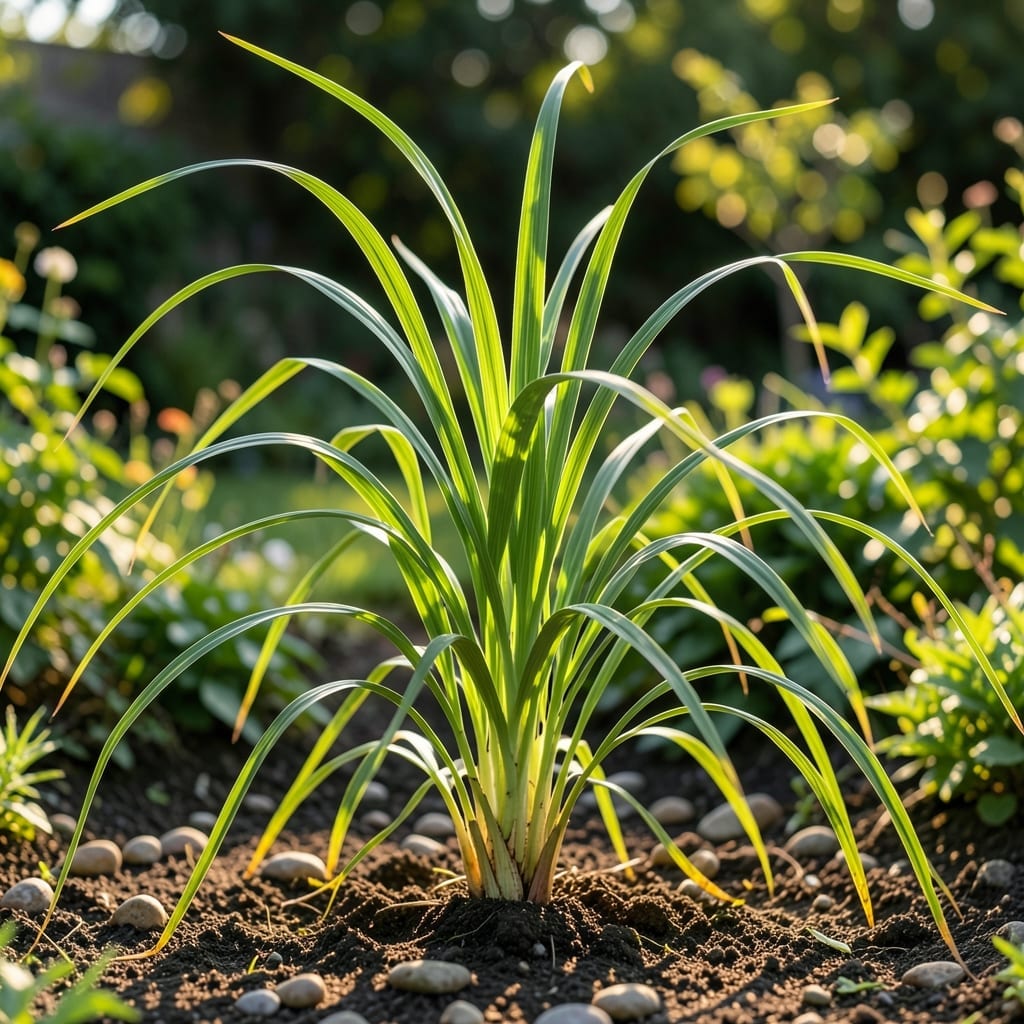
If you’ve ever struggled to grow healthy Lemongrass, the answer might be simpler than you think. Light exposure plays a key role in how well this fragrant herb thrives in your garden.
I learned the hard way that too much or too little sun can make all the difference. 🌿 Lemongrass needs the right balance to reach its full potential, and getting it wrong can leave you with weak, struggling plants.
Whether you’re planting in containers or directly in the ground, understanding its light preferences is the first step to success. The good news? It’s easier to achieve than you might expect.
Discover how to create the perfect conditions for vibrant, productive Lemongrass that will transform your garden and your cooking.
 Best Window Placement
If you’re growing lemongrass, light is one of the most critical factors for its success. This tropical herb thrives with plenty of sunlight, but it also has some flexibility. I’ve found that 6+ hours of direct sun daily brings out the best in its growth and flavor.
However, lemongrass can tolerate partial shade, especially in hotter climates where afternoon sun can be intense. The key is balancing sunlight exposure to avoid stressing the plant while still encouraging robust growth.
| Requirement | Specification |
|---|---|
| Ideal Sunlight | 6+ hours daily |
| Shade Tolerance | Partial shade OK |
| Best Window Direction | South or West |
| Light Type | Direct to Filtered |
In my experience, full sun produces the most aromatic lemongrass with strong, thick stalks. The plant’s essential oils, which give it that signature citrusy scent, are most concentrated when it gets ample sunlight.
That said, if you live in USDA zones 9-11 where temperatures soar, a bit of afternoon shade can prevent leaf scorch. I’ve seen lemongrass wilt under extreme heat without some relief.
For container gardening, place your pots where they’ll get morning sun and some dappled shade later in the day. This mimics the natural conditions in its native Southeast Asian habitats.
Well-draining soil pairs perfectly with good sunlight. Lemongrass hates soggy roots, so ensure your planting spot or container allows excess water to escape easily.
If you notice your lemongrass growing leggy or weak, it’s likely not getting enough light. Move it to a sunnier spot and watch it perk up within a week or two.
For those in cooler climates, maximize sunlight exposure. South-facing windows or a sunny patio are ideal for potted lemongrass. This herb loves warmth, so the more sun you can provide, the better.
Finally, remember that light affects flavor. More sun typically means more intense citrus notes in the stalks. If you’re growing lemongrass for culinary or aromatic uses, prioritize sunlight.
🌿If your lemongrass looks weak or leggy, it might be begging for more sunlight. This tropical herb thrives in bright conditions, and inadequate light can lead to sparse, thin growth.
Watch for yellowing leaves, stunted stalks, or leaves reaching toward light. These are classic signs your plant needs a sunnier spot to regain its vigor.
⚠️ Light Deficiency Alert
Move your lemongrass to a spot with 6+ hours of sun daily. Weak stems and pale leaves mean it’s starving for light!
Another red flag is slow growth. In ideal conditions, lemongrass grows quickly, so if yours is lagging, check its light exposure first.
Leggy plants with long gaps between leaves are stretching for sunlight. This is common in shady areas or indoors without enough light.
To fix it, relocate your plant to a sunnier area or supplement with grow lights. A south-facing window or a spot with afternoon sun can work wonders.
Remember, lemongrass tolerates partial shade but performs best in full sun. Adjusting its location can boost growth and essential oil production. ☀️