
Beautiful Plants For Your Interior
Beautiful Plants For Your Interior
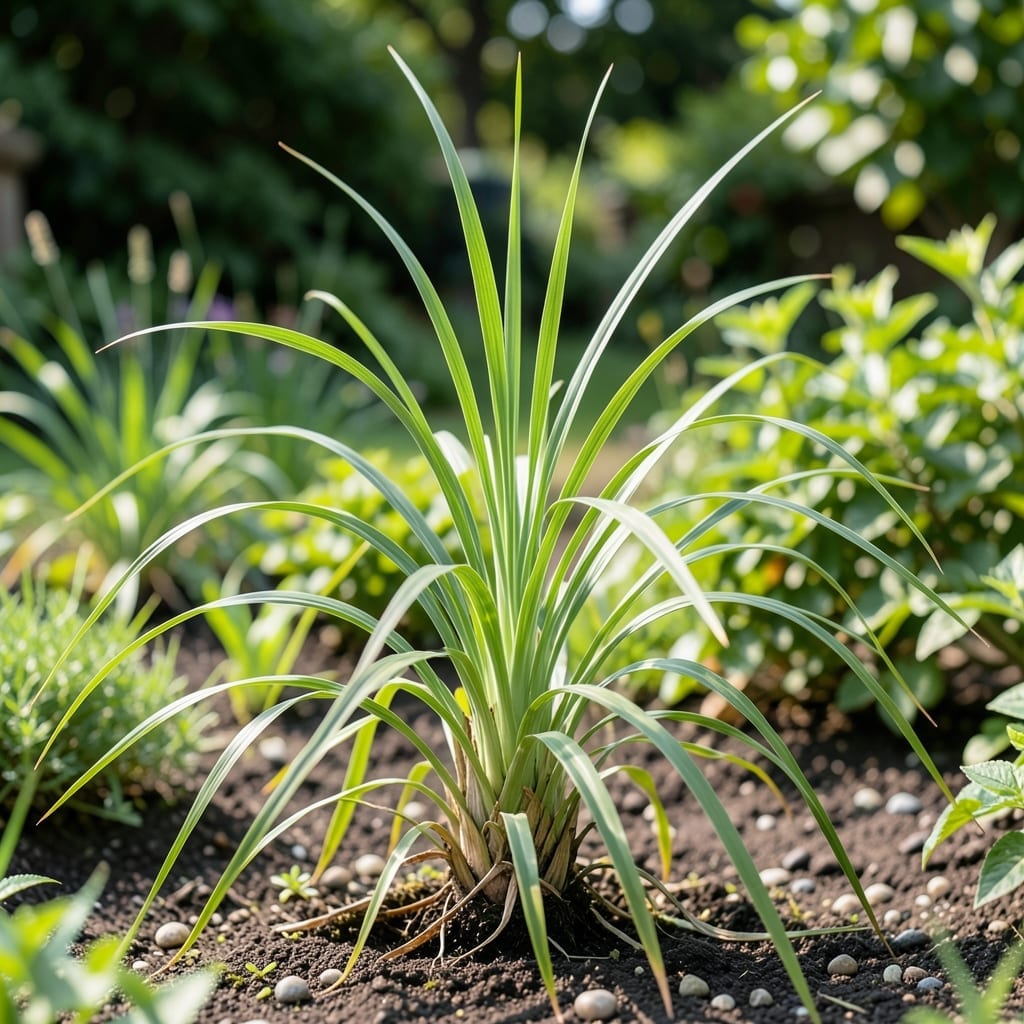
If your 🌿 Lemongrass isn’t thriving, sunlight might be the missing piece. This tropical herb needs just the right amount to grow those fragrant stems we all love.
Too much shade leaves it weak and leggy, while too much direct sun can scorch its leaves. Finding the balance is the key to lush, healthy growth.
I’ve learned through trial and error what works best for Lemongrass in different conditions. Whether you’re growing in zone 9-11 or trying your luck in cooler areas, light matters most.
Discover how to give your Lemongrass the perfect sun exposure for vibrant, flavorful stalks that keep coming back.

I’ve found that lemongrass thrives best with full sun exposure, meaning at least 6-8 hours of direct sunlight daily. This tropical herb loves intense light, which fuels its rapid growth and enhances the citrusy aroma of its stems.
In my experience, morning sun is particularly beneficial as it’s less harsh than the midday heat. However, lemongrass can handle the stronger afternoon rays as long as the soil stays moist and well-drained.
| Requirement | Specification |
|---|---|
| Ideal Sunlight | 6-8 hours daily |
| Light Type | Direct sunlight |
| Best Window Direction | South-facing |
| Minimum Sun | 4-6 hours (partial shade) |
If you’re growing lemongrass in cooler climates, aim for the maximum sun exposure possible. The more light it gets, the better it will perform, even in USDA zones 9-11, where it can grow year-round.
For container-grown lemongrass, place your pots in the sunniest spot on your patio or balcony. I recommend rotating the pots occasionally to ensure even growth on all sides.
During the hottest summer months, if your region experiences scorching temperatures above 90°F, a bit of afternoon shade can prevent leaf burn. This is especially true for young plants.
I’ve noticed that lemongrass grown in full sun tends to develop thicker stems and a more intense citrus flavor. The oil content, which gives lemongrass its signature scent, is also higher with ample sunlight.
In partial shade, lemongrass may grow taller but with thinner stems and less oil production. If shade is unavoidable, ensure the plant still gets at least 4-6 hours of direct light.
For those in urban environments with limited space, a sunny windowsill or balcony can work wonders. Just ensure the plant isn’t crowded and has good air circulation to prevent fungal issues.
Remember, consistent sunlight is key. Lemongrass doesn’t do well with sudden changes in light exposure, so avoid moving it from shade to full sun abruptly. Gradual acclimation works best.
With the right sun exposure, your lemongrass will reward you with lush, fragrant stems that can be harvested year-round in warm climates. It’s a low-maintenance plant that thrives with a little attention to its light needs. ☀️
I’ve seen lemongrass struggle when it doesn’t get enough light. Look for pale yellow leaves or weak, spindly stems—classic signs of sunlight deprivation. The plant may also grow taller but thinner as it stretches for light.
Another red flag is reduced citrus aroma. Healthy lemongrass should smell strong and fresh when crushed. If the scent is faint, your plant likely needs more direct sunlight. Check for slow growth too, as this often means insufficient energy from the sun.
⚠️ Warning: Low Light Issues
Move your lemongrass to a sunnier spot if you notice weak stems, fading color, or stunted growth. Aim for 6+ hours of direct sun daily.
For outdoor plants, ensure they’re not shaded by trees or buildings for long periods. If you’re growing lemongrass in containers, rotate the pots weekly to expose all sides to equal sunlight. This prevents lopsided growth and promotes even development.
Indoor lemongrass often suffers from low light. Place it near a south-facing window where it can soak up maximum sunlight. If natural light is limited, consider supplementing with grow lights for 12-14 hours daily to mimic outdoor conditions.
Don’t overlook seasonal changes either. In winter months, days are shorter, so your lemongrass might need an extra boost. A portable grow light can help maintain its vibrant health until spring returns.
Finally, monitor soil moisture alongside light. Plants in low light often need less water, as they’re not photosynthesizing as efficiently. Overwatering in these conditions can lead to root rot, so adjust your watering schedule accordingly.
☀️