
Beautiful Plants For Your Interior
Beautiful Plants For Your Interior
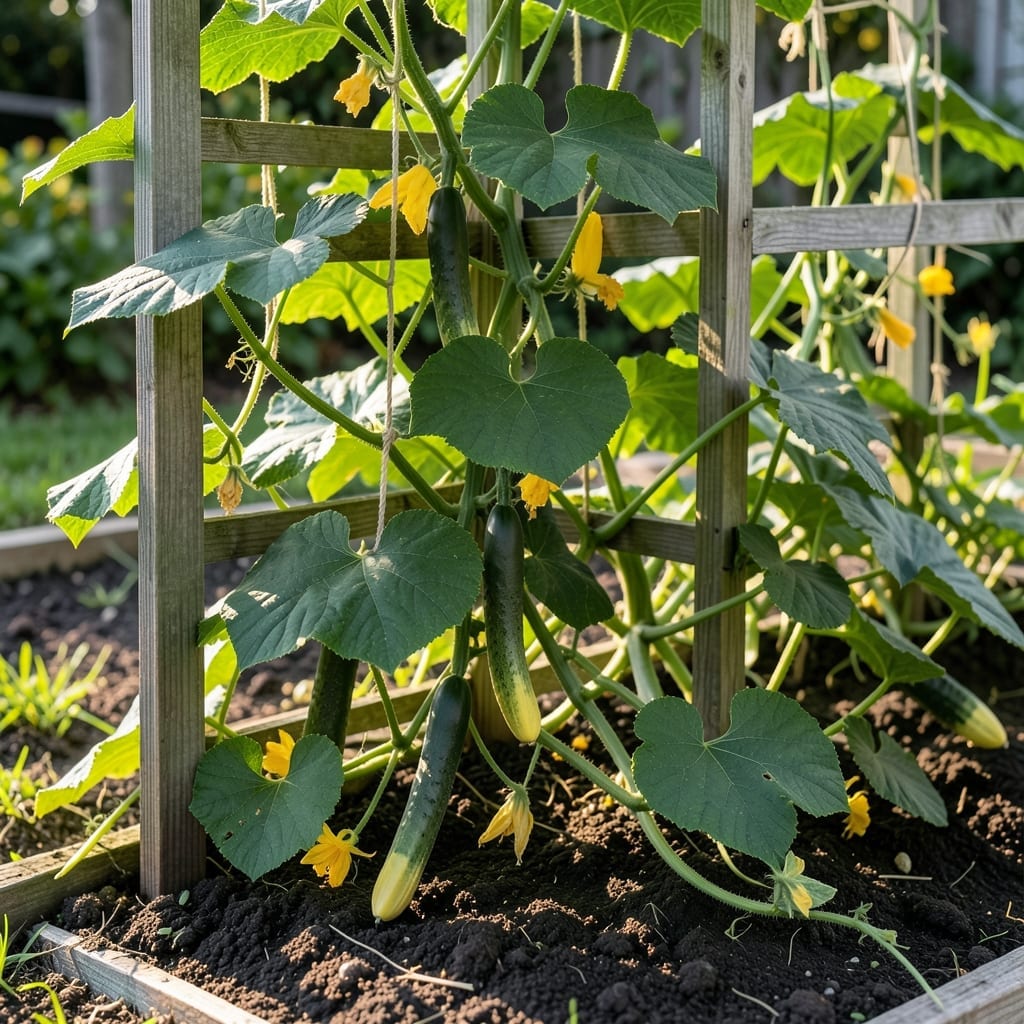
If you’ve ever planted Lemon Cucumber 🥒 seeds and then waited impatiently for results, you’re not alone. Watching that first sprout appear is thrilling, but the real question is always: when can I finally harvest?
Understanding the growth timeline helps you plan your garden better and avoid disappointment. The journey from seed to harvest isn’t just about counting days—it’s about recognizing the right signs.
Let me walk you through what to expect and how to ensure your Lemon Cucumber plants reach their full potential in the shortest time possible.
Growing lemon cucumbers is rewarding, especially when you know what to expect. These bright yellow fruits typically reach maturity in 60-70 days from seed sowing, but the exact timeline depends on several factors.
From germination to harvest, each stage plays a crucial role. I’ve found that soil temperature, sunlight exposure, and consistent watering can significantly influence how quickly your plants develop. Let’s break it down. 🌱
| Growth Stage | Days | Key Milestone |
|---|---|---|
| Germination | 5-10 | Sprouts emerge from soil |
| Seedling | 10-20 | First true leaves appear |
| Vegetative | 20-40 | Vines grow rapidly |
| Flowering | 40-50 | Yellow blooms develop |
| Fruiting | 50-60 | Small cucumbers form |
| Maturity | 60-70 | Ready for harvest |
The germination stage is the first critical period. With soil temps above 60°F, seeds sprout in 5-10 days. Cooler soil slows this process, so I always recommend starting seeds indoors if spring is chilly.
Once sprouts appear, the seedling stage begins. During these first 10-20 days, your plants focus on root and leaf development. Keep them in bright light and maintain even moisture to prevent stress. ☀️
The vegetative stage is when vines take off. From 20-40 days, your lemon cucumber plants will grow rapidly, developing strong stems and broad leaves. This is the time to trellis vines for better air circulation.
At 40-50 days, you’ll see the first yellow flowers. These will soon turn into tiny cucumbers. Consistent watering and fertilizing with a 5-10-10 blend help ensure a bountiful fruit set.
By 50-60 days, small cucumbers will start forming. They’ll grow quickly, so check daily. I’ve learned that harvesting early encourages more production, so don’t wait too long once they reach 2-3 inches. 🌿
The final stretch is the most exciting. At 60-70 days, your lemon cucumbers are ready to pick. Look for a pale yellow color and firm texture. If they turn orange or soft, they’re overripe.
Environmental factors can shift this timeline. Cooler temperatures may extend maturity by 10-14 days, while warm weather and ideal conditions can speed it up. I’ve seen plants mature in as little as 55 days in perfect summer heat.
If you’re eager to enjoy your lemon cucumbers sooner, there are proven ways to accelerate maturity. With the right techniques, you can shave 5-10 days off the standard timeline. I’ve tested several methods with great success.
Start by warming the soil before planting. Using black plastic mulch or row covers helps retain heat, which speeds up seed germination and early growth. This simple step can make a noticeable difference. 🌱
✨ Speed Up Maturity
Consistent watering is another key factor. Dry soil stresses plants and slows growth. I water my lemon cucumbers deeply 2-3 times weekly, ensuring the soil stays evenly moist but not soggy.
Fertilizing with a balanced 5-10-10 fertilizer every 4-6 weeks gives plants the nutrients they need to grow quickly. Avoid over-fertilizing, which can lead to excessive foliage and fewer fruits.
Selecting fast-maturing varieties is a smart move. Some lemon cucumber types mature in as little as 55 days. Check seed packets for the earliest maturity dates to fit your growing season.
Finally, ensure your plants get 6+ hours of sun daily. Full sun exposure maximizes photosynthesis, which fuels faster growth. If your garden has shady spots, consider using reflective mulch to bounce extra light onto your plants. ☀️