
Beautiful Plants For Your Interior
Beautiful Plants For Your Interior
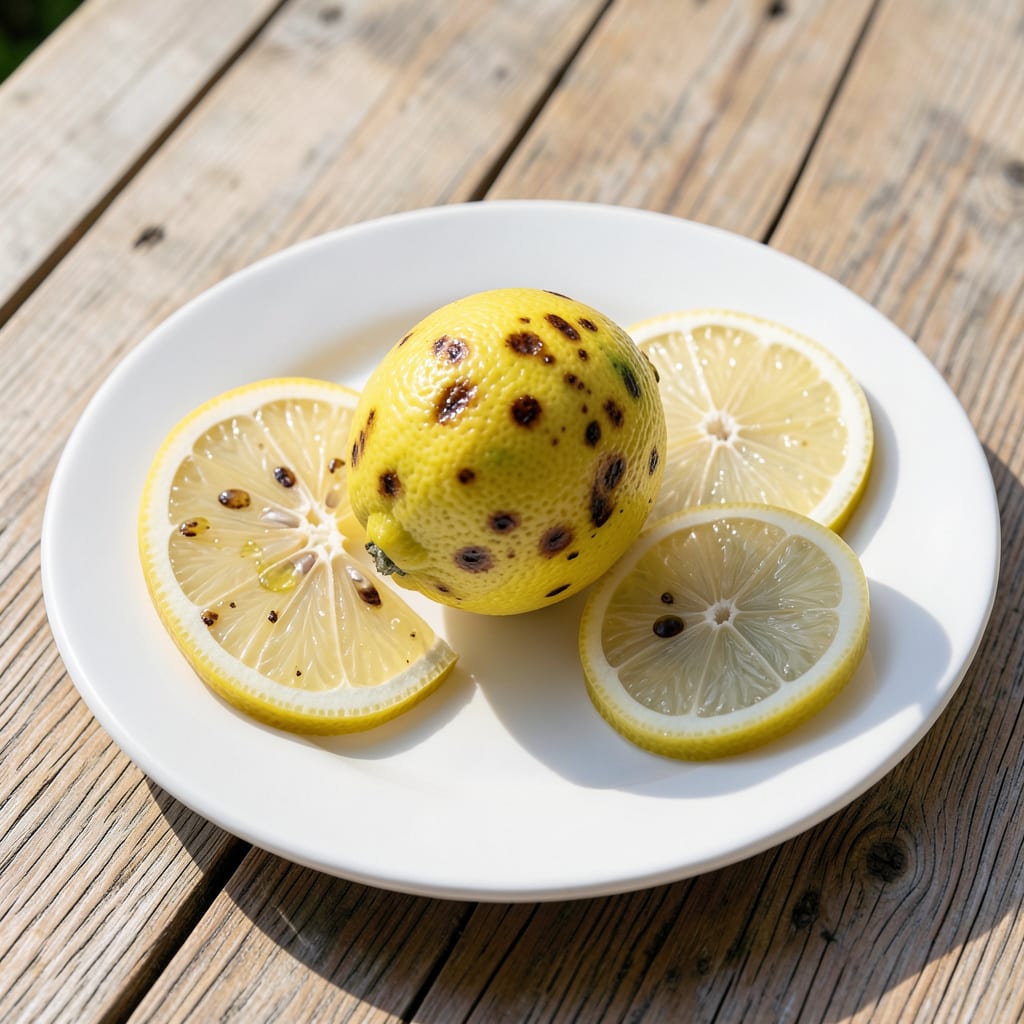
Dark spots on your lemon tree leaves are a warning sign, not a death sentence. I’ve seen this pattern enough to know it’s usually fixable with the right approach.
Often, it’s a nutrient deficiency—magnesium or zinc are common culprits—but pests or fungal issues can mimic the same symptoms. The good news? A few adjustments can turn things around fast.
You’ll start with a soil test to confirm what’s missing, then correct it with targeted amendments. Most trees show improvement within 2-3 weeks of treatment.
Works for potted trees, backyard specimens, or even struggling orchard plants. Here’s how to diagnose and fix it for good.
Dark spots on the skin can stem from several biological and environmental factors. Understanding the root causes helps in addressing them effectively. Below are the primary reasons why these discolorations develop, particularly in relation to lemon intake or topical use.
Sunlight triggers melanin production, the pigment responsible for skin color. When skin is exposed to UV rays, melanocytes (pigment-producing cells) go into overdrive, creating uneven dark patches. Lemon juice, being photosensitizing, can amplify this effect when applied topically before sun exposure, leading to phytophotodermatitis—a reaction where citrus oils interact with UV light to cause darkening or burns.
Lemons contain citric acid (pH ~2), which can disrupt the skin’s natural barrier. For those with sensitive skin, repeated application may cause post-inflammatory hyperpigmentation (PIH). The irritation triggers an inflammatory response, prompting melanocytes to produce excess pigment as part of the healing process.
A lack of vitamin C, vitamin E, or folate can impair skin repair and collagen synthesis. While lemons are rich in vitamin C, overconsumption without a balanced diet may mask deficiencies in other critical nutrients. For instance, folate deficiency can lead to hyperpigmentation, as it plays a role in DNA repair and cell turnover.
Environmental pollutants and poor diet contribute to oxidative stress, where free radicals damage skin cells. Lemon’s antioxidants (like flavonoids) typically combat this, but excessive topical use without proper rinsing can, paradoxically, increase oxidative damage due to its acidity and photosensitivity, worsening dark spots over time.
Dark spots caused by lemons or other factors can be frustrating, but targeted solutions can help restore even-toned skin. Below are practical fixes for common causes, along with prevention tips to keep your skin clear.
Lemon juice is acidic and can trigger post-inflammatory hyperpigmentation, especially on sensitive skin. Apply a vitamin C serum (5–10%) to brighten spots while protecting skin with SPF 30+ daily. For existing marks, use niacinamide (2–5%) to reduce discoloration.
Prevention tip: 💡 Avoid applying undiluted lemon juice directly to skin. If using it as a remedy, dilute with water or honey and patch-test first.
UV exposure worsens dark spots. Treat them with alpha arbutin or azelaic acid (10–20%) to fade discoloration. Pair with a broad-spectrum sunscreen reapplied every 2 hours when outdoors.
Prevention tip: 🧴 Wear sunscreen daily—even on cloudy days—to block UV triggers.
Harsh exfoliants or acids (like lemon) can irritate skin, leading to dark marks. Soothe with centella asiatica or aloe vera gel, then switch to gentler exfoliants like lactic acid (5–10%).
Prevention tip: ✨ Introduce active ingredients slowly and avoid mixing acids with lemon-based products.
Dark spots may signal deficiencies in vitamin B12, folate, or vitamin D. Boost intake with leafy greens, eggs, and fortified foods. For persistent issues, consult a doctor for blood tests.
Prevention tip: 🥗 Maintain a balanced diet rich in antioxidants (berries, nuts) to support skin repair.
Consistency is key—most treatments take 4–12 weeks to show results. Always patch-test new products and prioritize sun protection!
Lemon juice is highly acidic and can trigger post-inflammatory hyperpigmentation. The citric acid disrupts your skin barrier, causing irritation that leads to excess melanin production. Always dilute it and do a patch test first.
Lemon juice makes skin photosensitive, so UV exposure worsens discoloration. Apply SPF 30+ broad-spectrum sunscreen daily, even when indoors near windows. Reapply every 2 hours if outside.
With consistent treatment (like niacinamide or vitamin C serum), you’ll typically see improvement in 4-12 weeks. Sun protection is critical to prevent new spots from forming during this period.
