
Beautiful Plants For Your Interior
Beautiful Plants For Your Interior
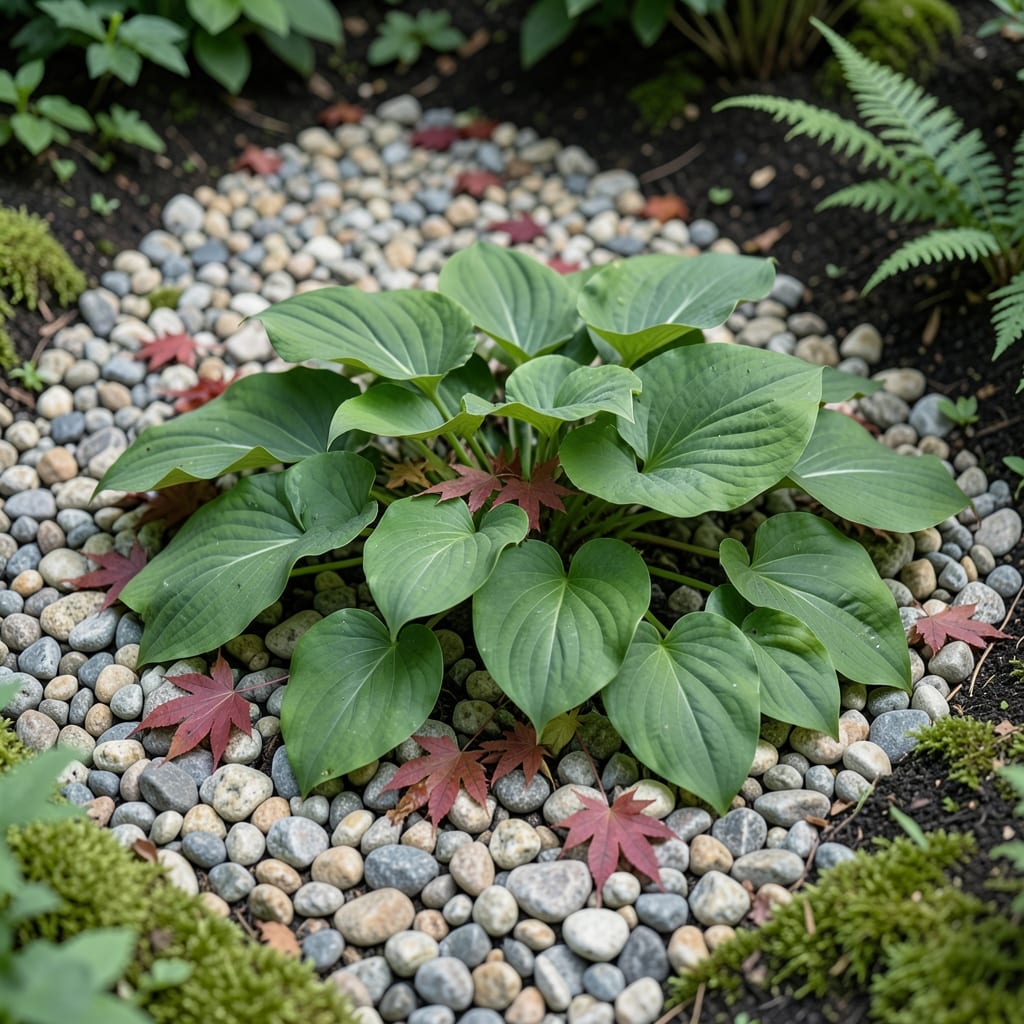
Leaves left on gravel can trap moisture, promote fungal growth, and harbor pests, potentially spreading diseases to nearby plants. Regular removal maintains garden health and prevents these issues.
I’ve seen firsthand how decaying foliage creates the perfect breeding ground for pathogens and insects in gravel beds. The organic matter breaks down slowly, releasing nutrients that disrupt the balanced drainage gravel provides. This is especially problematic in high-humidity areas where fungal spores thrive. 🔥
Proactive cleanup prevents these risks while preserving your garden’s aesthetic and function. ✨
💡 In This Article
When leaves accumulate on gravel, they create a moisture-trapping layer that disrupts the bed’s drainage. Gravel’s primary function is to allow water to flow freely, but decaying foliage forms a dense mat that holds 2-3x more water than the surrounding stones.
This stagnant moisture becomes a breeding ground for Phytophthora and Pythium fungi, which thrive in damp, organic-rich environments. 🔥
The decomposition process also alters the pH balance of the gravel bed. As leaves break down, they release tannins and organic acids, lowering the pH to 4.5-5.5—a range that inhibits beneficial microbes while favoring harmful pathogens. This acidity can leach into the soil beneath, affecting root health of nearby plants over time. ✨
Pests are drawn to this environment like moths to a flame. Slugs, snails, and earwigs seek shelter under the leaf litter, where they feed on decaying matter by day and migrate to your plants by night. A single square foot of leaf-covered gravel can harbor 50-100 pests, ready to spread to your garden beds.
The damp conditions also attract fungus gnats, whose larvae feed on organic matter and plant roots. 💫
Even the gravel itself suffers. The organic acids from decomposing leaves can begin to break down the stones over time, particularly limestone or other calcium-rich gravels. This creates a muddy sludge that clogs the gaps between stones, reducing drainage efficiency by up to 40%.
The result is a compacted, waterlogged mess that defeats the purpose of your gravel garden. ⚡
What’s more, these leaves don’t just affect the surface. As they decompose, fine organic particles work their way down into the gravel interstices, creating a 2-3 inch layer of compost-like material beneath what you can see. This hidden layer continues to trap moisture and harbor pests long after you’ve removed the visible leaves. 🌟
Decomposing leaves trap moisture against the stones, creating a perfect environment for algae and fungal growth. This slimy layer can reduce drainage by up to 40% and harbor pests.
In fall, aim for weekly removal to prevent buildup. In spring, bi-weekly is sufficient unless you have heavy tree cover. Consistency prevents moisture trapping and pest infestations.
A plastic leaf rake with flexible tines works best, gliding over stones without catching. For wet leaves, a shop vacuum with a hose attachment is more effective than a blower.
Yes, but compost them far from garden areas to avoid reintroducing pests or diseases. Never leave piles near gravel beds, as this can create the same problems you’re trying to prevent.