
Beautiful Plants For Your Interior
Beautiful Plants For Your Interior
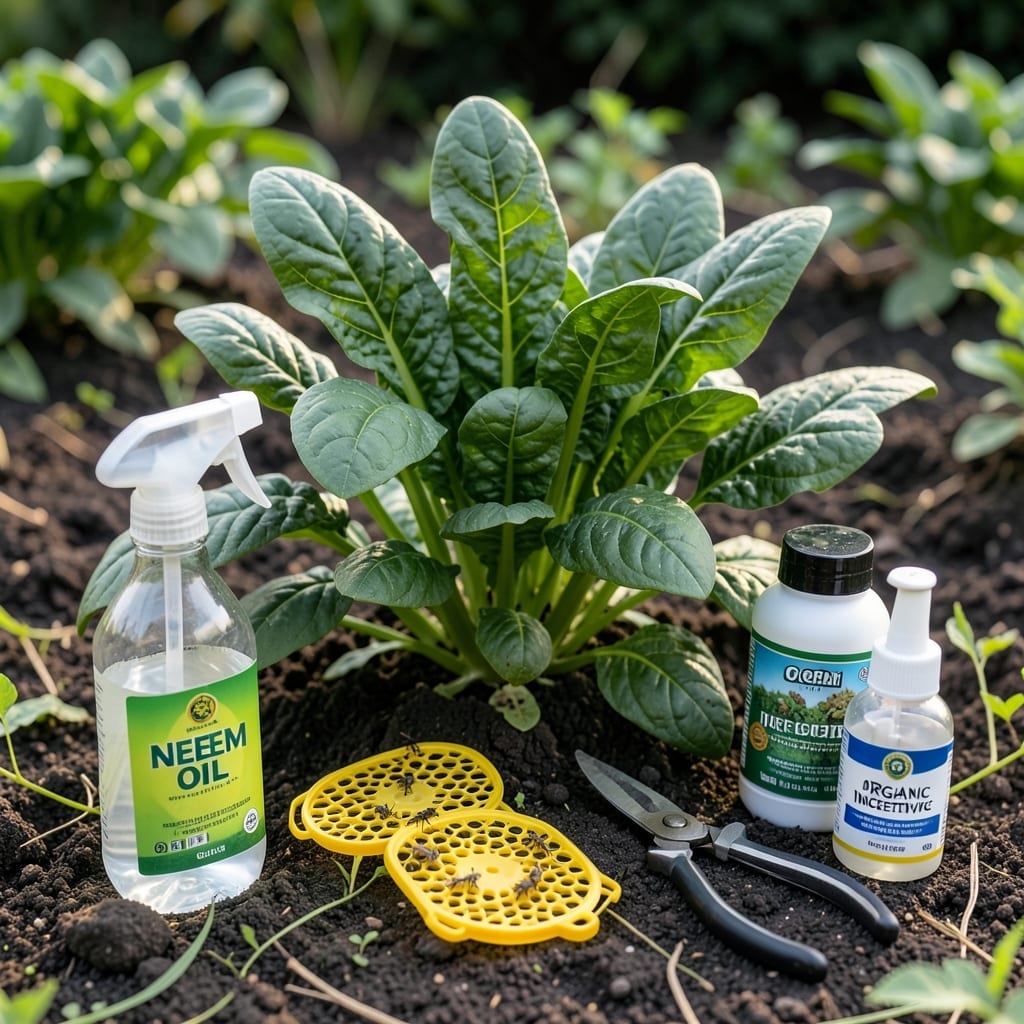
Tiny tunnels in your leaves mean trouble. Leaf miners are sneaky pests that burrow between leaf layers, leaving silver trails that ruin foliage and weaken plants.
I spotted my first infestation on spinach leaves last spring—thin, winding lines that looked like someone had etched them with a needle. The damage spreads fast if you don’t act, but organic solutions work surprisingly well.
You’ll see new growth come back stronger within 2-3 weeks of treatment. The key is catching it early and using the right approach for your plants.
Works for vegetables, ornamentals, and even houseplants. Here’s how to stop them for good.
Leaf miners are the larvae of certain insects—like beetles, moths, and sawflies—that tunnel through the inner layers of leaves, creating unsightly trails. 🌿 These pests thrive under specific conditions, and understanding their causes helps prevent infestations.
Adult female insects lay eggs on or inside leaf tissues. Species like the Liriomyza (serpentine leaf miner) or Phyllocnistis (citrus leaf miner) target soft, young leaves for easy penetration. Once hatched, larvae burrow into the leaf, feeding on its mesophyll layer while leaving the outer epidermis intact.
Plants under stress—from drought, overwatering, or nutrient deficiencies—are more vulnerable. Weak foliage lacks natural defenses, making it easier for adult insects to lay eggs and for larvae to establish themselves. Ensuring optimal water, sunlight, and soil health reduces attractiveness to pests.
Leaf miners flourish in temperatures between 70–85°F (21–29°C) with high humidity. These conditions accelerate egg hatching and larval development. Greenhouses or densely planted gardens often create ideal breeding grounds unless airflow and humidity are controlled.
In balanced ecosystems, parasitic wasps (e.g., Diglyphus isaea) and predatory beetles keep leaf miner populations in check. Overuse of broad-spectrum pesticides can kill these beneficial insects, leading to unchecked infestations. Encourage biodiversity to maintain natural pest control.
Leaf miners can be stubborn, but these targeted solutions will help you reclaim healthy foliage. Address the issue based on its cause for the best results.
If you spot only a few affected leaves, prune and destroy them immediately. Check the undersides for eggs or larvae, and crush them between your fingers (wear gloves if preferred). This prevents the next generation from hatching.
Prevention tip: Inspect new plants before bringing them home to avoid introducing pests.
For larger outbreaks, apply neem oil or spinosad (a natural bacterial spray) to the leaves, focusing on the undersides where miners lay eggs. Spray in the early morning or late evening to avoid harming beneficial insects like bees.
Prevention tip: Rotate crops yearly to disrupt pest life cycles and reduce reinfestation.
Encourage or release beneficial insects like parasitic wasps, lacewings, or ladybugs, which prey on leaf miner eggs and larvae. Plant dill, fennel, or alyssum to attract these helpers.
Prevention tip: Use row covers on vulnerable plants to physically block adult miners from laying eggs.
Healthy plants resist pests better. Mulch with compost and water consistently to reduce stress. Avoid over-fertilizing with nitrogen, which can attract miners.
Prevention tip: Practice good garden hygiene—remove plant debris after harvest to eliminate overwintering sites.
Combine these methods for a long-term, chemical-free approach to keeping your garden thriving. 💡
Apply neem oil every 7-10 days until the infestation clears. Focus on leaf undersides where eggs hide. Reapply after rain.
No, they’ll keep spreading without intervention. Adults lay up to 250 eggs in their lifetime, so early action is critical.
Systemic pesticides work but kill beneficial insects too. For food plants, stick to organic options like spinosad.
Spinach, chard, and tomatoes are top targets. Citrus trees and ornamentals like coleus are also common victims.