
Beautiful Plants For Your Interior
Beautiful Plants For Your Interior
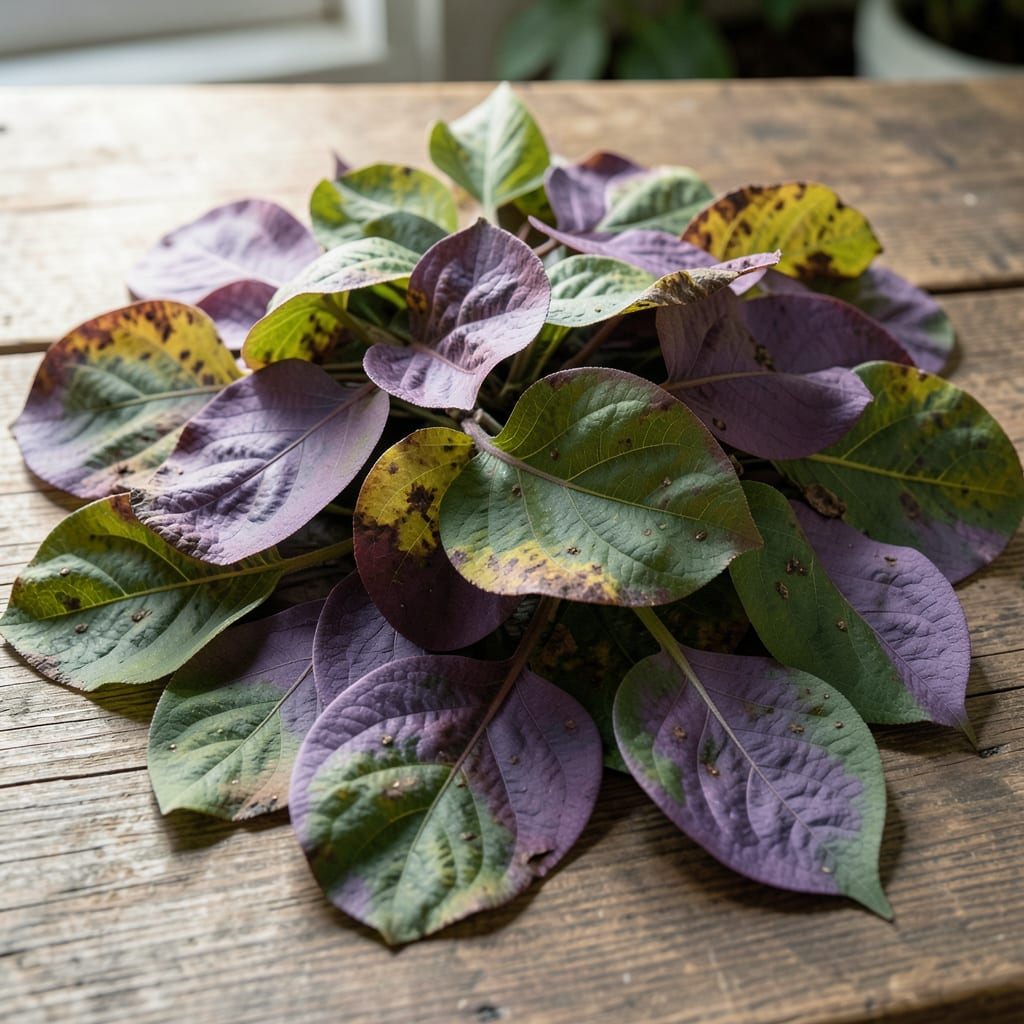
Spotted brown edges on your lilac leaves aren’t just ugly—they’re a warning sign. I’ve seen leaf blight turn healthy bushes into skeletal shadows in 2 weeks if ignored.
This fungal attack thrives in wet spring weather, spreading through splashing water and poor air circulation. My first lilac nearly died before I learned to catch it early. The key is acting at the first sign of trouble.
You’ll stop the spread with simple changes: better airflow, morning watering, and removing infected leaves immediately. No fancy equipment needed—just consistent attention.
Natural treatments work surprisingly well when applied correctly. I’ll show you exactly what to do before that first brown spot multiplies.
Leaf blight in lilacs often stems from a mix of environmental stress and infectious agents. Here’s a breakdown of the most common causes:
Fungi like Botrytis cinerea or Pseudocercospora spp. thrive in damp, poorly ventilated conditions. These pathogens spread via spores, which germinate on wet foliage, leading to brown or blackened spots, wilting, and premature leaf drop. High humidity and overhead watering accelerate their growth.
Overwatering or heavy rainfall creates a breeding ground for blight. Lilacs prefer well-drained soil, and waterlogged roots weaken the plant, making it more susceptible to infection. Standing water on leaves also provides the perfect environment for fungal spores to take hold.
Fluctuating temperatures, especially cool, wet springs followed by sudden heat, stress lilacs. This stress lowers their natural defenses, leaving them vulnerable to opportunistic pathogens. Frost damage can also create entry points for disease.
Dense planting or lack of pruning restricts airflow around lilac bushes. Stagnant air traps moisture, creating a microclimate that favors fungal growth. Thin out branches annually to improve ventilation and reduce disease risk.
Dealing with leaf blight on your lilacs can feel overwhelming, but these targeted solutions will help you restore health and prevent future outbreaks. Address each cause with the right fix, and your lilacs will thank you! 🌿
If fungal leaf blight (like Botrytis or Cercospora) is the culprit, act fast:
Prevention tip: 💡 Water at the base of the plant (not overhead) and avoid late-evening watering to keep foliage dry.
Pests like aphids or lilac borers weaken plants, making them vulnerable to blight:
Prevention tip: 🎯 Inspect lilacs weekly for early signs of pests and keep the area free of debris.
Stress from improper care invites disease. Fix these common issues:
Prevention tip: ✨ Mulch with organic material to retain moisture and regulate soil temperature, but keep it 2–3 inches away from the stem.
Look for brown or black spots with yellow halos on leaves, often starting at the edges. Leaves may curl, wilt, or drop prematurely. Check for fuzzy gray mold in humid conditions.
Yes, but act fast. Prune all infected parts, apply copper fungicide, and improve airflow. If over 50% is affected, removal may prevent spreading to other plants.
Start at the first sign of spots. Treat in early morning when leaves are dry. Repeat every 7-10 days until new growth appears healthy. Avoid evening applications.
It can if spores remain. Clean up all fallen leaves and debris in autumn. Apply a preventative fungicide in early spring before new growth emerges.
