
Beautiful Plants For Your Interior
Beautiful Plants For Your Interior
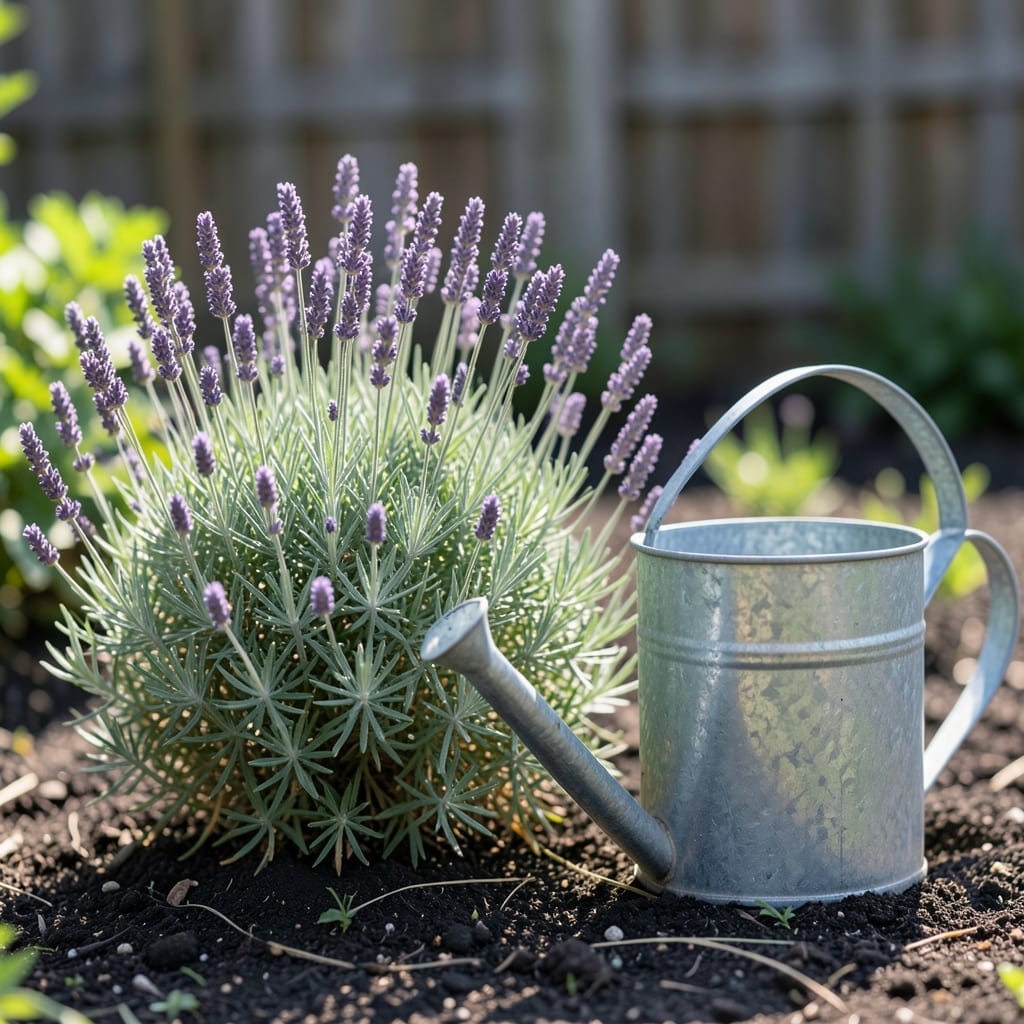
Lavender thrives on neglect, but get the watering wrong and you’ll watch this drought-tolerant 🟣 beauty wilt in no time. It’s one of the easiest plants to grow, yet overwatering remains its biggest threat.
Understanding its unique needs is the key to vibrant blooms and healthy growth. Many gardeners assume more water means better results, but lavender disagrees.
I’ll walk you through the most important watering practices, from frequency to soil moisture, so you can avoid the common pitfalls. Whether in pots or the ground, these tips will keep your lavender thriving.
Discover how to spot the early signs of trouble and adjust your routine for better results. Let’s get started.
Lavender is a drought-tolerant plant that thrives with minimal water. I’ve learned that overwatering is the most common mistake gardeners make with this hardy herb. Its Mediterranean origins mean it prefers dry conditions over soggy soil.
For mature lavender plants, watering every 2-3 weeks is usually sufficient. However, the exact frequency depends on your climate and soil type. Sandy soil drains faster, while clay retains moisture longer.
| Condition | Watering Frequency |
| Mature Plants | Every 2-3 weeks |
| New Plants | Every 7-10 days |
| Potted Lavender | Every 10-14 days |
| Hot Climate | Every 10-14 days |
| Cool Climate | Every 3-4 weeks |
The first year after planting is critical. Young lavender needs more frequent watering to establish roots. I recommend a deep soak every 7-10 days during this period, then taper off.
For potted lavender, the rules change slightly. Containers dry out faster, so check the top inch of soil. If it’s dry, it’s time to water. Aim for every 10-14 days in most conditions.
In hot climates, you might need to water more often, but always let the soil dry out between sessions. Lavender hates wet feet, and constant moisture leads to root rot. I’ve seen this kill more plants than drought ever did.
During winter dormancy, lavender needs very little water. Once a month is plenty in most regions. Overwatering in cold months is especially dangerous, as the plant isn’t actively growing to use the moisture.
The soil type plays a huge role. Lavender thrives in well-draining soil. If your soil is heavy clay, consider amending it with sand or gravel to improve drainage before planting.
Always water in the early morning. This gives the plant time to absorb moisture before the heat of the day and reduces evaporation. Avoid evening watering, which can promote fungal diseases.
When you do water, give it a deep soak rather than a light sprinkle. This encourages the roots to grow deep, making the plant more drought-resistant. A good rule is to water until the soil is moist 6 inches down. ✂️
Lavender is tough, but even this drought-resistant plant shows stress when watering goes wrong. The first sign is usually yellowing leaves, which often means too much water.
Wilting stems can trick you—it might look thirsty, but often signals root rot from overwatering. I’ve seen many gardeners reach for the hose, only to make things worse.
⚠️ Warning: Overwatering causes root rot and fungal diseases. Underwatering leads to dry, crispy leaves. Always check soil moisture first!
If your lavender’s lower leaves turn brown and brittle, it’s likely underwatered. This usually happens in extreme heat or with sandy soil that drains too fast.
Mushy stems at the base are a red flag for root rot. Dig gently to check roots—if they’re dark and soft, you’re watering too much. Cut back and let the soil dry out.
For potted lavender, waterlogging is a common issue. Ensure drainage holes are clear and use a well-draining mix with perlite or sand to prevent soggy roots.
Finally, morning watering is best to prevent evaporation loss and fungal growth. If you see mold on soil, it’s a sign to ease up and improve airflow.
With these signs in mind, you’ll catch problems early and keep your lavender thriving with minimal effort 🌿