
Beautiful Plants For Your Interior
Beautiful Plants For Your Interior
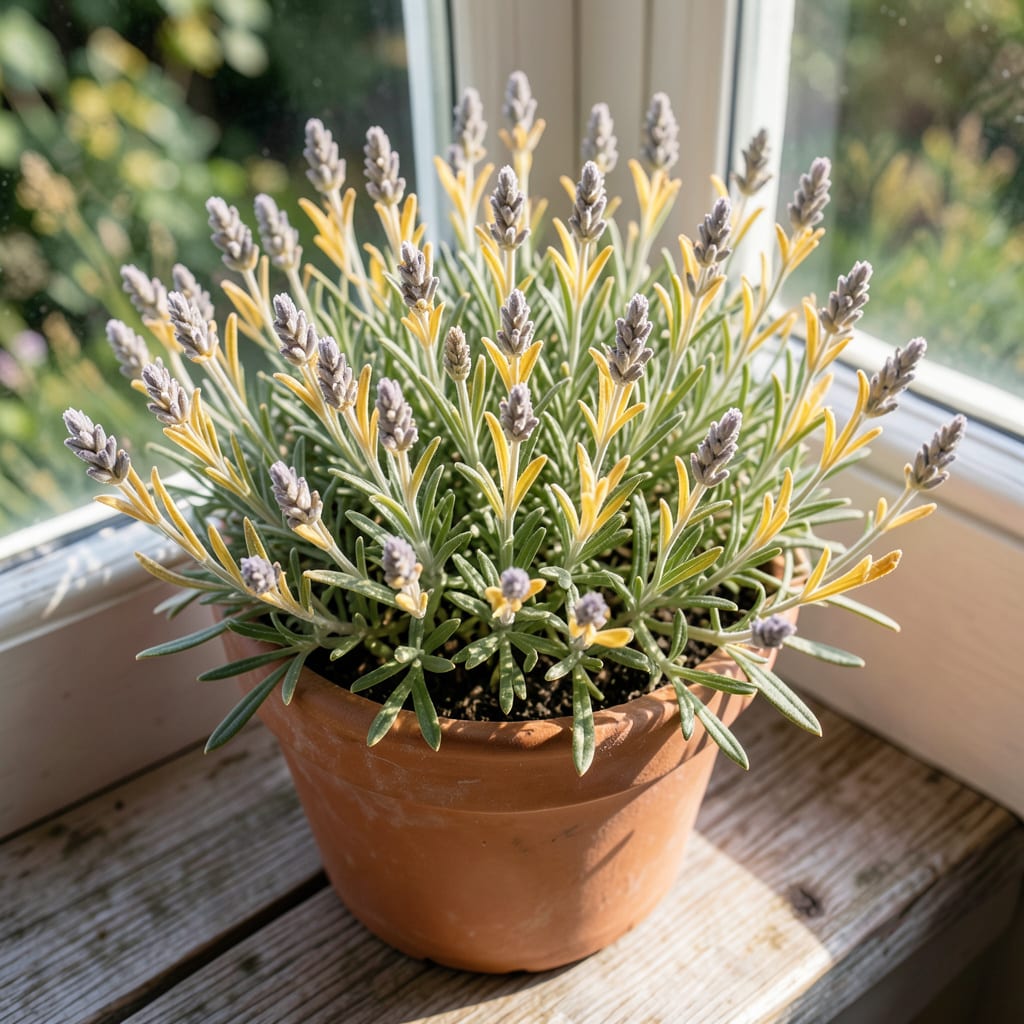
Yellow lavender leaves always signal a cry for help. I’ve seen this happen most often when the soil stays too wet for too long, turning what should be silvery-green foliage into a sad, sickly hue.
The fix isn’t complicated once you identify the root cause. Usually it’s overwatering, poor drainage, or the wrong soil mix. Lavender hates wet feet, and most problems start with that simple mistake.
With the right adjustments—less water, better soil, proper sunlight—you’ll see improvement in about 2-3 weeks. The plant bounces back faster than you’d expect when conditions match what it naturally wants.
This approach works for potted lavender, garden beds, or any struggling plants showing those telltale yellow leaves. Let’s get to the bottom of it.
Lavender leaves turn yellow due to several environmental and cultural stressors. Below are the most common causes, explained with actionable insights.
Lavender thrives in dry, well-drained soil. Overwatering suffocates the roots, reducing oxygen uptake and leading to root rot. This stress manifests as yellowing leaves, often starting at the base. Ensure pots have drainage holes and use sandy, gritty soil mixes. Water only when the top 1–2 inches of soil are dry.
Yellowing can signal a lack of essential nutrients, particularly nitrogen (uniform yellowing) or iron (interveinal chlorosis—yellow leaves with green veins). Lavender prefers poor soil, so avoid heavy fertilization. A light application of balanced, low-nitrogen fertilizer (e.g., 5-10-10) in spring can help, but over-fertilizing worsens the issue.
Lavender is drought-tolerant but sensitive to frost or heat stress. Sudden cold snaps can shock the plant, causing leaf discoloration. Similarly, extreme heat (above 90°F/32°C) with inadequate airflow may scorch foliage. Protect plants with mulch in winter and provide afternoon shade in scorching climates.
Pathogens like Phytophthora or Alternaria thrive in wet conditions, leading to yellowing, wilting, or spotted leaves. Improve air circulation, avoid overhead watering, and remove affected foliage promptly. Copper-based fungicides can treat mild infections.
Lavender prefers alkaline to neutral soil (pH 6.5–8.0). Acidic soils (pH < 6.0) limit nutrient absorption, causing chlorosis. Test your soil and amend with lime if needed to raise pH.
Don’t panic—yellow leaves on your lavender often signal fixable issues. Below are targeted solutions for the most common causes, plus prevention tips to keep your plant thriving.
Lavender hates soggy roots. If the soil feels damp or smells musty, stop watering immediately and let the top 2-3 inches dry out. Repot in well-draining soil (add perlite or sand) and ensure containers have drainage holes. Prevention: Water only when the soil is bone-dry, and use a moisture meter for precision.
Lavender needs 6+ hours of direct sunlight daily. If leaves yellow in shady spots, move pots to a sunnier window or garden area. For indoor plants, supplement with a grow light (12-14 hours/day). Prevention: Rotate pots weekly for even light exposure.
Yellowing with green veins? Your lavender may lack iron or nitrogen. Use a balanced, water-soluble fertilizer (10-10-10) diluted to half-strength, applied every 4-6 weeks in growing season. Avoid over-fertilizing—lavender prefers lean soil. Prevention: Test soil pH (aim for 6.5–7.5) and amend with compost annually.
Check leaf undersides for aphids, spider mites, or whiteflies. Blast pests off with water, then apply neem oil or insecticidal soap weekly until gone. Prevention: Inspect plants regularly and encourage beneficial insects like ladybugs.
Sudden cold snaps or heatwaves can shock lavender. Move potted plants indoors if temps dip below 50°F (10°C), and provide afternoon shade in extreme heat. Prevention: Mulch around base to insulate roots and avoid drafty locations.
Pro Tip: 🎯 Always prune yellow leaves at the base to redirect energy to healthy growth—and sterilize your shears with rubbing alcohol to prevent disease spread!
Water only when the top 2-3 inches of soil are completely dry. In hot climates, this may be weekly, but in cooler areas, every 2-3 weeks is often enough. Overwatering is the most common cause of yellow leaves.
Yes, if caught early. Stop watering, remove the plant from soggy soil, and trim any black, mushy roots. Repot in fresh, well-draining mix and reduce watering. Recovery takes 3-4 weeks if the damage isn’t severe.
Unfortunately, no. Once leaves yellow, they won’t regain their green color. Remove them to direct energy to healthy growth. Focus on fixing the underlying issue to prevent new leaves from yellowing.
Lavender loves full sun, but extreme heat above 90°F can stress it. If leaves yellow and feel crispy, provide afternoon shade. Otherwise, ensure it gets at least 6 hours of direct sunlight daily.
