
Beautiful Plants For Your Interior
Beautiful Plants For Your Interior
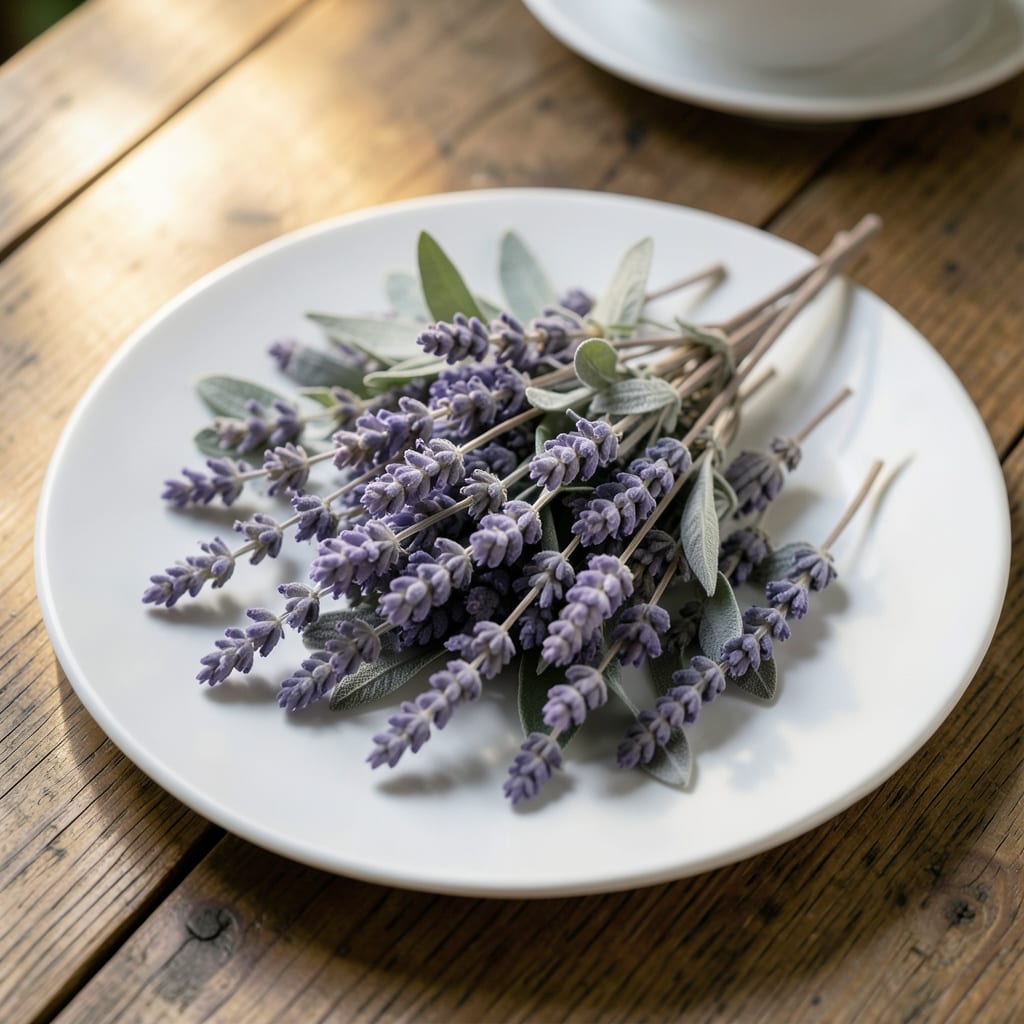
Gray lavender leaves stopped me in my tracks last spring. I’d been watering on autopilot, assuming more was better—until the color change proved me wrong.
Turns out, soggy roots and poor drainage are the usual culprits. Lavender hates wet feet, and gray leaves often signal root rot or fungal issues taking hold.
Here’s the thing—catch it early and you can reverse the damage. I saved mine by adjusting watering, improving soil drainage, and pruning affected areas.
You’ll see new green growth within 2-3 weeks once conditions improve. The key is acting fast before the problem spreads to the whole plant.
Lavender leaves turn grey for several reasons, often tied to environmental stress or poor care. Below are the most common causes, explained simply with actionable insights.
Lavender thrives in dry, well-draining soil. When roots sit in waterlogged soil, they suffocate, leading to root rot. This restricts nutrient uptake, causing leaves to lose their green pigment (chlorophyll) and turn ashy grey. Fix it: Ensure pots have drainage holes and use sandy, gravelly soil.
While lavender loves sunlight, intense UV rays (especially in desert-like climates) can bleach leaves, turning them grey. This is often accompanied by dry, crispy edges. Fix it: Provide afternoon shade in extreme heat or use shade cloth for young plants.
Fungi like Botrytis cinerea (grey mold) thrive in humid, poorly ventilated conditions. They coat leaves in a greyish fuzz, blocking photosynthesis. Fix it: Improve airflow, avoid overhead watering, and remove infected foliage immediately.
A lack of magnesium or nitrogen can cause chlorosis (yellowing) that progresses to grey. Lavender prefers low-fertility soil, but extreme deficiencies still harm it. Fix it: Test soil and amend with compost or a balanced organic fertilizer.
Lavender is hardy but not frost-proof. Freezing temperatures damage cell structures, leading to grey, wilted leaves. Fix it: Mulch heavily in winter or move potted plants indoors.
If your lavender leaves are turning grey, don’t panic—most causes are fixable with the right care. Below are targeted solutions for each common issue, along with prevention tips to keep your plant thriving.
Lavender hates soggy roots. Fix it by repotting in well-draining soil mixed with sand or perlite. Use a terracotta pot with drainage holes to wick away excess moisture. Water only when the top inch of soil is completely dry—usually every 2–3 weeks. Prevention tip: 💡 Elevate pots to avoid waterlogging, and always check soil moisture before watering.
Grey mold or leaf spot often appears in humid conditions. Fix it by removing affected leaves with clean shears and improving airflow around the plant. Spray with a mix of 1 tsp baking soda + 1 quart water + a drop of dish soap weekly until symptoms fade. Prevention tip: 🌿 Space plants 18–24 inches apart and water at the base to keep foliage dry.
Lavender needs 6–8 hours of direct sunlight daily. If leaves are grey and stunted, move the plant to a sunnier spot or trim nearby shade-casting plants. For indoor lavender, use a south-facing window or a grow light. Prevention tip: ☀️ Rotate potted lavender occasionally to ensure even sun exposure.
Too much nitrogen (common in generic fertilizers) can cause greyish, weak growth. Fix it by switching to a low-nitrogen, phosphorus-rich fertilizer (like 5-10-5) or a diluted compost tea, applied sparingly in spring. Prevention tip: 🌱 Avoid fertilizing in late summer or fall—lavender prefers lean soil.
Spider mites or aphids can stress the plant, leading to discoloration. Fix it by blasting pests off with water or applying neem oil (1 tbsp oil + 1 tsp soap per gallon of water) every 5–7 days. Prevention tip: 🛡️ Encourage beneficial insects like ladybugs by planting companion flowers like marigolds.
With these adjustments, your lavender should regain its vibrant green (or silvery-green, for some varieties) hue in a few weeks. Consistency is key—stick to its Mediterranean roots: sun, solitude, and sparse water!
Water only when the top 1-2 inches of soil are completely dry. Typically, this means every 2-3 weeks, depending on your climate. Overwatering is a leading cause of grey foliage.
Use a well-draining mix of 50% potting soil and 50% sand or perlite. Add a handful of gravel to improve drainage. Lavender thrives in poor, dry soil that mimics its native Mediterranean habitat.
Yes! With proper care, new growth will be green within 2-3 weeks. Severely damaged leaves may not recover, but pruning them encourages healthy regrowth. Consistency is key.
It’s best to avoid harsh chemicals. Organic options like neem oil or a baking soda solution work well for fungal issues. Lavender is sensitive to synthetic treatments.
