
Beautiful Plants For Your Interior
Beautiful Plants For Your Interior
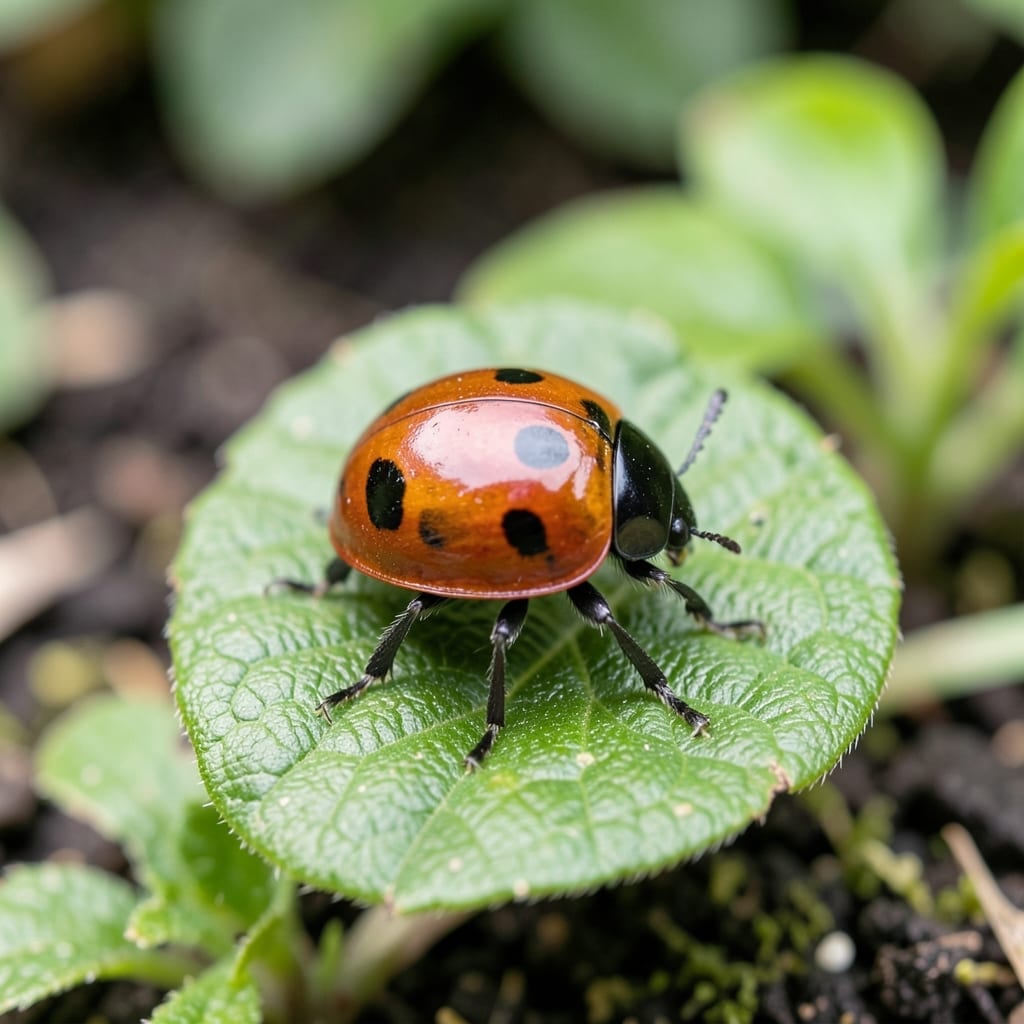
Not every red beetle is a garden hero. I spent years assuming all ladybug-like insects were beneficial until I noticed my plants getting skeletonized.
Some look-alikes are downright destructive, like the Mexican bean beetle or the spotted cucumber beetle. The difference often comes down to subtle markings, body shape, and behavior patterns I wish I’d known sooner.
You’ll find that true ladybugs have smooth, dome-shaped bodies and distinct spots. Their imposters often have elongated bodies, different spot patterns, or that telltale metallic sheen that screams trouble.
This guide helps you tell friend from foe before they wreak havoc. Your garden’s health depends on spotting these differences early.
The similarity between true ladybugs and their imposters often stems from evolutionary and ecological factors. These look-alikes have developed traits that mimic ladybugs for survival, leading to widespread confusion. Below are the key reasons why this happens:
Many insects, like the Asian lady beetle or soldier beetle, have evolved to resemble ladybugs through Batesian mimicry. This defense mechanism tricks predators into avoiding them, as ladybugs are often toxic or unpalatable. By copying their bright colors and spotted patterns, these imposters gain protection without producing their own defenses.
Ladybugs and their doppelgängers often thrive in the same environments—gardens, farms, and wooded areas—where they feed on similar prey (e.g., aphids). This overlap increases the chances of misidentification, as both species are drawn to the same resources.
Unrelated species sometimes develop similar traits independently due to convergent evolution. For example, the spotted cucumber beetle shares the ladybug’s polka-dot pattern, not because of mimicry, but because its habitat and predators favor that appearance. This natural convergence blurs the lines between the two.
Understanding these causes helps you distinguish the real from the imposter more effectively.
When you spot a ladybug lookalike in your garden, quick and targeted action can save your plants. Below are practical fixes for the most common impostors, along with ways to keep them from coming back.
Many ladybug mimics, like the spotted cucumber beetle, thrive alongside aphids. Mix 1 tbsp of insecticidal soap per quart of water and spray directly on the pests. Focus on the undersides of leaves where they hide. Reapply every 4–7 days until the infestation clears.
Cluttered gardens attract pests like the squash bug, which resembles a ladybug. Remove dead leaves, weeds, and plant debris where they breed. Prune dense foliage to improve airflow and reduce hiding spots. A tidy garden is less inviting to impostors.
Before taking action, confirm the bug’s identity. Compare its markings, shape, and behavior to a trusted visual guide. Many beneficial insects, like the soldier beetle, are harmless. Avoid killing the good guys!
Prevention Tips:
Check the body shape and markings. Real ladybugs have smooth, dome-shaped bodies with distinct round spots. Many imposters have elongated bodies, irregular spots, or a metallic sheen.
No, some like the soldier beetle are harmless or even beneficial. Others, such as the Mexican bean beetle, can damage plants. Always confirm the species before taking action.
Use a magnifying glass to inspect the head, body shape, and spot pattern. Compare it to a reliable visual guide or app for quick confirmation.