
Beautiful Plants For Your Interior
Beautiful Plants For Your Interior
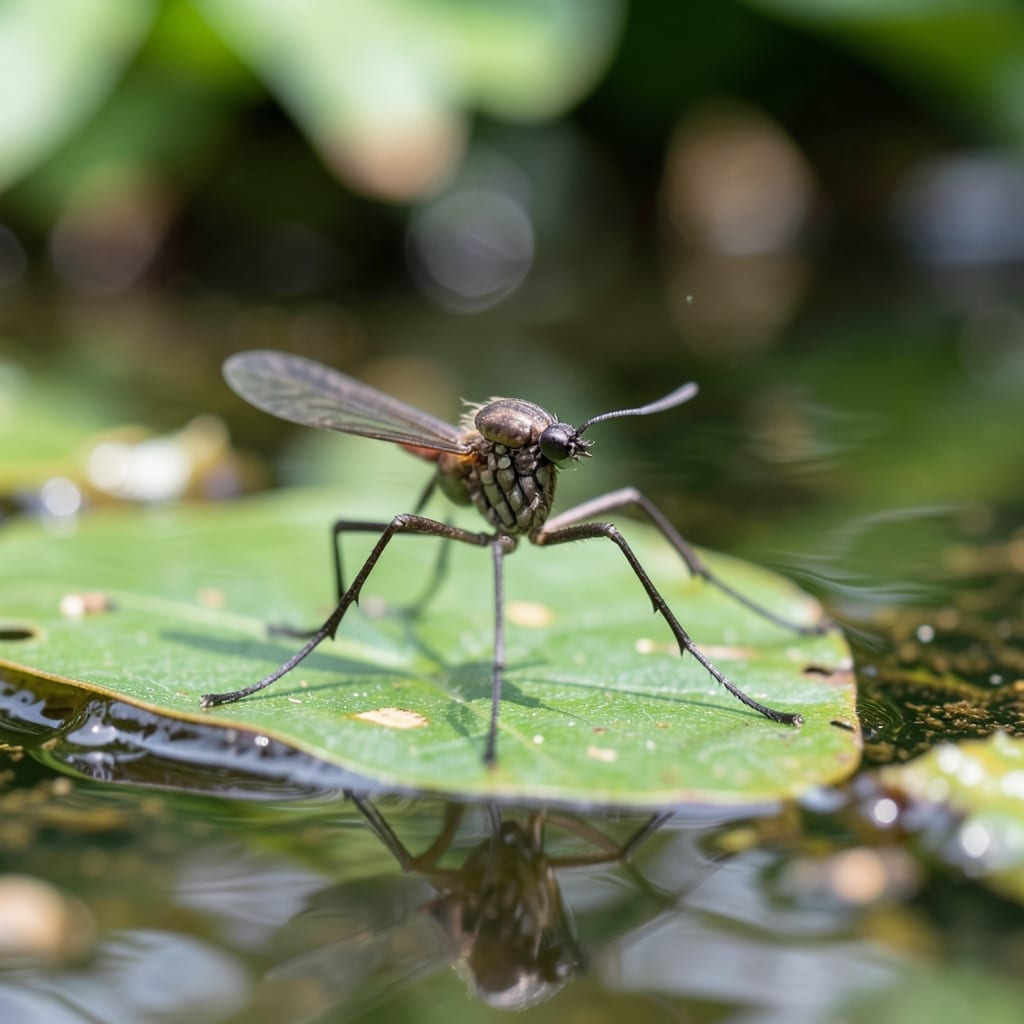
My pond became a mosquito breeding ground last summer. Honestly, I was ready to drain the whole thing until I discovered natural larvicide methods that actually work.
Turns out, you don’t need harsh chemicals to break the mosquito lifecycle. A few simple additions to your water feature can eliminate larvae before they mature into biting adults. The solution is cheaper than you’d expect.
Within 48 hours, you’ll notice fewer larvae wriggling on the surface. By week two, your pond can become a mosquito-free zone without harming fish, frogs, or beneficial insects.
Works for any size water feature, from small garden ponds to larger koi setups. These methods maintain your ecosystem while solving the problem.
Mosquitoes flourish in ponds due to several natural and environmental factors. Understanding these causes helps you target the problem effectively.
Mosquitoes lay their eggs in still or slow-moving water, and ponds provide the perfect breeding ground. Stagnant water lacks predators and oxygen fluctuations that disrupt mosquito larvae development, allowing them to mature undisturbed.
Decaying leaves, algae, and other organic matter in ponds create nutrient-rich environments. These materials serve as food for mosquito larvae, accelerating their growth and increasing survival rates.
Mosquitoes reproduce rapidly in warm climates. Ponds exposed to sunlight heat up quickly, speeding up the hatching and development of larvae. Shaded ponds may still harbor mosquitoes but at a slower rate.
Without natural predators like fish (e.g., gambusia), dragonfly nymphs, or tadpoles, mosquito larvae face no threats. Ponds with low biodiversity or disrupted ecosystems often see higher mosquito populations.
Ponds with minimal water movement (e.g., no fountains or aerators) allow mosquito eggs to settle and hatch. Aeration disrupts the surface tension, making it harder for larvae to breathe and survive.
Mosquitoes thrive in standing water, but these practical solutions can help you reclaim your pond. Address each cause with targeted fixes and prevention tips to keep your outdoor space bite-free.
Install a solar-powered fountain or aerator to keep water moving. Mosquitoes lay eggs in still water, so disrupting the surface prevents breeding. For smaller ponds, even a simple DIY bubble stone system (connected to an air pump) works wonders.
Prevention tip: 💡 Run the aerator 24/7 during warm months—mosquitoes can breed in as little as 7 days!
Dense plants provide shade and shelter for larvae. Remove excess algae and weeds manually or with a pond rake. For a natural touch, introduce mosquito fish (Gambusia), which eat larvae voraciously.
Prevention tip: ✨ Maintain 40-60% plant coverage—enough for ecosystem health but not so much that it invites pests.
Encourage dragonflies, bats, and birds by adding perches, bat houses, or floating plants. These predators feed on mosquito larvae and adults. Stocking your pond with killi fish or goldfish also helps control populations naturally.
Prevention tip: 🎯 Avoid pesticides—they kill beneficial predators too!
Leaves and twigs decompose, creating nutrient-rich water that attracts mosquitoes. Skim debris weekly and use a pond net to remove sludge. For larger ponds, a bottom drain or sludge remover keeps water clean.
Prevention tip: 🌡️ Add a fine mesh cover in fall to catch falling leaves before they sink.
Combine these methods for the best results—consistency is key to a mosquito-free pond!
Run it continuously during warm months. Mosquitoes can breed in just 7 days, so constant water movement prevents larvae from developing.
Mosquito fish (Gambusia) are safe for most ecosystems and coexist well with koi or goldfish. They’re natural predators that won’t disrupt other aquatic life.
Introduce mosquito fish or add a bacterial larvicide like Bti. Both start working within 24-48 hours and are chemical-free.
Avoid harsh chemicals—they harm fish, plants, and beneficial bacteria. Natural methods are just as effective without damaging your pond’s balance.