
Beautiful Plants For Your Interior
Beautiful Plants For Your Interior
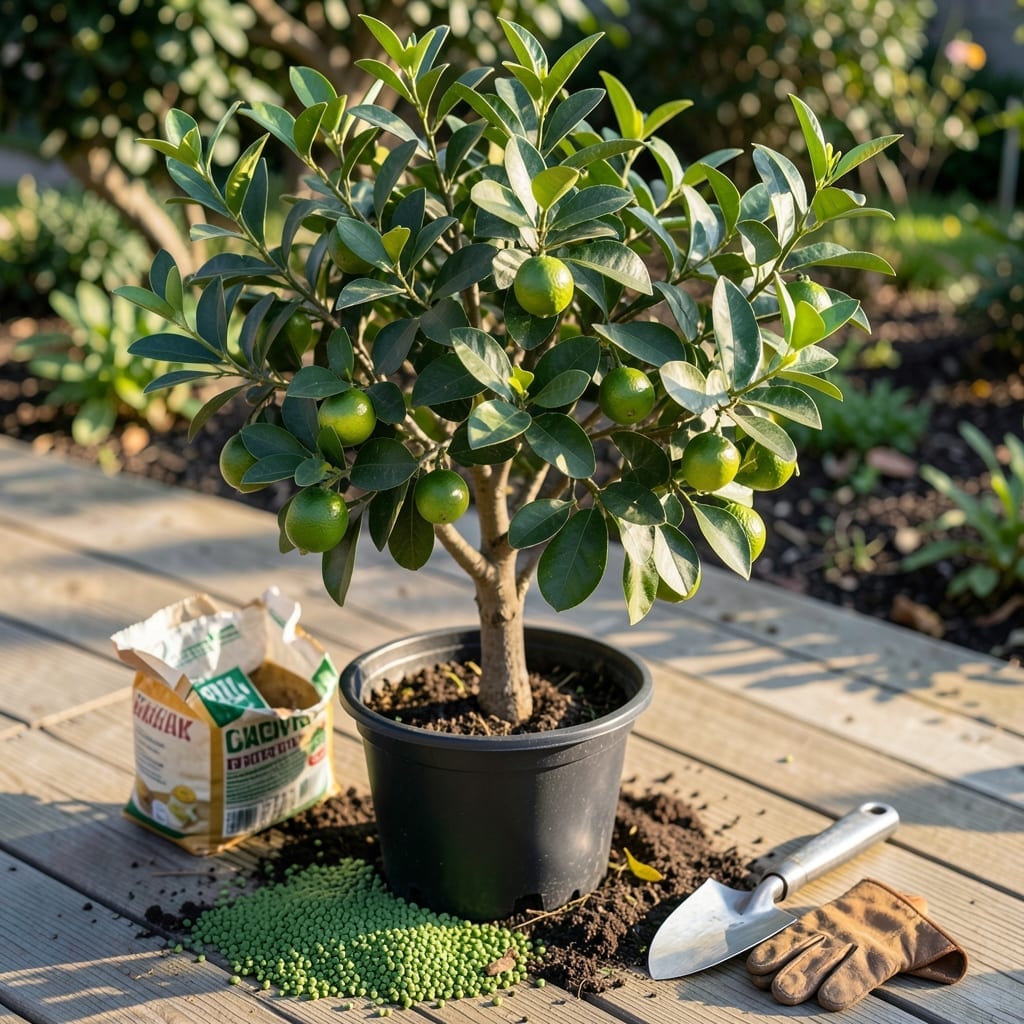
Growing a thriving Key Lime Tree 🍈 requires more than just sunlight and water. The right nutrients can transform a lackluster tree into one bursting with fragrant, tangy limes.
I’ve seen firsthand how the proper feeding schedule makes all the difference. Without it, even the healthiest trees can struggle to produce their signature fruit.
Discover the simple yet effective approach to fertilizing that will keep your Key Lime Tree flourishing year after year in zones 9b-11.
I’ve found that key lime trees thrive when they receive a balanced mix of macronutrients and micronutrients. Without the right fuel, even the sunniest spot won’t guarantee a bountiful harvest. These trees are heavy feeders, so consistency is key.
At the core, your tree needs nitrogen for lush foliage, phosphorus for strong roots, and potassium for fruit production. But don’t overlook magnesium and zinc—deficiencies can stunt growth and reduce yields.
| Nutrient | Purpose | Deficiency Signs |
|---|---|---|
| Nitrogen (N) | Leaf growth | Yellowing leaves |
| Phosphorus (P) | Root development | Stunted growth |
| Potassium (K) | Fruit quality | Poor fruiting |
| Magnesium (Mg) | Chlorophyll production | Yellow leaf veins |
| Zinc (Zn) | Enzyme function | Small, narrow leaves |
Soil pH levels between 6.0 and 7.0 are ideal for nutrient uptake. If your soil is too acidic or alkaline, your tree may struggle to absorb even the best fertilizer. I always test my soil before applying amendments.
A citrus-specific fertilizer with an NPK ratio of 6-6-6 or 8-3-9 works wonders. These blends are tailored to meet the unique needs of citrus trees, including key limes. They often include the micronutrients that standard fertilizers lack.
For young trees, I recommend a balanced fertilizer to encourage overall growth. As the tree matures, you can shift to a formula higher in potassium and phosphorus to support flowering and fruiting.
Organic options like compost, worm castings, or fish emulsion can supplement synthetic fertilizers. They improve soil health and provide slow-release nutrients, which are gentler on the tree.
Remember, over-fertilizing can be just as harmful as under-fertilizing. Too much nitrogen, for example, can lead to excessive leaf growth at the expense of fruit. Stick to the recommended dosage and application schedule for best results.
I’ve seen trees recover dramatically after correcting a zinc deficiency with a simple foliar spray. It’s amazing how quickly they respond when they get the nutrients they need. Always monitor your tree for signs of stress and adjust your approach accordingly.
Finally, watering practices play a role in nutrient absorption. Ensure your tree receives deep, consistent watering to help distribute fertilizers evenly through the root zone. A well-hydrated tree is a well-fed tree.
With the right nutrients and care, your key lime tree will reward you with vibrant growth and an abundance of delicious limes. 🌿
I’ve learned that key lime trees need different fertilizer approaches as they grow. Young trees benefit from a balanced formula to establish strong roots and foliage. Mature trees, however, thrive on higher potassium to boost fruiting.
For young trees, a 6-6-6 NPK fertilizer works well. This balanced mix supports overall growth and helps the tree develop a robust structure. I apply it every 4-6 weeks during the growing season.
| Growth Stage | Recommended Fertilizer | Frequency |
|---|---|---|
| Young Trees | 6-6-6 or 8-3-9 | Every 4-6 weeks |
| Mature Trees | Citrus-specific 8-3-9 | Every 6-8 weeks |
| Organic Option | Compost + Fish Emulsion | Monthly |
Mature trees produce more fruit with a citrus-specific fertilizer like 8-3-9. This ratio emphasizes potassium and phosphorus, which are critical for flowering and fruit development.
I prefer organic fertilizers like compost and fish emulsion for a gentler approach. They improve soil health and release nutrients slowly, reducing the risk of over-fertilizing. Apply monthly for best results.
Seasonal adjustments are crucial. In spring, I start feeding as new growth appears. During summer heat, I reduce frequency but keep the soil moist. In fall, a final feed helps the tree prepare for dormancy.
Always water deeply after applying fertilizer to help distribute nutrients. This prevents fertiger burns and ensures the roots absorb the nutrients effectively. A well-fed tree is a happy, productive tree.
With the right approach, your key lime tree will thrive at every stage of growth. 🌱