
Beautiful Plants For Your Interior
Beautiful Plants For Your Interior
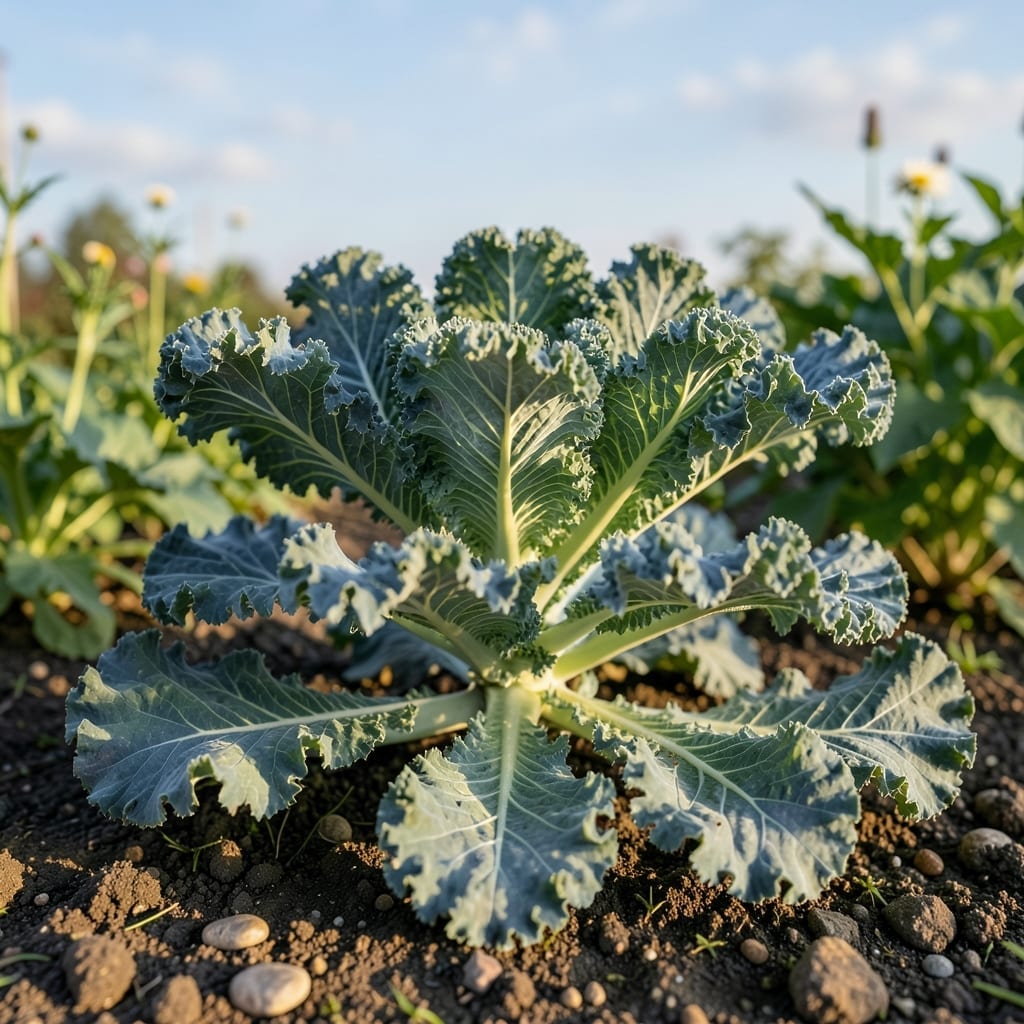
Watching your kale seeds sprout is exciting, but knowing exactly when to harvest ensures the best flavor and texture. The 🥬 Kale you plant in spring can be ready in as few as 30 days, though most varieties thrive at about 60 days.
Understanding this timeline helps you plan successive plantings for a steady supply. Whether you’re growing in USDA Zone 6 or elsewhere, timing your planting in March or August sets you up for success.
I’ve found that tracking these milestones makes all the difference in my garden. It’s not just about patience—it’s about strategy.
Let me walk you through how to optimize your Kale’s growth and get the most from every planting season. The rewards are well worth the effort.
If you’re growing kale in your garden, knowing the days to maturity for each variety is key. Different types of kale mature at different rates, which can impact your harvest timeline and garden planning.
For example, baby leaf kale can be ready in as little as 30 days, while larger, more robust varieties may take 60 to 75 days. This variation means you can enjoy a continuous supply with the right strategy.
| Variety | Days to Maturity | Notes |
|---|---|---|
| Lacinato (Dinosaur) | 60-70 days | Dark, bumpy leaves, great for cooking |
| Red Russian | 50-60 days | Tender, flat leaves, cold-hardy |
| Curly Kale | 55-75 days | Frilled leaves, classic ornamental type |
| Baby Leaf | 30-40 days | Quick harvest, perfect for salads |
I always recommend Lacinato kale for gardeners who want a longer harvest window. Its 60-70 days to maturity gives you plenty of time to enjoy multiple harvests from the same plant.
Red Russian kale is another favorite because it matures in 50-60 days and handles cold weather well. This makes it ideal for fall planting in many regions.
If you’re impatient like me, baby leaf kale is the way to go. With just 30 days to maturity, you can start harvesting young, tender leaves in no time.
For a visual garden impact, Curly kale is hard to beat. It takes 55-75 days to mature, but its ornamental value makes it worth the wait.
Remember, these maturity timelines can vary based on growing conditions. Factors like soil quality, sunlight, and temperature all play a role in how quickly your kale grows.
In my experience, cooler temperatures can actually speed up maturity for some kale varieties, while extreme heat might slow it down. Keep this in mind when planning your planting schedule.
To maximize your harvest, consider staggering your plantings. Sow a new batch of seeds every 2-3 weeks for a continuous supply of fresh kale throughout the season.
☀️Adjusting your kale’s days to maturity gives you control over harvest timing. I use succession planting every 2-3 weeks to ensure a continuous supply of fresh leaves throughout the season.
Temperature plays a huge role in growth speed. Kale thrives in cool weather, so planting in early spring or late summer often results in faster maturation compared to hot summer months.
If you want to delay maturity, plant in partial shade during warmer months. This slows growth but prevents bolting, which can make kale leaves bitter and tough.
For faster results, I start seeds indoors 4-6 weeks before the last frost. This head start can shave 10-15 days off the total time to harvest.
Remember, young kale leaves can be harvested as early as 30 days for baby greens, while full-sized leaves typically need 60-75 days. This flexibility lets you enjoy kale at different stages.
By manipulating these factors, you can fine-tune your kale’s growth to fit your gardening schedule perfectly. It’s all about working with nature’s rhythms.
🌱