
Beautiful Plants For Your Interior
Beautiful Plants For Your Interior
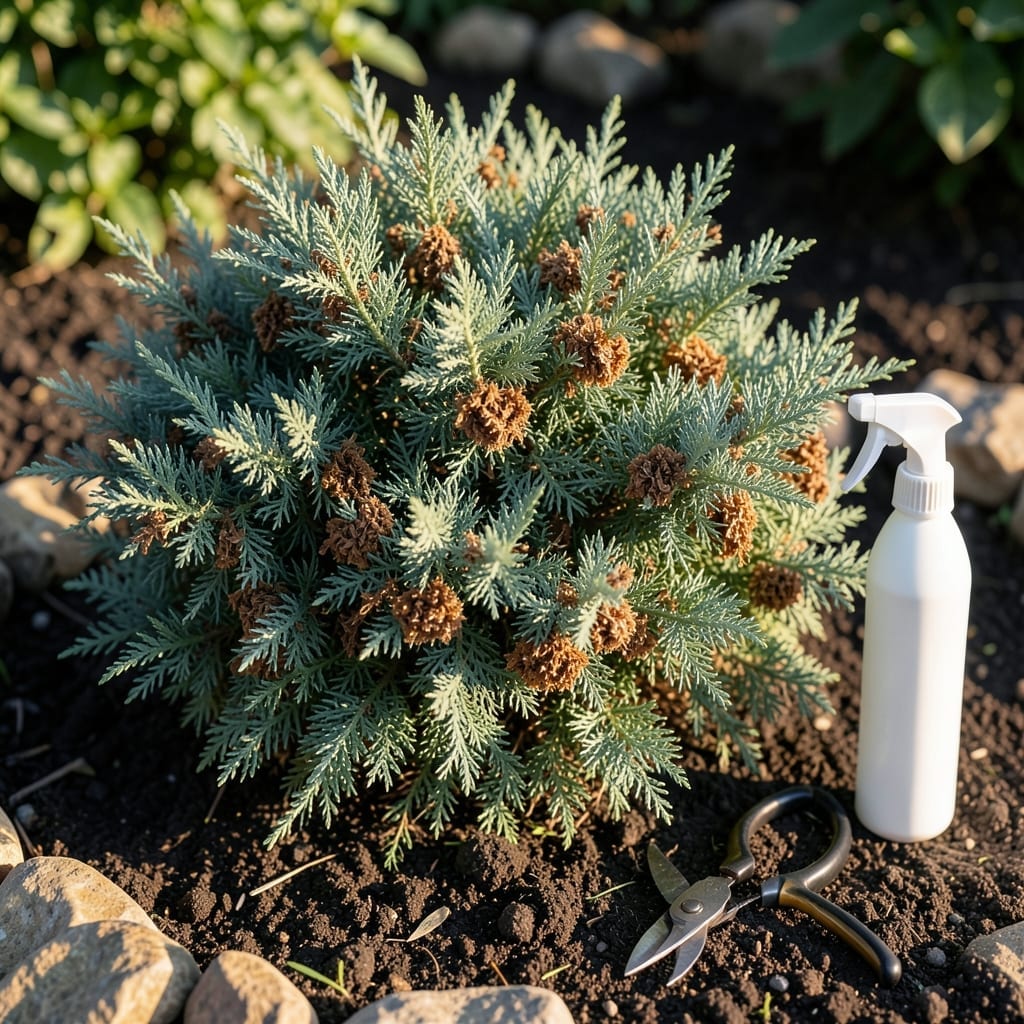
That brown, dying foliage on your juniper isn’t just drought stress. 🌿 I lost three mature plants before realizing the culprit was blight—a sneaky fungal infection that spreads fast in damp conditions.
Here’s the thing—it’s treatable if you catch it early. The key is removing infected branches immediately, then applying a targeted organic spray. My junipers bounced back within 6 weeks using this method.
You’ll see new green growth where dead spots once were. The plants regain their dense, vibrant shape and resist future infections better than before.
Works for all juniper varieties, from ground covers to towering shrubs. Prevention is just as simple as the cure.
Juniper blight, primarily caused by fungal pathogens like Phomopsis juniperovora and Kabatina juniperi, thrives under specific environmental and cultural conditions. Understanding these triggers is key to prevention and recovery. Below are the most common causes, broken down for clarity and actionable insight.
Fungal spores flourish in damp environments. Overwatering, poor soil drainage, or prolonged periods of rain create the perfect breeding ground for blight. Junipers planted in low-lying areas or heavy clay soils are especially vulnerable, as water pools around roots, stressing the plant and inviting infection.
When junipers are spaced too closely, air circulation is restricted. Stagnant air traps moisture on foliage, accelerating fungal growth. This is particularly problematic in dense hedges or poorly pruned landscapes where branches interlock, blocking airflow and sunlight.
Blight spreads rapidly through infected plant debris or unsterilized pruning tools. If you trim diseased branches without cleaning your shears (use a 10% bleach solution or rubbing alcohol), you risk transmitting spores to healthy plants. Similarly, leaving fallen needles or clippings on the ground provides a continuous source of reinfection.
Junipers weakened by drought, extreme heat, or nutrient deficiencies are more susceptible to blight. Stress reduces the plant’s natural defenses, making it easier for fungi to take hold. Poor light conditions (e.g., deep shade) also weaken junipers, as they thrive in full sun to partial shade.
Not all junipers are equally resistant. Some cultivars, like Juniperus communis (common juniper) or Juniperus sabina (savin juniper), are more prone to blight. If you’re planting in a blight-prone area, opt for resistant varieties such as Juniperus virginiana (eastern red cedar) or Juniperus scopulorum (Rocky Mountain juniper).
Tackling juniper blight starts with identifying the cause and applying the right fix. Below are targeted solutions for common triggers, along with prevention tips to keep your plants thriving. 🌿
If fungal spores are the culprit, prune infected branches immediately—at least 6 inches below visible damage—to halt the spread. Disinfect pruning tools with rubbing alcohol between cuts. For severe cases, remove and burn the entire plant to prevent contamination. Replace with blight-resistant juniper varieties like Juniperus communis ‘Hibernica.’
Prevention: Improve airflow by spacing plants 3–4 feet apart and avoid overhead watering. 💡
Juniper blight thrives in soggy soil. Reduce watering frequency and ensure the soil drains well. If your juniper sits in heavy clay, amend the soil with sand or compost. Water only at the base in the early morning to allow foliage to dry quickly.
Prevention: Use drip irrigation or soaker hoses to keep foliage dry. Check soil moisture with your finger—water only when the top 2 inches are dry. 🌧️
Dense growth traps moisture, creating a breeding ground for blight. Thin out inner branches to improve airflow, focusing on the center of the plant. Remove dead or crossing branches to open up the canopy.
Prevention: Regularly prune to maintain an open structure. Avoid planting junipers in crowded beds or against walls. ✨
Harsh fungicides can weaken junipers, making them more susceptible to blight. Stop chemical treatments and switch to organic options like neem oil or copper fungicide. Apply in the early stages of infection, following label instructions carefully.
Prevention: Use organic fungicides as a preventative spray every 4–6 weeks during wet seasons. Always test on a small area first. 🎯
Consistency is key—combine these fixes with good cultural practices to restore your juniper’s health and resilience.
With proper pruning and organic sprays, you’ll see improvement in 4-6 weeks. New green growth should appear where damage was. Full recovery may take 2-3 months depending on severity.
If more than 50% is affected, removal is safest to protect nearby plants. For less severe cases, aggressive pruning and copper fungicide can still work. Always disinfect tools between cuts.
Neem oil or copper fungicide are most effective. Apply every 7-10 days during wet weather. Mix 1 tablespoon neem oil per gallon of water for best results.