
Beautiful Plants For Your Interior
Beautiful Plants For Your Interior
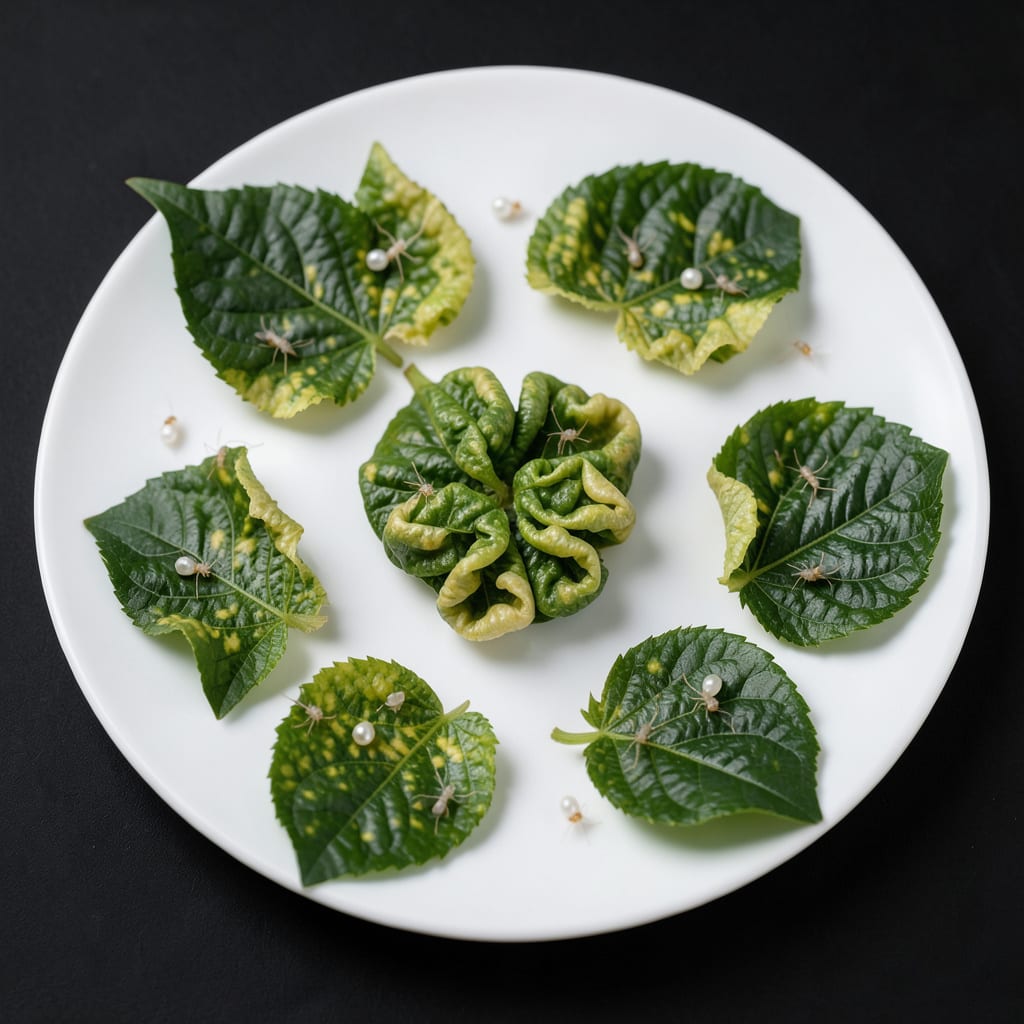
Those curled, distorted jasmine leaves aren’t just unsightly—they’re a red flag. I’ve seen this pattern too many times to ignore the warning signs. The culprit is usually hiding in plain sight, working at a microscopic level while your plant suffers above ground.
What you’re dealing with is a fungal pathogen that thrives in warm, humid conditions. It attacks new growth first, causing leaves to pucker and twist as the infection spreads. The damage looks worse than it is at first, but left unchecked, it can stunt your plant’s growth for the entire season.
Here’s the thing—this isn’t a death sentence for your jasmine. With the right approach, you can stop the spread and nurse your plant back to health. The solution starts with understanding exactly what you’re up against and why it took hold in the first place.
The fix involves simple but consistent steps that most gardeners overlook until it’s too late. Timing matters as much as the treatment itself.
Jasmine leaf curl is primarily caused by fungal pathogens, with Exobasidium spp. being the most common culprit. This microscopic fungus disrupts normal cell growth, leading to the characteristic curling and distortion of leaves. Below are the key causes behind this issue:
The Exobasidium fungus infects jasmine plants through spores that land on leaves. These spores germinate in moist conditions, penetrating the leaf tissue. Once inside, the fungus alters cell division, causing abnormal growth and curling. Warm, humid environments accelerate this process.
While the fungus is the direct cause, environmental factors like excessive rainfall, poor air circulation, or high humidity create ideal conditions for infection. Overwatering or crowded planting can also stress the plant, making it more susceptible to fungal attacks.
Jasmine plants with nutrient deficiencies or physical damage (e.g., from pruning or pests) are more vulnerable. A weakened immune system reduces the plant’s ability to resist fungal spores, increasing the likelihood of leaf curl.
Addressing these causes—through fungicide treatments, improved drainage, and proper plant care—can help prevent or mitigate the issue.
Addressing jasmine leaf curl starts with identifying the causal organism—often a fungal pathogen like Sphaceloma jasmini—and applying targeted fixes. Here’s how to tackle each cause and prevent future outbreaks.
Prune infected leaves and stems immediately to halt the spread. Disinfect pruning tools with rubbing alcohol between cuts. Apply a copper-based fungicide or neem oil spray weekly until symptoms subside. For severe cases, use systemic fungicides labeled for ornamental plants.
Prevention tip: 💡 Improve airflow around plants by spacing them properly and avoiding overhead watering. Water at the base in the morning to allow foliage to dry quickly.
Inspect leaves for aphids, mites, or whiteflies, which can stress plants and spread pathogens. Blast pests off with a strong water spray, then apply insecticidal soap or horticultural oil. For stubborn infestations, introduce beneficial insects like ladybugs.
Prevention tip: ✨ Regularly check undersides of leaves and use reflective mulches to deter pests. Companion planting with pest-repelling herbs (e.g., basil or mint) can also help.
Leaf curl can result from underwatering, overwatering, or extreme temperatures. Check soil moisture—jasmine prefers consistently moist but well-drained soil. Move potted plants to shade during heatwaves and protect them from cold drafts.
Prevention tip: 🌡️ Mulch around the base to retain moisture and regulate soil temperature. Use a balanced fertilizer to strengthen plant resilience.
By combining these fixes with consistent monitoring, your jasmine can recover and thrive. Early action is key!
A microscopic fungal pathogen, like Exobasidium or Sphaceloma jasmini, disrupts cell growth. These spores thrive in warm, humid conditions and alter normal leaf development.
Look for white or grayish fungal growth on curled leaves, often on the undersides. Lab testing is most accurate, but visible spores and rapid spread in wet weather are strong indicators.
Yes, but you must disinfect tools between cuts with rubbing alcohol. Remove all infected foliage and destroy it—don’t compost. Combine this with fungicide for best results.
Soggy soil stresses the plant and creates ideal conditions for fungal spores to take hold. Always water at the base and ensure good drainage.
