
Beautiful Plants For Your Interior
Beautiful Plants For Your Interior
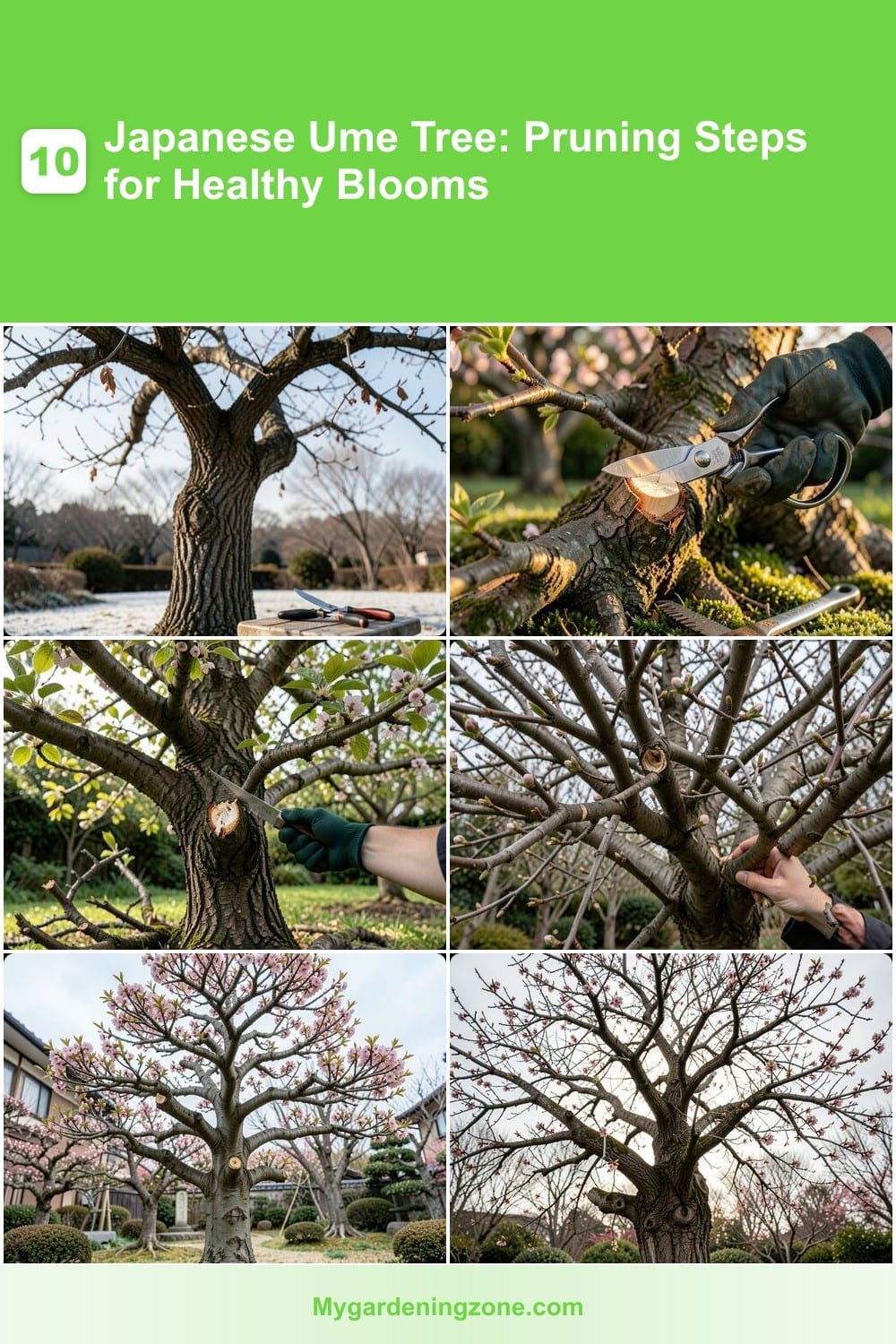
Mastering the art of pruning your Japanese ume tree ensures vibrant blooms and healthy growth. These ten essential steps will help you shape, rejuvenate, and maintain your tree for stunning seasonal flowers and robust foliage.
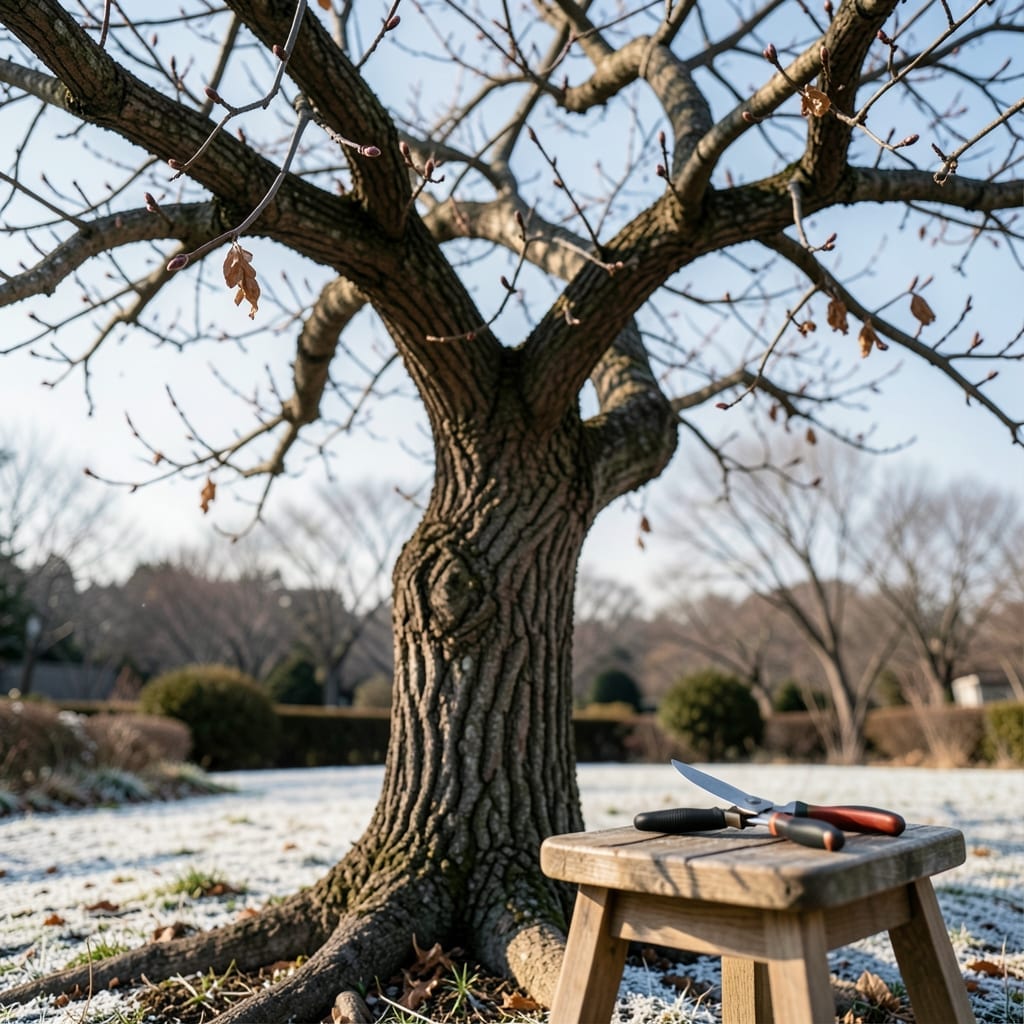
Timing your pruning right can make or break your Japanese ume tree’s blooming season. Prune too early or late, and you risk stressing the tree or cutting off potential flowers.
Late winter is the sweet spot—just before new growth starts but after the harshest cold. This timing avoids interfering with bloom cycles while encouraging vigorous spring growth. The tree is still dormant, so it heals quickly once warmer weather arrives.
This approach is perfect for gardeners who want maximum blooms with minimal stress on their tree. 🌿
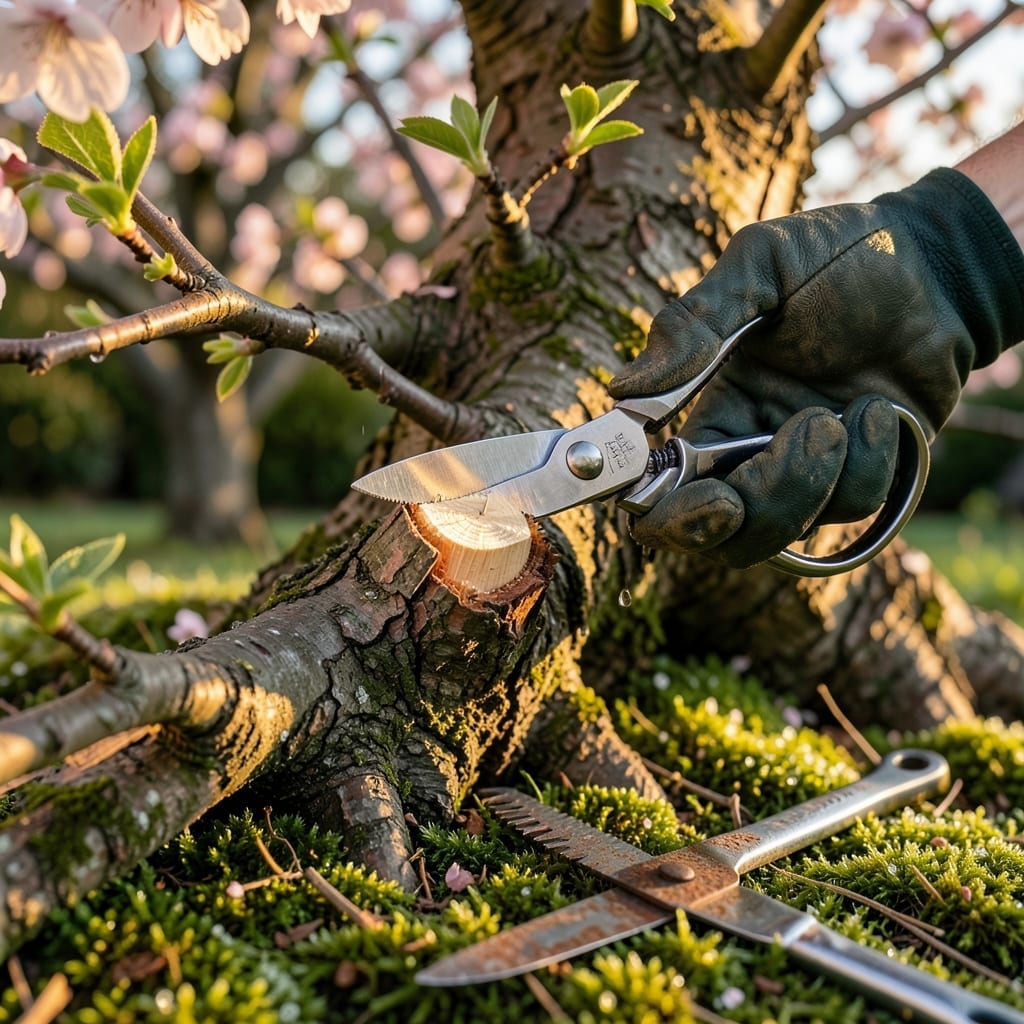
Your Japanese ume tree deserves precision, not guesswork. Dull or dirty tools can turn a simple pruning session into a gateway for disease and slow-healing wounds.
Always use sterilized, sharp pruning shears to make clean cuts that heal quickly. Dull blades tear bark, creating jagged edges that invite infection and delay recovery. A quick wipe with rubbing alcohol between cuts keeps tools safe for your tree.
This simple step protects your tree’s health and ensures vibrant growth for seasons to come. 🌿
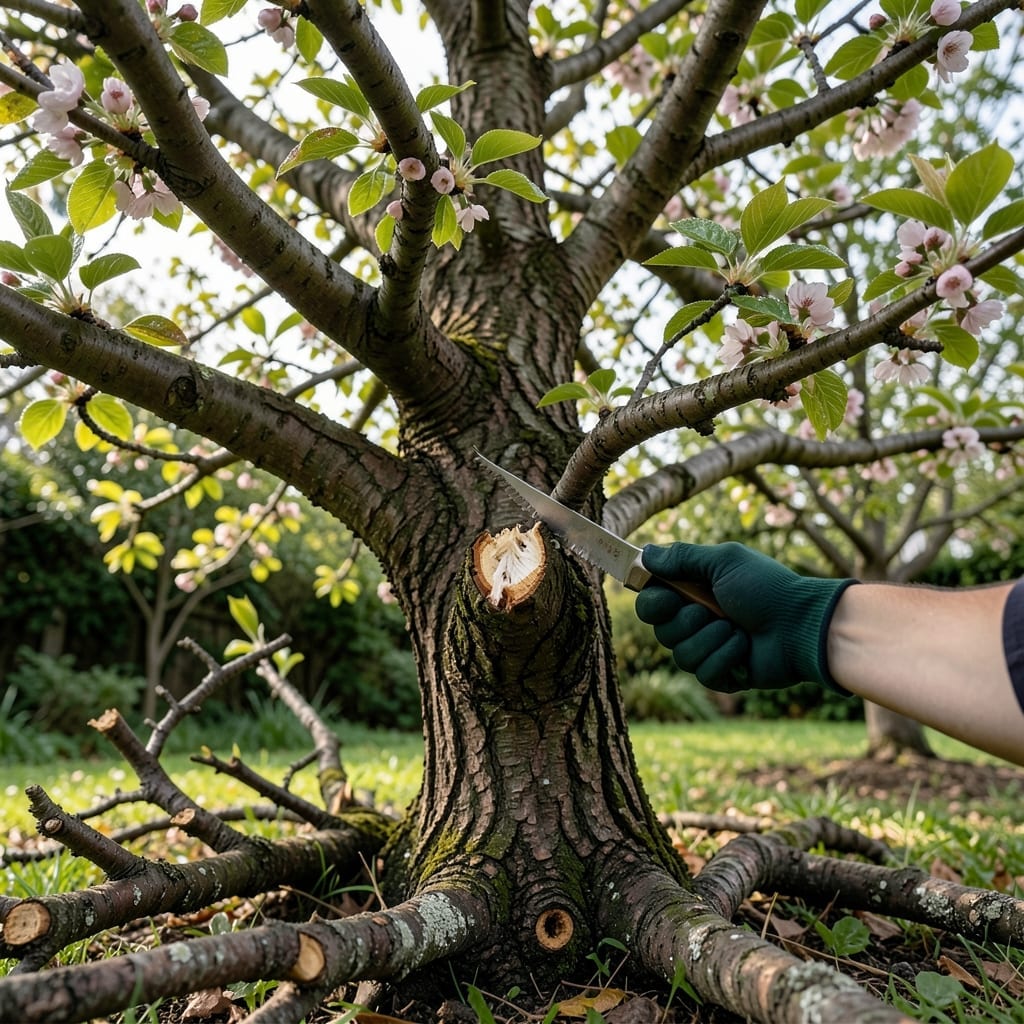
Your Japanese ume tree can’t thrive if it’s carrying dead weight. Removing damaged branches first is the fastest way to boost its health and beauty.
Start by cutting away any dead or diseased wood to improve airflow and prevent fungal infections from spreading. This redirects the tree’s energy to healthy growth and vibrant blooms. Always make clean cuts at the branch collar to help the tree heal properly.
This step is essential for gardeners who want a flourishing ume tree with minimal disease risk. 🌿
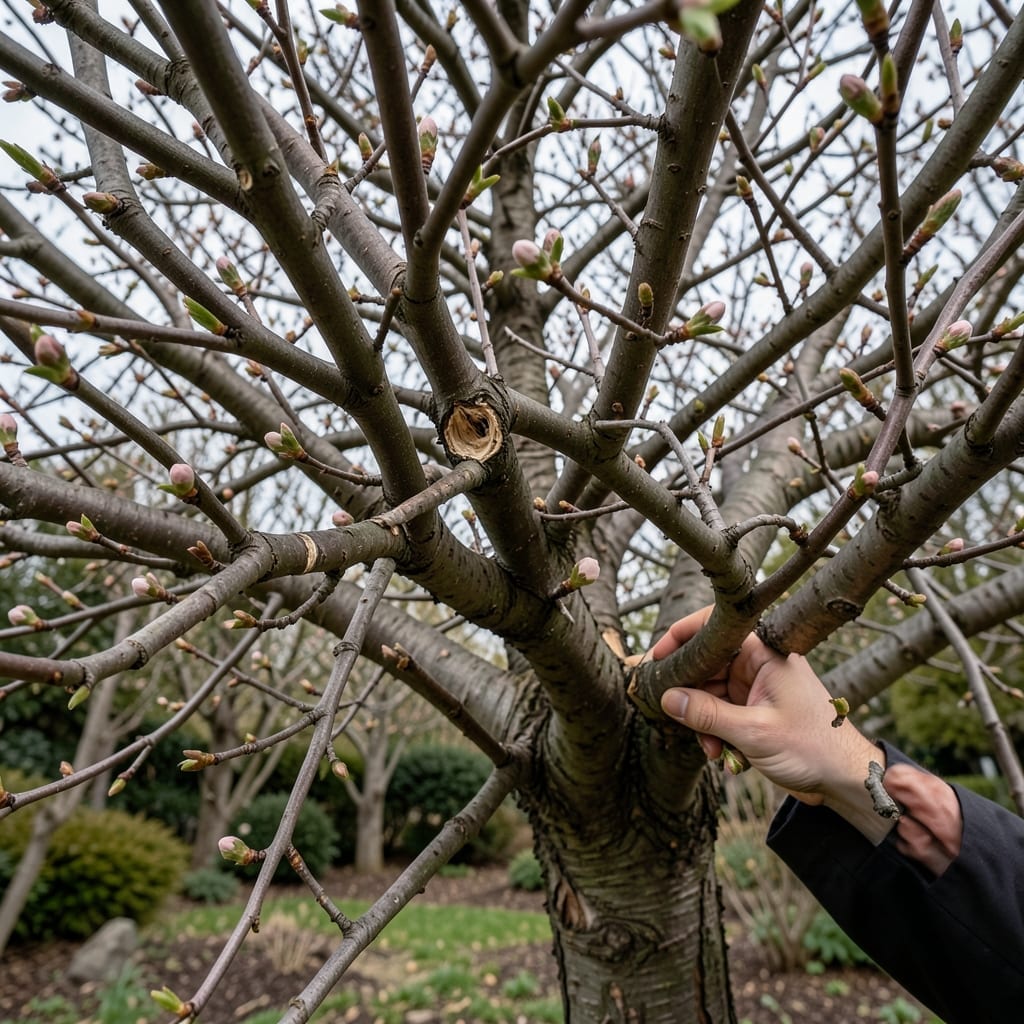
Too many branches competing for space can leave your Japanese ume tree struggling with poor airflow and weak blooms. Thinning crowded areas transforms the canopy into a healthier, more productive structure.
Focus on removing crossing or rubbing branches first, as these create wounds and block light. Aim to open the center to allow sunlight and air to reach inner branches, which reduces fungal risks and encourages uniform flowering.
This step is ideal for gardeners who want lush, pest-resistant blooms with minimal effort. 🌿
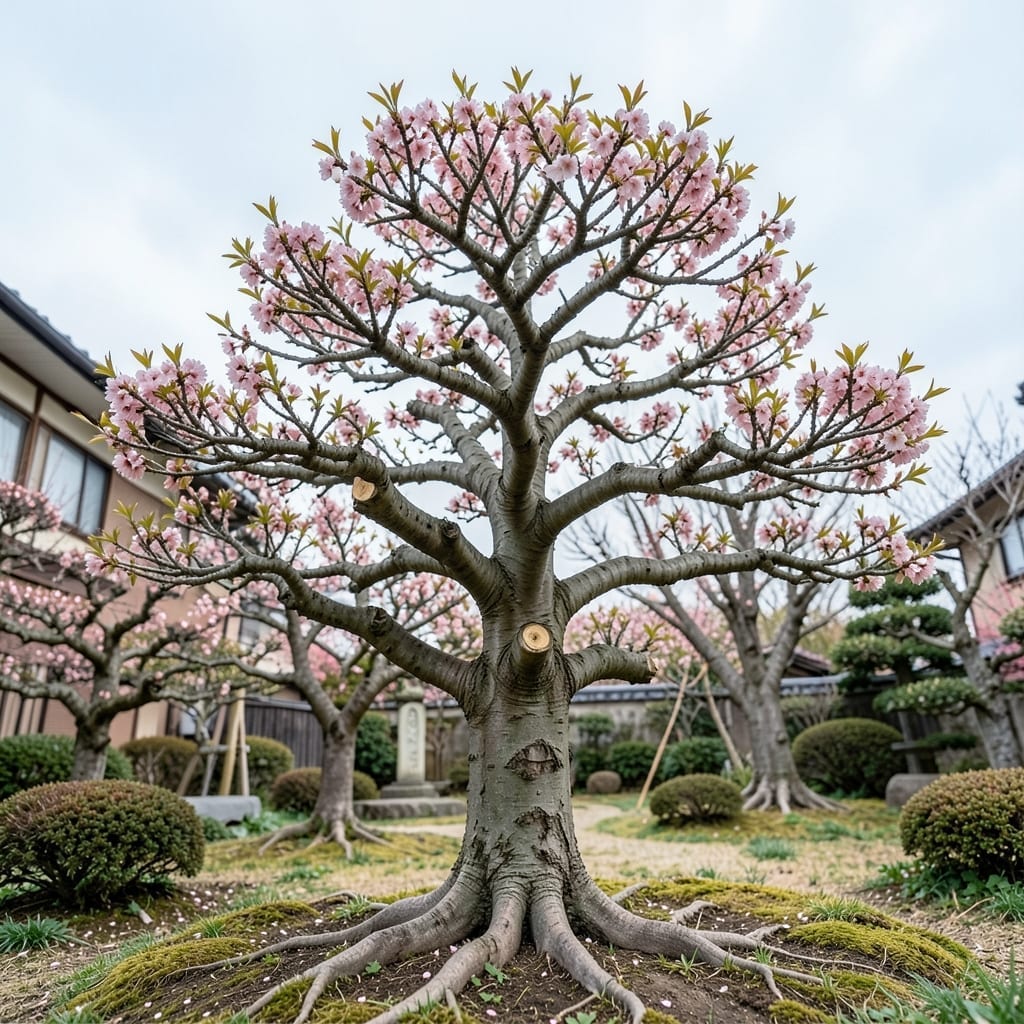
A Japanese ume tree with a balanced structure isn’t just beautiful—it’s healthier and more resilient. Shaping your tree with intention prevents awkward growth patterns and ensures every branch contributes to its natural elegance.
Aim for a symmetrical, vase-like form by trimming back uneven growth while maintaining an open center. This enhances airflow, reduces disease risk, and showcases the tree’s stunning seasonal blooms to their fullest potential.
Perfect for gardeners who love both artistry and practicality in their landscape. 🌿
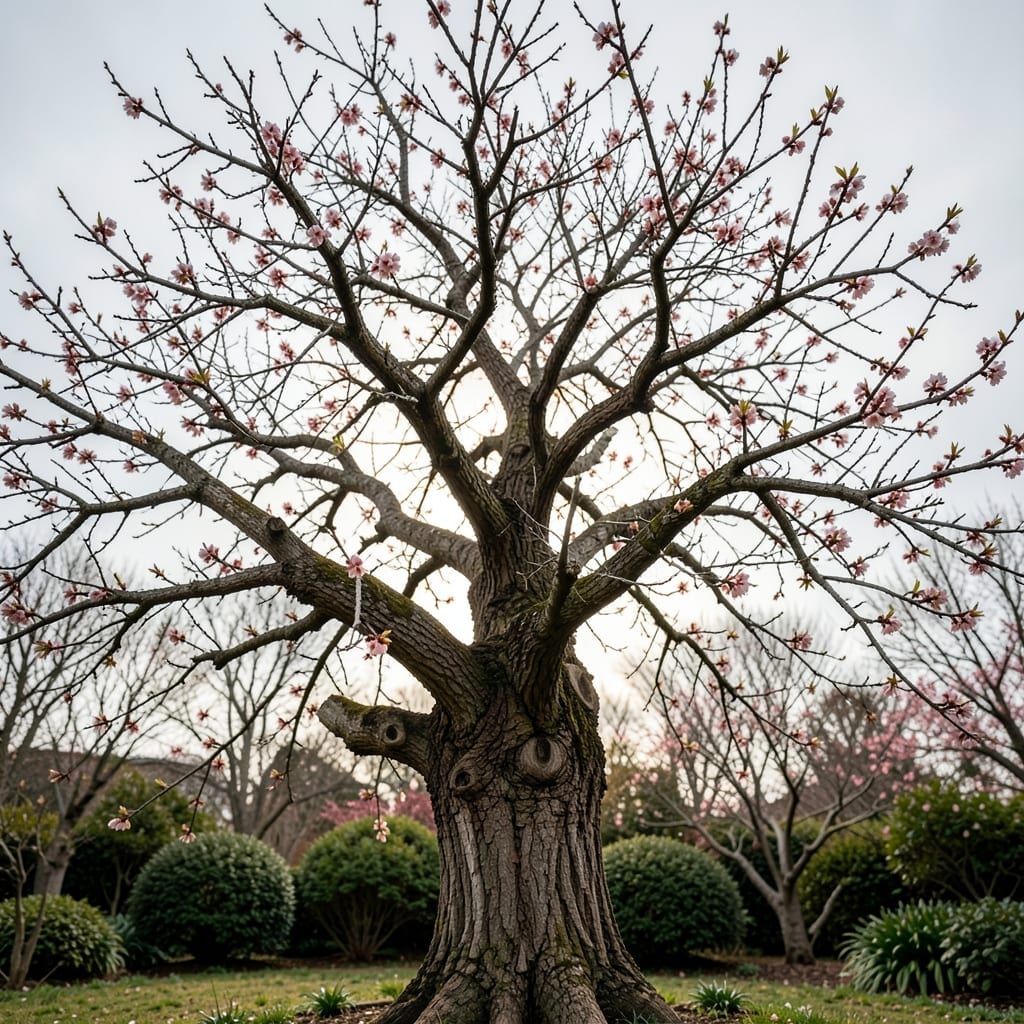
Leggy branches on your Japanese ume tree steal energy from the rest of the plant and disrupt its natural shape. Trimming them back is like giving your tree a breath of fresh air.
Focus on branches that extend beyond your desired silhouette, cutting just above a leaf node or bud to encourage bushier growth. This simple step redirects the tree’s energy to produce more flowering sites and a fuller canopy.
Perfect for gardeners who want a denser, more floriferous tree with minimal effort. 🌿
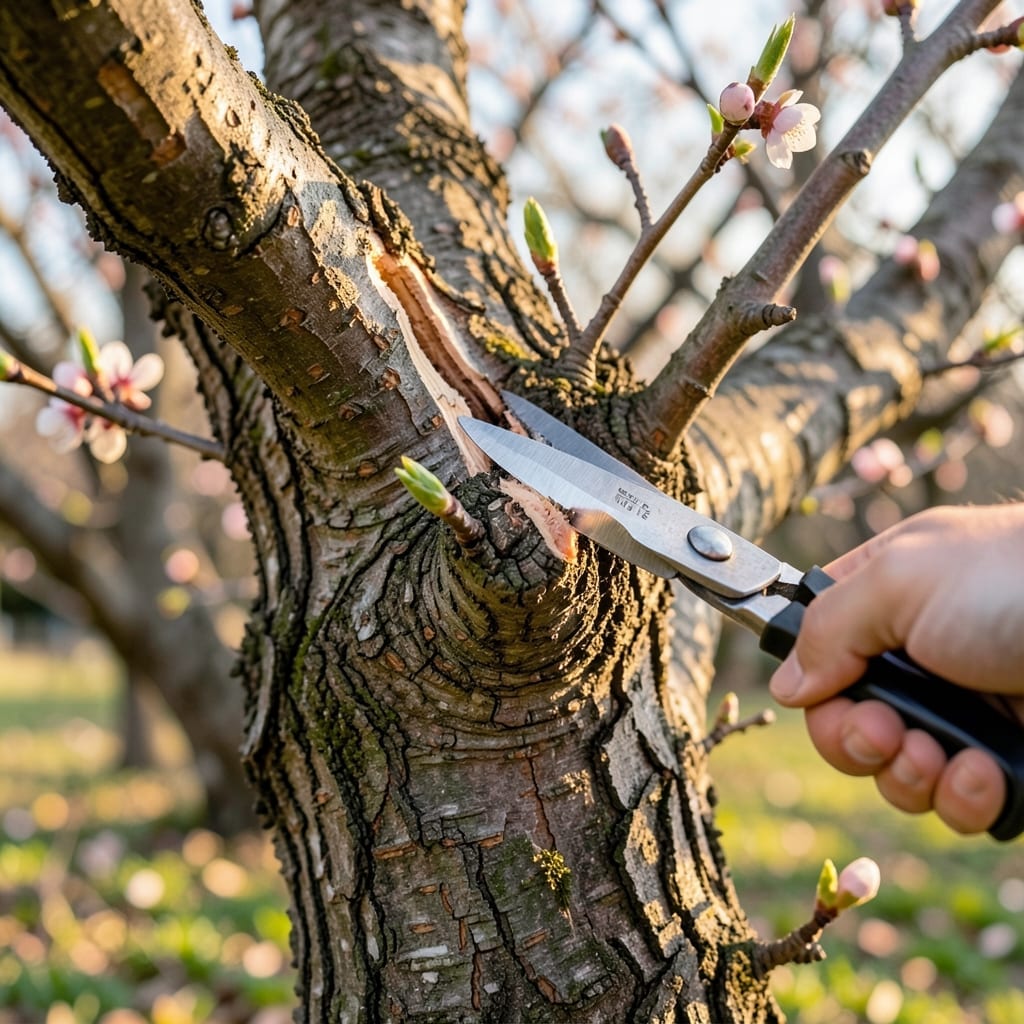
Revitalize an older Japanese ume tree by using strategic cuts to spark fresh growth. Sparse blooms often signal the need for rejuvenation, and this method targets exactly that.
Always make your cut just above a healthy bud, angled slightly away from it. This stimulates the tree to produce new shoots and flowers from that point, filling out bare areas. It’s especially effective for mature trees that have lost their vigor over the years.
Gardeners with aging ume trees will love this simple yet powerful way to restore beauty and productivity. 🌿
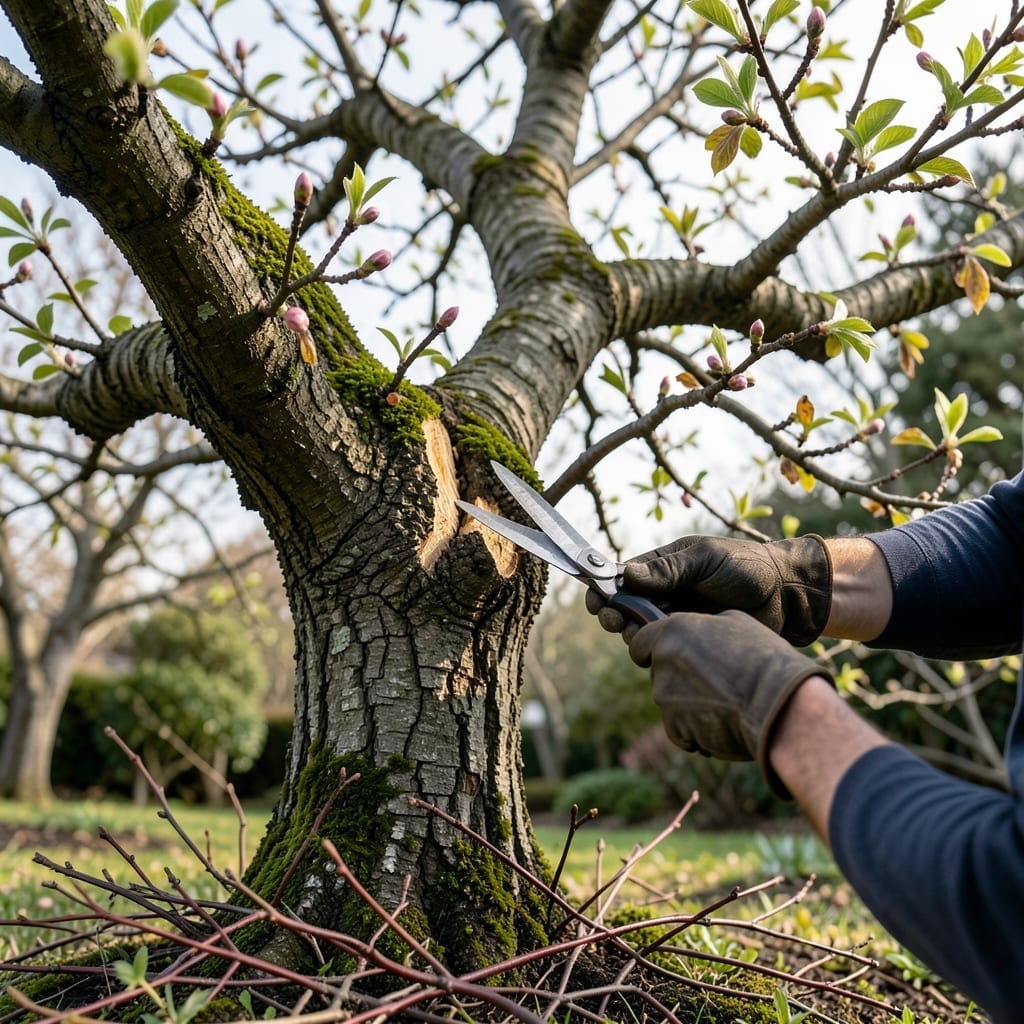
Your Japanese ume tree can handle a trim, but too much at once is like giving it a bad haircut—it takes time to recover. Over-pruning stresses the tree, leaving it vulnerable to pests and slow growth.
Stick to removing only 20-25% of the canopy in a single session. This gentle approach lets the tree heal while still encouraging new, healthy growth. Spread major pruning over multiple seasons if needed.
This method is ideal for gardeners who want steady progress without risking their tree’s long-term health. 🌿
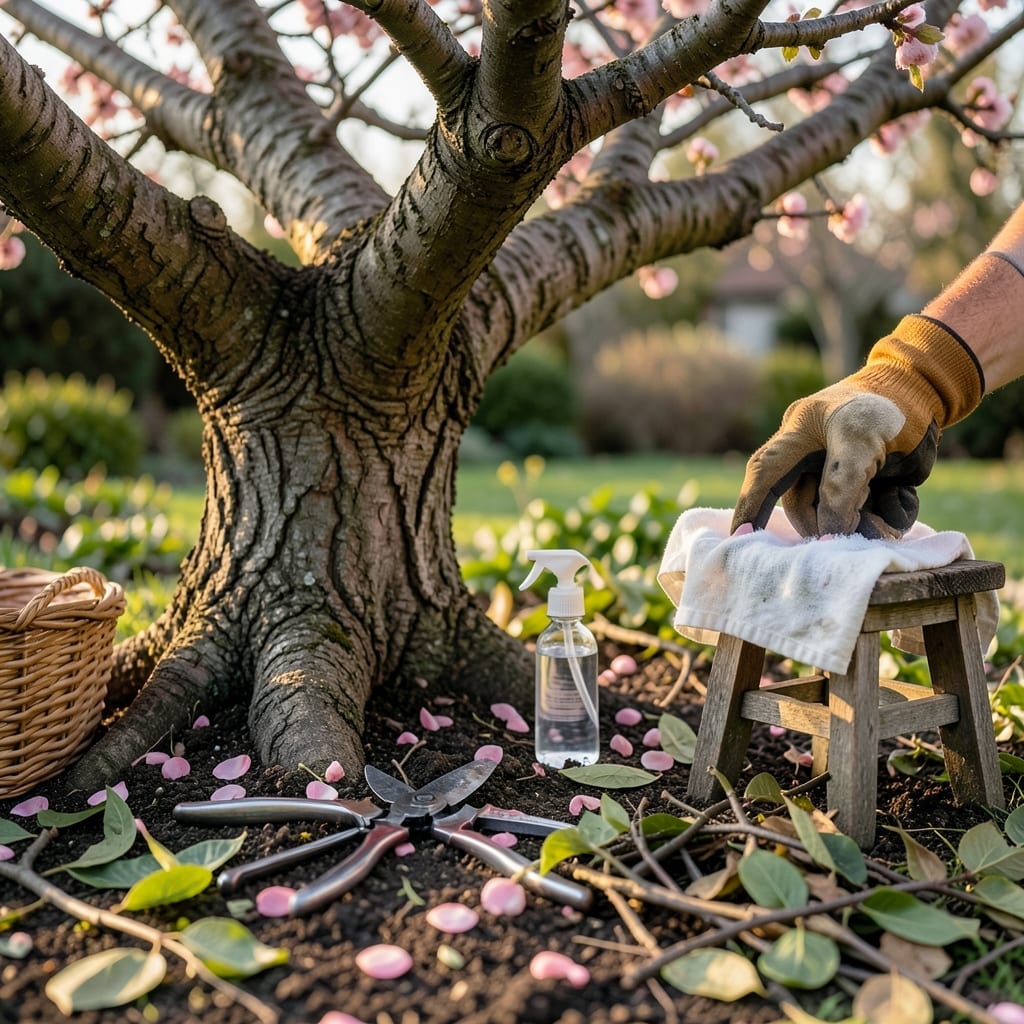
Don’t let your hard pruning work go to waste by skipping this final step. Leaving debris around your Japanese ume tree invites pests and diseases to undo all your progress.
Collect all trimmings and fallen leaves immediately after pruning. Then, sanitize your tools with rubbing alcohol or a bleach solution to prevent spreading pathogens to other plants. This keeps your tree healthy and resilient for the next growing season.
Every gardener who wants a thriving ume tree with minimal problems should make this a non-negotiable habit. 🌿
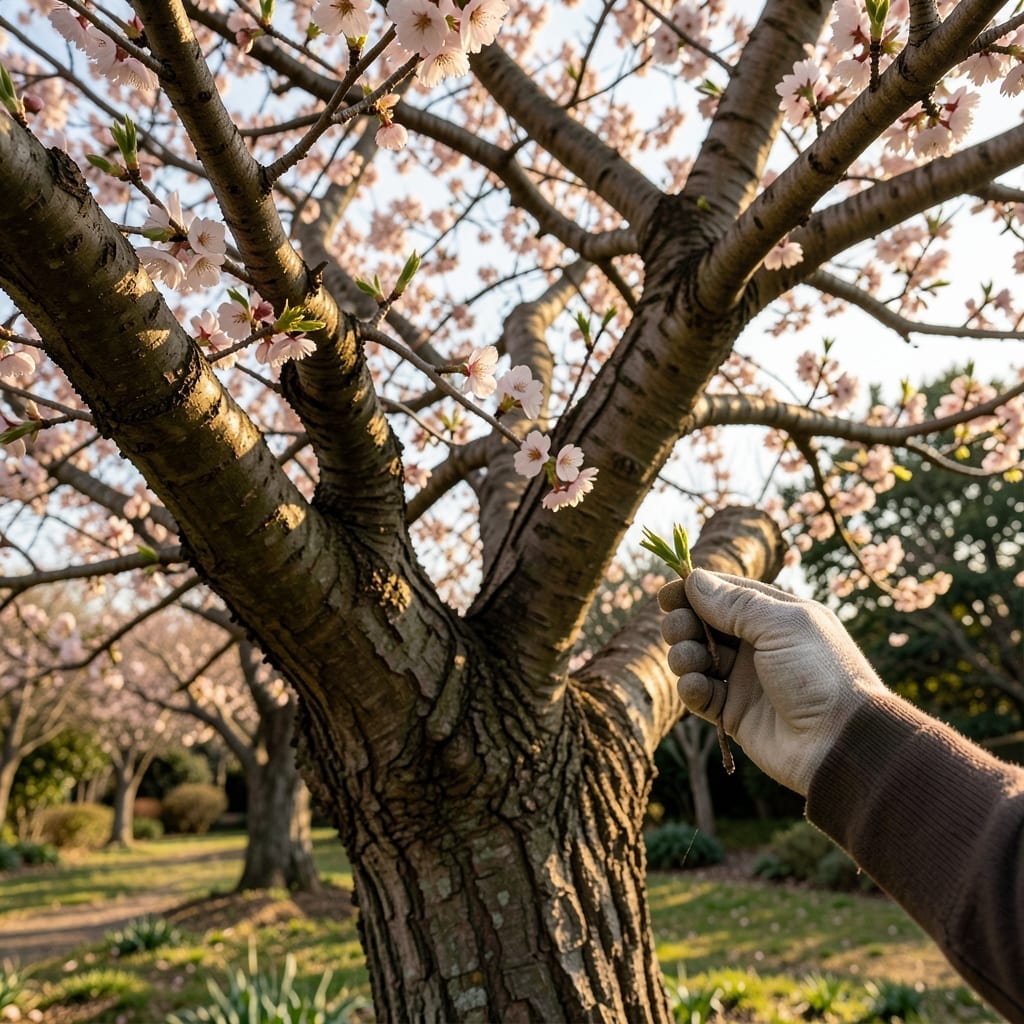
Regular check-ins with your Japanese ume tree are the key to maintaining its health and beauty between major pruning sessions. Small adjustments made early can prevent bigger problems later.
Take a few minutes each month to assess its shape, looking for any new growth patterns or branches that need redirecting. This lets you fine-tune the structure and catch issues like pests or disease before they spread. Consistent attention ensures your tree stays balanced and bloom-ready year after year.
Perfect for gardeners who want to stay ahead of potential problems and enjoy the rewards of a well-maintained tree. 🌿