
Beautiful Plants For Your Interior
Beautiful Plants For Your Interior
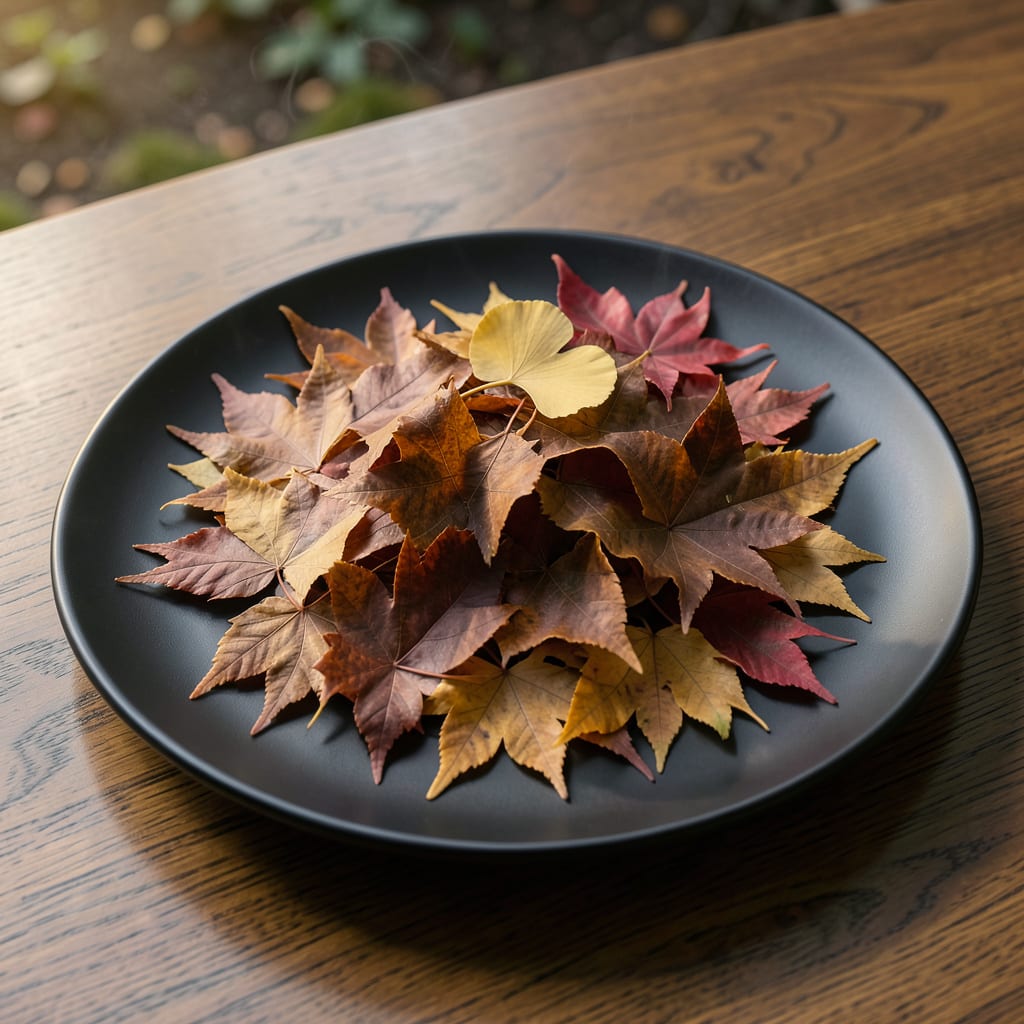
Brown leaves on your Japanese maple don’t mean it’s done for. I’ve saved more than I’ve lost by catching the early signs—scorched edges, crispy texture, or uneven coloring usually point to stress before disease.
Most cases trace back to 3 common culprits: too much sun, inconsistent water, or poor soil. Even a healthy tree can crisp up overnight if the roots dry out or the leaves fry in afternoon heat.
With the right fix, new growth returns in 2-3 weeks. I start by checking moisture at root level, then adjust light exposure and soil nutrients based on what I find.
Works for potted or in-ground trees, and the same approach prevents future browning. Here’s how to diagnose and treat it fast.
Japanese maples are prized for their vibrant foliage, but when leaves turn brown, it’s often a sign of stress. Understanding the root causes helps you act fast to restore your tree’s health.
Extreme temperatures, especially late frosts or scorching heat, can damage the delicate leaves. Japanese maples thrive in USDA zones 5-8, and sudden temperature swings disrupt their cellular function, leading to browning. Drought stress is another culprit—without consistent moisture, the leaves dry out and crisp at the edges.
While these trees love moisture, soggy roots from overwatering or compacted soil suffocate the plant, preventing nutrient uptake. This triggers root rot, which manifests as yellowing or browning leaves. Ensure your soil is well-draining and water only when the top inch of soil feels dry.
A lack of nitrogen, magnesium, or iron often causes leaves to brown, especially between veins (a sign of interveinal chlorosis). Japanese maples in alkaline soils may struggle to absorb iron, leading to iron deficiency. A soil test can pinpoint the issue, and targeted fertilizers (like chelated iron) can correct it.
Spider mites, aphids, or scale insects sap nutrients from leaves, causing browning or stippling. Fungal diseases like anthracnose or leaf spot also create brown patches. Inspect leaves for webbing, sticky residue, or dark spots, and treat with neem oil or fungicides as needed.
Brown leaves on your Japanese maple can often be reversed with the right care. Below are targeted solutions for common causes, paired with prevention tips to keep your tree thriving.
Fix: Check soil moisture 2 inches deep—it should feel like a damp sponge. If dry, water deeply until it drains from the bottom. For soggy soil, let it dry out and improve drainage by mixing in compost. Adjust your watering schedule to once or twice weekly (more in extreme heat).
Prevent: Use a moisture meter 💡 and mulch around the base to retain consistent moisture.
Fix: Move potted maples to dappled shade immediately. For in-ground trees, erect a shade cloth during peak afternoon sun. Trim any damaged leaves to redirect energy to healthy growth.
Prevent: Plant in a spot with morning sun and afternoon shade, and water early in the day to reduce evaporation.
Fix: Remove and destroy infected leaves (don’t compost them!). Apply a copper-based fungicide 🎯, following label instructions. Prune to improve airflow between branches.
Prevent: Avoid overhead watering—use a soaker hose instead. Space plants properly and clean up fallen debris regularly.
Fix: Test your soil (kits are available at garden centers). Amend with a balanced, slow-release fertilizer (10-10-10) or organic options like composted manure. For iron deficiency (common in alkaline soil), use chelated iron supplements.
Prevent: Feed your maple in early spring and late fall with a fertilizer designed for acid-loving plants ✨.
Fix: Blast aphids or mites off with a strong stream of water. For stubborn pests, use neem oil or insecticidal soap, applying in the early morning or evening.
Prevent: Inspect leaves regularly (especially undersides) and encourage beneficial insects like ladybugs.
Once leaves turn completely brown and crisp, they won’t recover. Focus on improving conditions for new growth, which should appear within 2-3 weeks if the tree is healthy.
Check the soil 2 inches deep. If it’s bone dry, underwatering is likely. If it’s soggy or smells sour, you’re overwatering. Adjust your routine accordingly.
Use a balanced 10-10-10 fertilizer or one for acid-loving plants. For iron deficiency, add chelated iron. Always follow package instructions to avoid over-feeding.
Remove only completely dead or diseased leaves to prevent stress. If the browning is minimal, wait to see if the tree recovers before pruning.
