
Beautiful Plants For Your Interior
Beautiful Plants For Your Interior
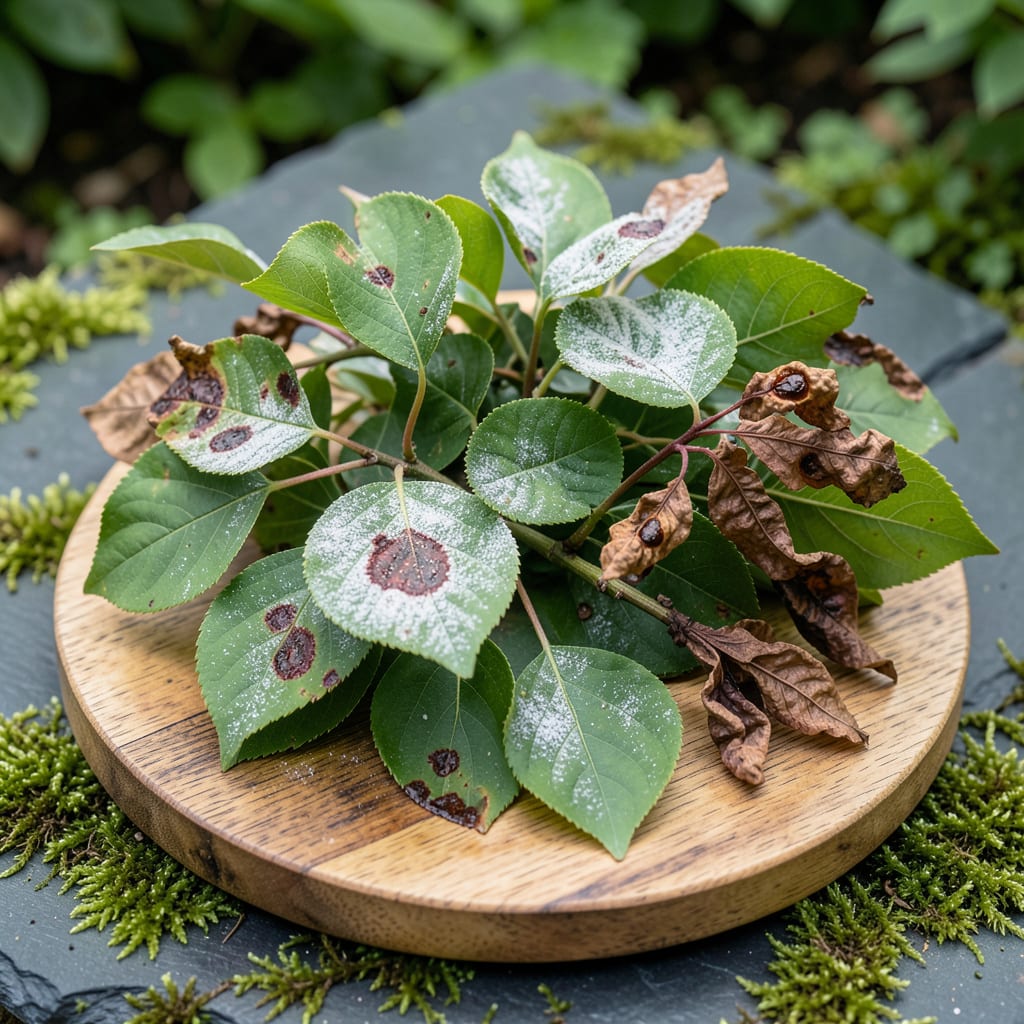
Your Japanese lilac’s leaves turning brown or dropping early isn’t just bad luck. I’ve seen healthy trees decline fast when simple issues go unnoticed, but most problems are preventable with the right knowledge.
Powdery mildew, leaf blight, and scale insects top the list of usual suspects. The good news? These often start as minor annoyances you can catch before they spread. Early action saves you from costly treatments or losing the tree entirely.
Natural remedies like neem oil, proper pruning, and improved airflow work surprisingly well. You don’t need harsh chemicals to keep your tree thriving and disease-free season after season.
Whether your tree is young or established, these steps help you spot trouble early and act fast. Here’s how to protect your investment and enjoy those fragrant blooms without worry.
Understanding the root causes of Japanese lilac tree diseases helps you prevent them before they take hold. Below are the primary factors that make these trees vulnerable.
Fungal diseases like powdery mildew and leaf spot thrive in damp conditions. Overwatering, poor soil drainage, or high humidity create the perfect breeding ground for spores. Trees planted in low-lying areas or heavy clay soils are especially at risk, as water pools around the roots, stressing the plant and inviting infection.
Dense foliage or crowded plantings restrict airflow, trapping moisture on leaves and stems. This stagnant environment accelerates the spread of bacterial blight and anthracnose. Pruning to open the canopy and spacing trees properly can significantly reduce disease pressure.
Insects like aphids, scale, and borers weaken the tree by feeding on its sap or boring into its bark. These wounds serve as entry points for pathogens, leading to secondary infections. A stressed tree is far more susceptible to diseases like verticillium wilt.
Extreme temperatures, drought, or nutrient deficiencies compromise the tree’s natural defenses. For example, drought stress can make Japanese lilac trees more vulnerable to canker diseases, while nutrient-poor soil may stunt growth, leaving the tree less able to fend off invaders.
Fallen leaves, dead branches, and infected plant debris harbor disease-causing organisms. Without proper cleanup, these pathogens can overwinter and reinfect the tree in the next growing season. Regularly removing and disposing of diseased material is a simple yet effective preventive measure.
Tackling diseases in your Japanese lilac tree starts with identifying the issue and applying targeted solutions. Below are practical fixes for common problems, along with prevention tips to keep your tree thriving.
If you notice a white, powdery coating on the leaves, prune dense branches to boost air circulation. Remove and destroy infected foliage to prevent spread. Apply a baking soda solution (1 tablespoon baking soda + 1 quart water + a few drops of dish soap) as a natural fungicide. Prevention tip: 💡 Space trees properly and water at the base to keep leaves dry.
For aphids clustering on new growth, blast them off with a strong water spray or treat with neem oil or insecticidal soap. Introduce beneficial insects like ladybugs for long-term control. Prevention tip: ✨ Encourage biodiversity in your garden to deter pests naturally.
Brown or black spots on leaves signal fungal infections. Rake and destroy fallen leaves to eliminate spores. Apply a copper fungicide or compost tea to protect healthy foliage. Prevention tip: 🌡️ Avoid overhead watering and keep the area around the tree clean.
Yellowing leaves and stunted growth may indicate root rot. Amend heavy soil with compost or sand to enhance drainage. If the tree is in a container, ensure it has drainage holes. Prevention tip: 🎯 Plant in well-draining soil and avoid overwatering.
Look for white powder on leaves, brown spots, or yellowing foliage. These often signal fungal issues like powdery mildew or leaf spot. Early detection makes treatment much simpler.
Excess moisture creates ideal conditions for root rot and fungal growth. Ensure your tree has well-draining soil and avoid waterlogging.
Check leaves and branches weekly during growing season. Pay special attention after rain, as dampness accelerates disease spread.
Yes! Neem oil, baking soda sprays, and copper fungicides work well for most common issues. They’re safe for the tree and environment.
