
Beautiful Plants For Your Interior
Beautiful Plants For Your Interior
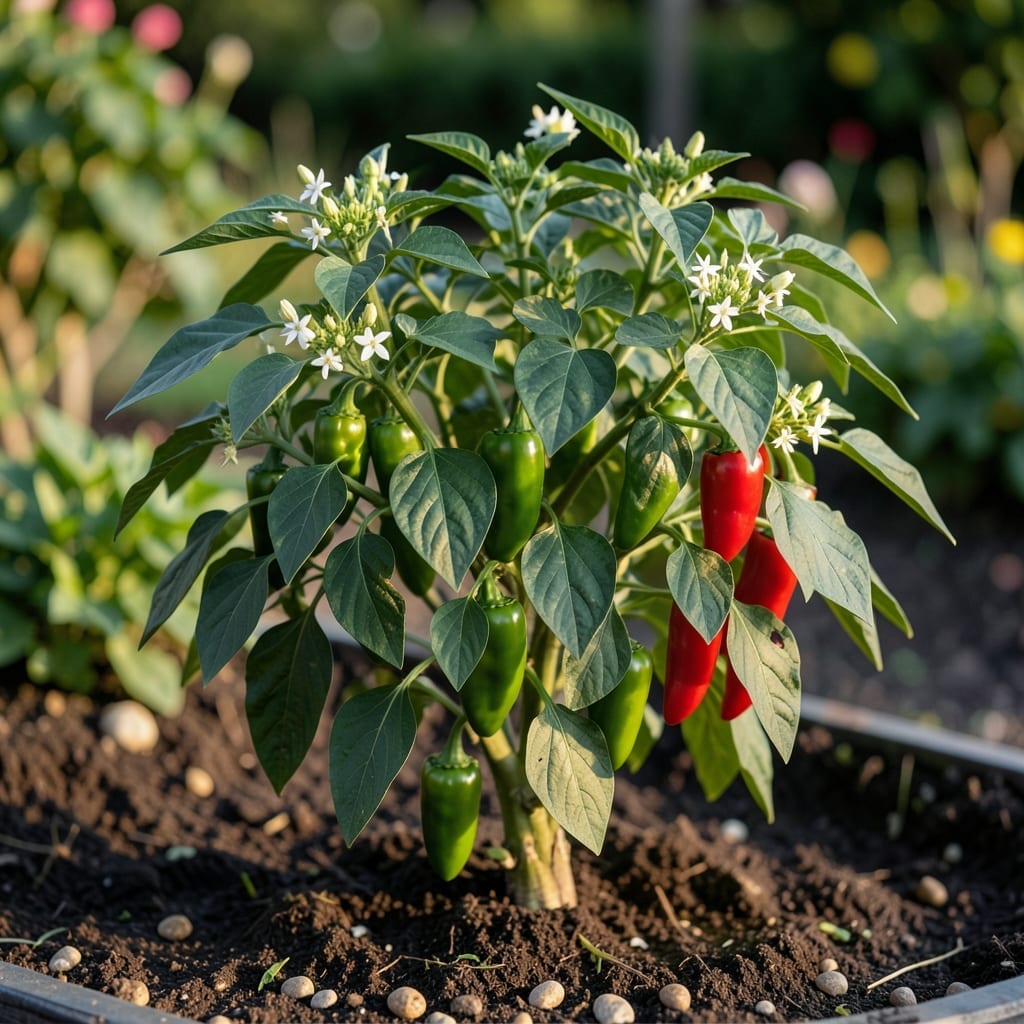
Noticing your 🌶️ Jalapeno Pepper turning red can spark excitement—or confusion—among gardeners. This natural color shift signals ripeness and a flavor transformation.
I remember the first time I saw my peppers change from green to vibrant red. It was the moment I realized how much more complex and flavorful they become at full maturity.
Let me share why this happens and how you can encourage it in your own garden. The process is simpler than you might think.
When your jalapeño peppers start turning red, it’s a sign they’re reaching full maturity. This color change is completely natural and indicates the fruit is ripe.
The transformation from green to red happens as the pepper continues to grow on the vine. It’s not a sign of spoilage but rather a ripening process that enhances both sweetness and heat.
| Stage | Color | Flavor Profile |
|---|---|---|
| Early | Green | Mild heat, grassy taste |
| Maturing | Yellow/Orange | Sweetening, medium heat |
| Fully Ripe | Red | Sweetest, hottest flavor |
The ripening process is driven by ethylene gas, a natural plant hormone. As the pepper matures, it produces more capsaicin, the compound responsible for heat.
I’ve noticed that red jalapeños in my garden have a more complex flavor than green ones. They develop a fruity sweetness that balances their increased spiciness.
This change typically occurs 70-90 days after planting, depending on growing conditions. Warmer temperatures and consistent sunlight speed up the process.
For the best results, I recommend leaving some peppers on the vine longer to turn red. You’ll get a more intense flavor that’s perfect for pickling or drying.
Remember that not all jalapeños turn red—some varieties stay green even when ripe. But for standard jalapeños, that vibrant red color is a sure sign of peak ripeness.
If you want to speed up ripening, try reducing water slightly in the final weeks. This stress can encourage the plant to mature its fruit faster.
The red color isn’t just about taste—it also indicates higher vitamin C content. So those red peppers aren’t just hotter; they’re more nutritious too.
I always get excited when I see that first red jalapeño in my garden. It’s nature’s way of saying your patience has paid off with a flavor-packed reward 🌿
Knowing when to pick your red jalapeños ensures the best flavor and heat. I wait until the peppers are fully vibrant red and firm to the touch.
The ideal harvest window is typically 70-90 days after planting, but this can vary based on growing conditions. Warmer climates may see red peppers sooner.
I always use sharp pruning shears to avoid damaging the plant. Cut the stem about 1/4 inch above the pepper to prevent harm to the vine.
Harvesting in the early morning is best, as the peppers are most crisp. This also reduces stress on the plant during the hottest part of the day.
For continuous harvests, I pick mature peppers regularly. This encourages the plant to produce more fruit throughout the growing season.
Remember, red jalapeños are hotter than green ones. If you prefer milder heat, harvest them earlier when they’re still green or yellow.
Store your harvested red jalapeños in a cool, dry place or refrigerate them for up to a week. Proper storage keeps them fresh and flavorful longer 🌿