
Beautiful Plants For Your Interior
Beautiful Plants For Your Interior
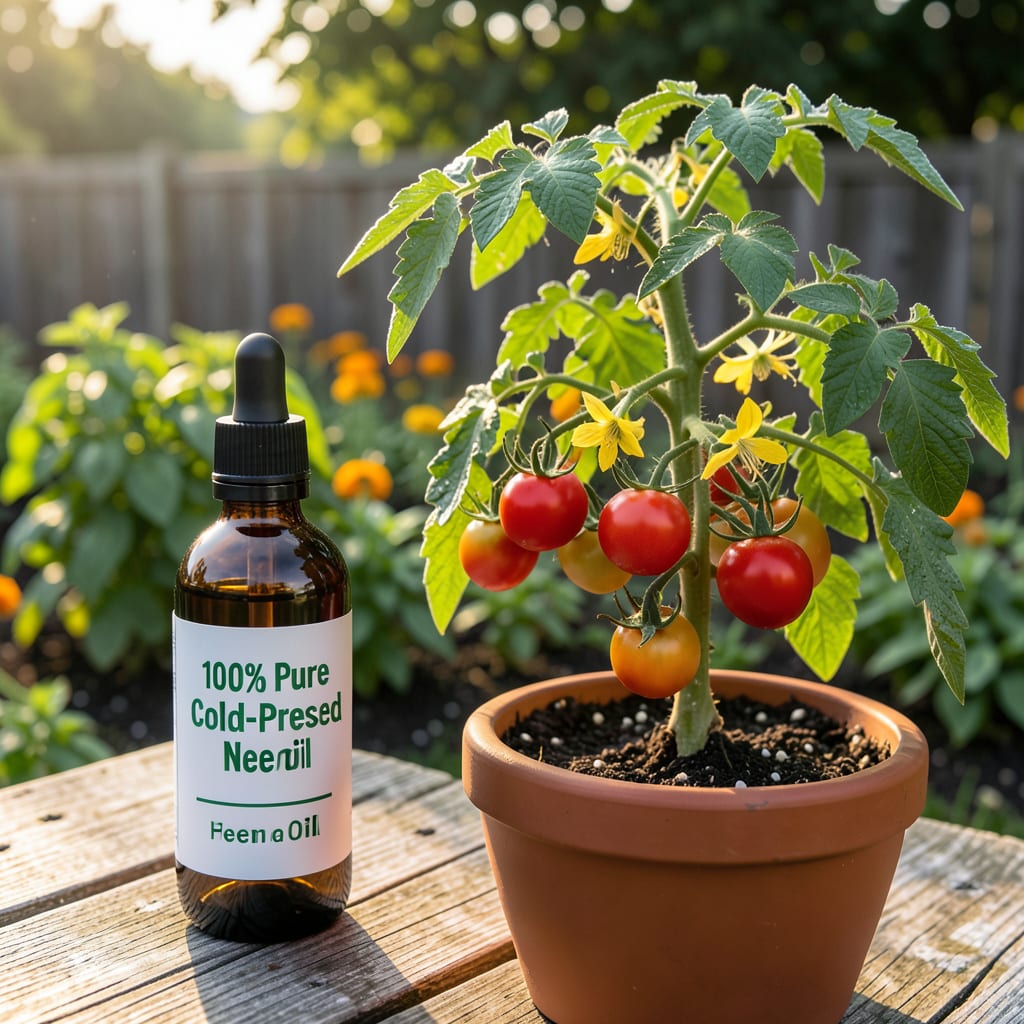
Neem oil is derived from the seeds of the neem tree, making it a natural product, but it’s only considered organic if certified by USDA or OMRI standards. Always check the label for official organic certification.
This distinction matters because “natural” doesn’t automatically mean organic—the certification process involves strict regulations about how the neem seeds are grown and processed. 🌱 I’ve seen many gardeners assume all neem oil is organic, but without that USDA or OMRI seal, it might contain synthetic additives or come from conventionally grown trees. The certification also ensures the extraction methods preserve the oil’s purity, which is crucial for organic gardening systems where chemical residues could disrupt soil health.
💡 In This Article
The USDA’s National Organic Program (NOP) has strict criteria for certifying neem oil as organic. The neem trees must be grown without synthetic pesticides, herbicides, or genetically modified organisms for at least 3 years before harvest.
The seeds are then cold-pressed at temperatures below 122°F to preserve their natural compounds—this method prevents chemical degradation that can occur with heat extraction. What surprises many is that even the water used in processing must meet organic standards, free from contaminants like chlorine or heavy metals. 🌿
The Organic Materials Review Institute (OMRI) takes this further by evaluating every input in the production chain. For neem oil to earn their seal, the entire process—from seed collection to bottling—must avoid prohibited substances like petroleum-based solvents or synthetic preservatives. I’ve seen cases where neem oil lost certification because the storage containers contained non-organic linings.
The final product must contain at least 95% organic ingredients to display the USDA Organic seal, with the remaining 5% strictly limited to approved non-organic substances.
Here’s what most gardeners don’t realize: the certification process includes residue testing. Random samples are analyzed for over 200 prohibited substances, including common agricultural chemicals like glyphosate or malathion. The detection limit is as low as 0.01 parts per million—that’s equivalent to one drop in an Olympic-sized swimming pool.
This rigorous testing explains why certified organic neem oil often costs 20-30% more than conventional versions. The price difference reflects the labor-intensive organic farming practices and documentation required to maintain certification. ✨
The extraction method itself is a critical factor. Certified organic neem oil must use mechanical pressing without chemical solvents like hexane, which is commonly used in conventional processing. The cold-press method retains more azadirachtin (the active compound) while preventing the formation of potentially harmful byproducts.
I’ve compared lab reports from organic versus conventional neem oil, and the organic versions consistently show higher concentrations of beneficial limonoids and lower levels of oxidative degradation. This translates to better pest control efficacy and longer shelf life when stored properly in cool, dark conditions.
There’s an important distinction between “natural” and “certified organic” labels that often confuses buyers. A product can be labeled “natural” if it contains neem oil as the primary ingredient, even if the neem trees were grown with synthetic fertilizers or the oil was extracted using chemical processes.
In contrast, the USDA Organic seal guarantees the entire production chain meets strict standards. I always recommend looking for both the USDA Organic logo and OMRI Listed designation on the label—this combination ensures the product meets standards for both organic farming and organic materials handling. 💛
The certification also extends to how the oil is packaged and transported. Organic neem oil must be bottled in containers made from approved materials (like glass or specific plastics) that won’t leach chemicals into the product. Even the ink used on labels must meet organic standards.
This level of detail explains why some organic neem oil products have simpler packaging—they’re avoiding non-compliant adhesives or dyes. When you see that green USDA seal, it represents hundreds of documented compliance points throughout the product’s journey from tree to shelf.
Not at all! While all neem oil comes from neem tree seeds, only products with USDA Organic or OMRI Listed certifications meet strict organic standards. “Natural” simply means minimally processed, but the trees could have been grown with synthetic pesticides or fertilizers.
Check for both the USDA Organic seal and OMRI Listed logo on the label. Reputable brands also include batch numbers and QR codes linking to certification documents. Avoid vague terms like “eco-friendly” or “all-natural”—these aren’t regulated claims.
The price difference (typically 20-30% higher) reflects strict farming practices, documentation requirements, and residue testing for over 200 prohibited substances. Organic certification also mandates cold-press extraction, which preserves more beneficial compounds but is more labor-intensive.
Technically yes, but there’s a risk of synthetic pesticide residues from conventional farming practices. For edible plants, I strongly recommend certified organic neem oil—it’s tested to ensure no prohibited substances remain. Always apply 3-4 weeks before harvest and wash produce thoroughly.
Keep it in a cool, dark place (like a pantry) in its original container. Unopened, it lasts up to 2 years; once opened, use within 1 year. Avoid refrigeration as condensation can degrade the oil. Glass bottles are ideal for preventing chemical leaching.
