
Beautiful Plants For Your Interior
Beautiful Plants For Your Interior
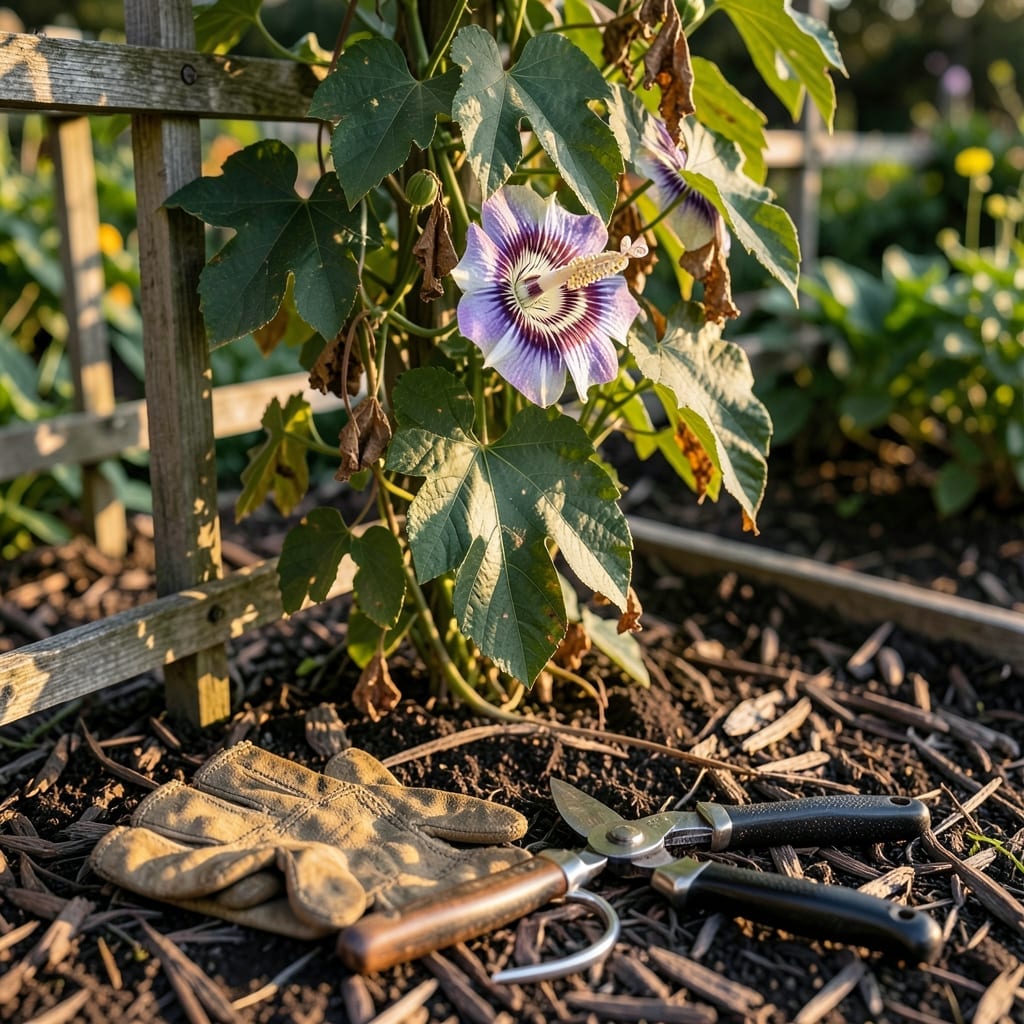
That drooping passion flower might just be sleeping, not dead. I’ve revived more wilted plants than I care to admit by checking the stems first—green means hope.
The usual suspects are overwatering, pests hiding under leaves, or a sudden temperature change. We learned the hard way that soggy soil suffocates roots faster than dry spells do.
Scratch the stem gently. If it’s green underneath, your plant has a fighting chance. Brown means it’s gone, but don’t give up until you’ve checked multiple spots.
Most bounce back with adjusted watering and a pest inspection. We keep a garden journal to track what works—saves us from repeating the same mistakes.
Passion flowers can look lifeless for several reasons, often tied to environmental stress or care mistakes. Understanding the root cause is key to reviving your plant. Below are the most common culprits and how they impact your passion flower’s health.
Passion flowers hate soggy roots. Overwatering or poorly draining soil suffocates the roots, leading to root rot. This fungal disease turns roots mushy and brown, cutting off water and nutrient uptake. Signs: Yellowing leaves, wilting despite wet soil, and a foul odor from the pot. Always use well-draining soil and pots with drainage holes.
These tropical vines thrive in full sun to partial shade. Too little light weakens the plant, causing sparse foliage and stunted growth. Signs: Leggy stems, pale leaves, and fewer blooms. Move your plant to a sunnier spot (6+ hours of direct light daily) or supplement with grow lights indoors.
Passion flowers are sensitive to cold drafts and extreme heat. Temperatures below 50°F (10°C) can trigger leaf drop and dormancy, while heatwaves (above 90°F/32°C) may scorch leaves. Signs: Sudden wilting, blackened leaves, or crispy edges. Protect plants with mulch in winter and shade cloth in summer.
Spider mites, aphids, and scale sap the plant’s vitality by feeding on its juices. Signs: Sticky residue (honeydew), webbing, or visible pests on stems/leaves. Treat with neem oil or insecticidal soap, focusing on leaf undersides where pests hide.
A lack of nitrogen (yellow leaves), phosphorus (poor flowering), or potassium (weak stems) can mimic death-like symptoms. Use a balanced fertilizer (10-10-10) during the growing season, but avoid over-fertilizing, which burns roots.
If your passion flower looks lifeless, don’t give up just yet! Here’s how to diagnose and fix common issues, along with tips to keep it thriving.
If the leaves are yellow and mushy, your plant may be drowning. Stop watering immediately and let the soil dry out. Repot in fresh, well-draining soil if root rot is suspected. Prevention tip: 💡 Water only when the top inch of soil feels dry.
Drooping or brown, brittle leaves often mean thirst or too much sun. Water deeply and move the plant to a spot with bright, indirect light. Prevention tip: ✨ Mist leaves in dry climates to boost humidity.
Aphids, spider mites, or caterpillars can weaken your plant. Spray with neem oil or insecticidal soap, focusing on leaf undersides. Prevention tip: 🎯 Inspect new plants before bringing them near your passion flower.
Lack of flowers? Your plant may need fertilizer or more sunlight. Use a balanced, water-soluble fertilizer every 4–6 weeks in spring/summer. Prevention tip: 🌞 Ensure 6–8 hours of sunlight daily for vibrant blooms.
Soft, black stems signal fungal disease or frost damage. Prune affected areas and treat with fungicide. Move potted plants indoors if temperatures drop below 50°F (10°C). Prevention tip: 🌡️ Avoid overhead watering to prevent fungal growth.
With a little care, your passion flower can bounce back—even if it looks beyond hope!
Scratch the stem gently. If it’s green underneath, your plant is likely dormant. Brown or dry stems usually mean it’s gone. Check multiple spots for accuracy.
Overwatering is the top culprit. These plants prefer soil to dry slightly between waterings. Soggy roots lead to rot, which can be fatal. Always use pots with drainage holes.
Yes, if the roots are still firm and white. Prune dead growth, adjust watering, and provide bright, indirect light. Most bounce back within 2-3 weeks with proper care.
Give it at least 4-6 weeks of consistent care. If no new growth appears after this period, it may be time to replace the plant. Patience often pays off!