
Beautiful Plants For Your Interior
Beautiful Plants For Your Interior
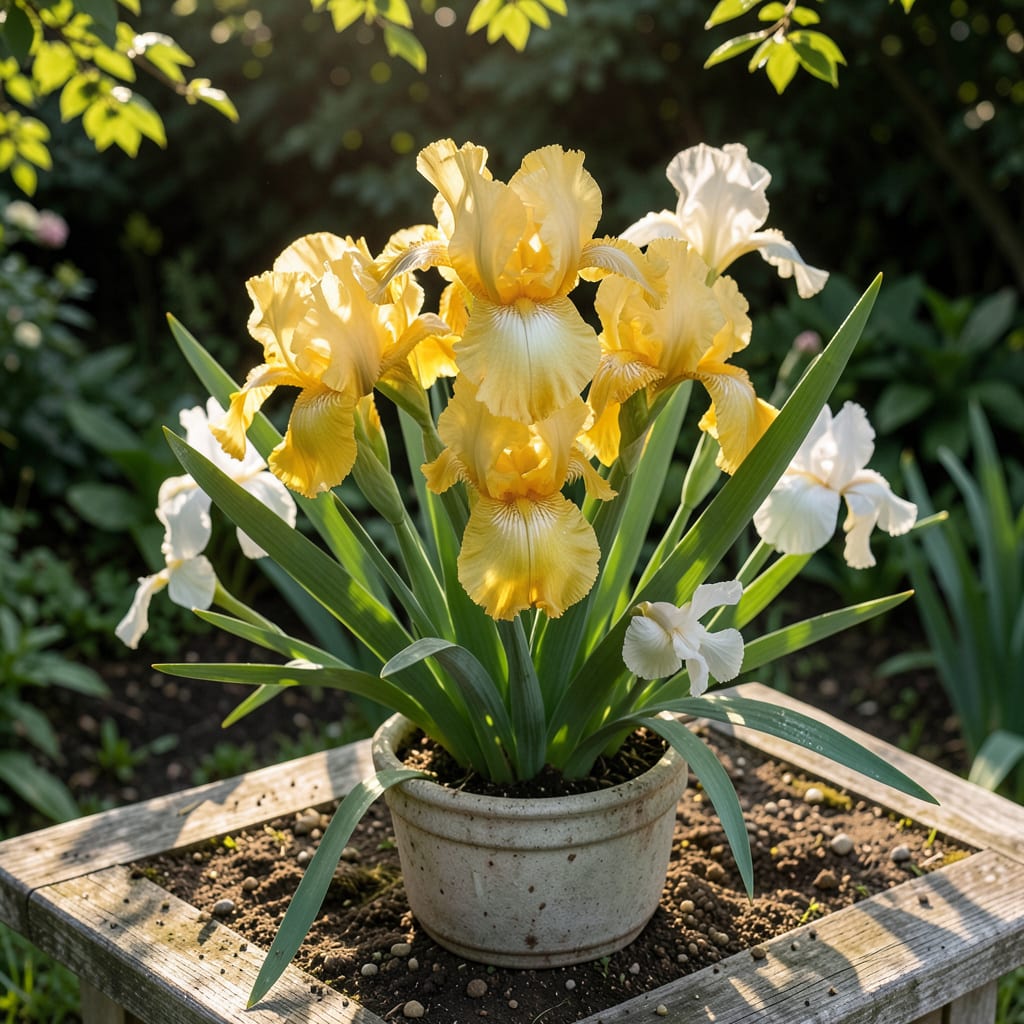
Sunlit borders come alive with yellow and white iris in full bloom. I planted my first clump three years ago and they’ve multiplied into a showstopper every May since.
These irises thrive in well-draining soil and full sun, rewarding you with bold color that pops against green foliage. Minimal care, maximum impact—just divide clumps every 3-4 years to keep them vibrant.
📚 In This Guide
Here’s the method I use to create stunning contrast in garden borders with these vibrant varieties.
Choose a location with full sun to partial shade—these irises thrive in 6+ hours of sunlight daily. The soil should drain well to prevent rhizome rot, so avoid low-lying areas where water pools after rain. Test drainage by digging a 12-inch hole and filling it with water; if it drains within 2-3 hours, you’re good to go.
Work the soil to a depth of 12-15 inches, removing rocks and breaking up clumps. I mix in a 2-3 inch layer of compost to improve fertility and structure. This ensures the rhizomes can spread easily while accessing nutrients. Avoid fresh manure—it’s too strong and can burn new plantings.
Dig shallow holes spaced 12-24 inches apart, depending on the mature size of your variety. Place each rhizome horizontally in the hole, with the top partially exposed to sunlight. This is critical—burying them too deep causes rot and prevents blooming.
Gently firm the soil around the rhizome to eliminate air pockets, but don’t press too hard. Water thoroughly after planting to settle the soil, ensuring the roots make good contact. You’ll see new growth emerge in 2-3 weeks if conditions are right.
Water deeply once a week for the first month, then reduce to every 10-14 days once established. These irises are drought-tolerant but perform best with consistent moisture during their first growing season. Always water at the base to keep foliage dry and prevent disease.
Apply a balanced, low-nitrogen fertilizer (6-10-10 or similar) in early spring and again after blooming. Avoid high-nitrogen mixes—they promote leafy growth at the expense of flowers. You’ll notice stronger stems and more vibrant blooms the following year with this approach.
Divide clumps every 3-4 years to prevent overcrowding and maintain vigor. Use a sharp knife to separate rhizomes, discarding any soft or diseased portions. Replant the healthiest rhizomes immediately, spacing them as before.
Deadhead spent blooms to encourage more flowers, but leave the foliage intact until it yellows in fall. This allows the plant to store energy for next year’s display. A light layer of mulch in late fall protects rhizomes from freeze-thaw cycles, but keep it 1-2 inches away from the rhizome to prevent rot.
These insights will help you avoid common pitfalls when establishing these vibrant blooms.
Sunlight Requirement: These irises need 6+ hours of sunlight daily to thrive. If planting in partial shade, ensure they still receive morning sun, which is less intense and helps prevent rhizome rot while promoting vibrant blooms.
Drainage Test: The 2-3 hours drainage test from Step 1 is non-negotiable. If water doesn’t drain within this timeframe, consider amending the soil with sand or choosing a raised bed. Rhizome rot is the most common killer of new iris plantings.
Planting Depth: In Step 2, that detail about keeping the top partially exposed to sunlight is critical. I learned this the hard way after losing several rhizomes to rot. The exposed portion needs sunlight to dry properly between waterings.
Mulching Technique: That 1-2 inches away from the rhizome rule in Step 4 prevents moisture buildup against the rhizome. Use organic mulch like straw or shredded bark, and remember—this is about protection from freeze-thaw cycles, not moisture retention.
The best time to plant these irises is late summer to early fall, allowing roots to establish before winter. This ensures vibrant blooms the following spring.
They thrive in full sun, needing at least 6-8 hours of direct sunlight daily. Partial shade works in hotter climates but may reduce flowering.
Pair them with lavender, salvia, or daylilies for a complementary color contrast. Avoid plants that compete for moisture, like aggressive ground covers.
Yellowing leaves often signal overwatering or poor drainage. Check soil moisture and ensure the rhizomes aren’t submerged. Nutrient deficiencies or pests may also be culprits.
Yes! Use a large pot with well-draining soil and full sun exposure. Divide and repot every 2-3 years to prevent overcrowding and maintain blooming vigor.
