
Beautiful Plants For Your Interior
Beautiful Plants For Your Interior
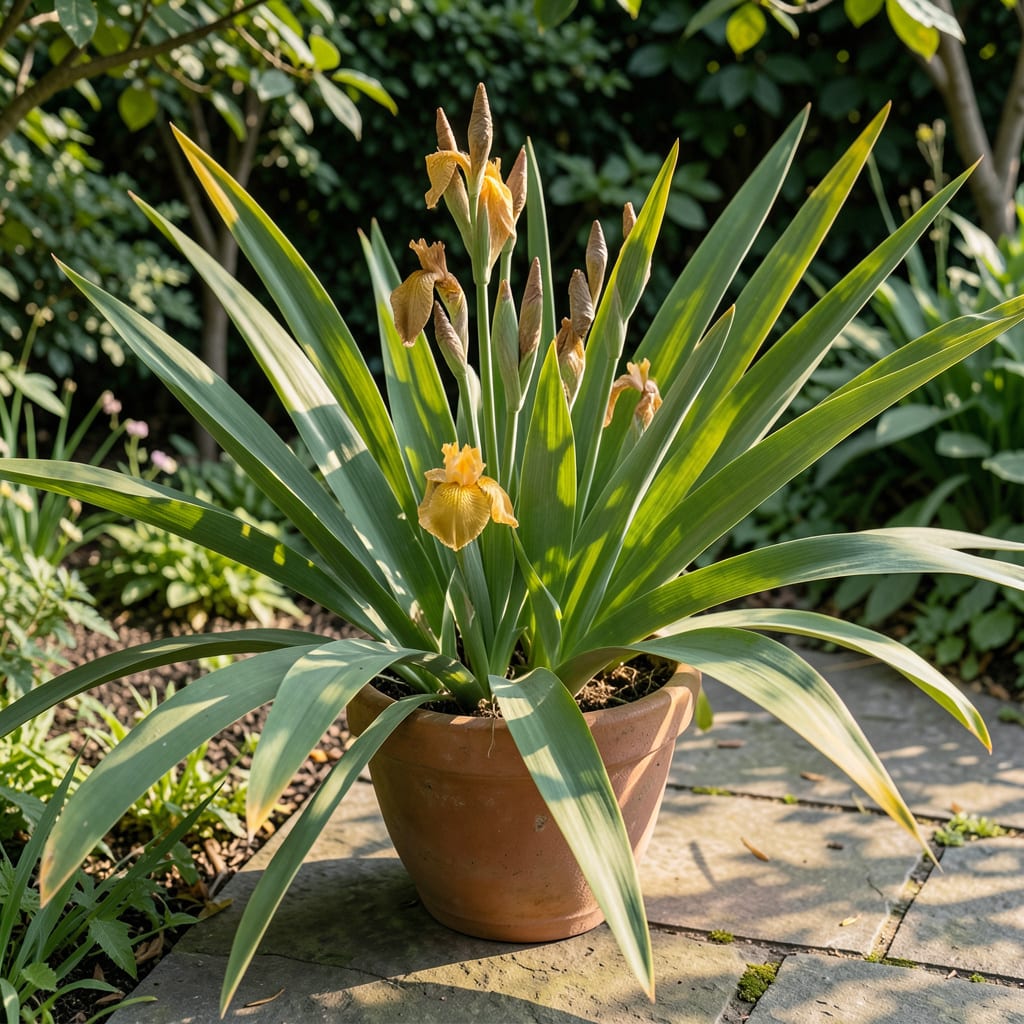
Yellow iris leaves always signal something’s off. I’ve seen this happen with overwatering, poor drainage, or when the soil pH drifts too far from what irises need.
Most times it’s a nutrient imbalance—either too much nitrogen or not enough iron. The leaves turn yellow, but the veins stay green, and the plant looks starved even if you’re feeding it.
Fixing it starts with a soil test. You’ll often find the pH is too high, locking out essential nutrients. Lower it with sulfur or peat moss, and the color returns within 2-3 weeks.
Works for bearded, Siberian, and Japanese irises alike. Here’s how to diagnose and correct it fast.
Yellowing leaves on iris plants, known as chlorosis, signal underlying stress. The most common triggers stem from environmental, nutritional, or pathological factors. Below are the primary causes, explained with actionable insights.
Iris leaves often turn yellow due to a lack of essential nutrients, particularly nitrogen, iron, or magnesium. Nitrogen deficiency causes uniform yellowing (starting with older leaves), while iron deficiency leads to interveinal chlorosis—yellowing between green veins, especially in alkaline soils (pH > 7.5). Magnesium deficiency appears as yellowing with brown spots or leaf margins. Test your soil to confirm deficiencies before amending with a balanced fertilizer or chelated iron.
Iris rhizomes rot in soggy soil, depriving roots of oxygen. This stress manifests as yellow, wilted leaves. Re-bearded irises (e.g., German irises) are especially susceptible. Ensure planting beds have well-draining soil and avoid overhead watering. If root rot is suspected, dig up the rhizome, trim affected areas, and replant in drier conditions.
While irises thrive in full sun (6+ hours daily), excessive heat or sudden temperature swings can scorch leaves, turning them yellow or brown. Conversely, too little light weakens the plant, reducing chlorophyll production. Relocate stressed plants to a spot with consistent sunlight and mulch to stabilize soil temperature.
Pathogens like Fusarium or bacterial leaf blight disrupt nutrient uptake, causing yellow, spotted, or wilting leaves. These often follow wet, humid conditions. Remove infected foliage immediately to prevent spread, and apply a copper-based fungicide. Improve airflow by spacing plants and avoiding evening watering.
Iris plants prefer slightly acidic to neutral soil (pH 6.0–7.0). High pH locks out iron and other micronutrients, even if they’re present in the soil. Conduct a soil test and amend with sulfur or peat moss to lower pH, or lime to raise it if too acidic.
If your iris leaves are turning yellow, the solution starts with identifying the root cause. Here’s how to address each common issue and prevent future problems:
Yellowing often signals a lack of nitrogen or iron. Fix it: Apply a balanced, slow-release fertilizer (10-10-10) in early spring. For iron deficiency, use chelated iron or amend the soil with compost. Prevention tip: 💡 Test soil annually and fertilize based on results—not guesswork.
Soggy roots cause yellowing and rot. Fix it: Reduce watering and ensure the soil drains well. If the bed stays wet, mix in sand or organic matter to improve drainage. Prevention tip: 🌡️ Water only when the top inch of soil is dry, and plant irises in raised beds if drainage is poor.
Scorched leaves turn yellow in extreme heat. Fix it: Move potted irises to partial shade or use shade cloth during peak afternoon sun. Prevention tip: ✨ Plant irises where they get morning sun and afternoon shade in hot climates.
Aphids and iris borers suck nutrients, causing yellowing. Fix it: Spray leaves with neem oil or insecticidal soap. For borers, remove affected foliage and dispose of it far from the garden. Prevention tip: 🎯 Keep the garden clean and divide irises every 3–4 years to reduce pest hiding spots.
Irises prefer slightly acidic to neutral soil (pH 6.8–7.0). Fix it: Test your soil and add lime to raise pH or sulfur to lower it. Prevention tip: 📊 Retest soil pH every 2 years and adjust as needed.
Yes, soggy soil leads to root rot, which cuts off oxygen and nutrients. Iris rhizomes especially hate wet feet. Reduce watering and improve drainage immediately.
Use a home pH test kit from any garden center. Collect soil from 4-6 inches deep near the roots. Irises thrive in pH 6.0-7.0. Adjust with sulfur or lime as needed.
Only if the issue is iron deficiency. Look for yellowing between green veins. Apply chelated iron to leaves or soil, but test soil pH first—high pH often blocks iron uptake.
After correcting the issue, expect improvement in 2-3 weeks. Severe cases may take a full growing season. Be patient and monitor for other stress signs.
