
Beautiful Plants For Your Interior
Beautiful Plants For Your Interior
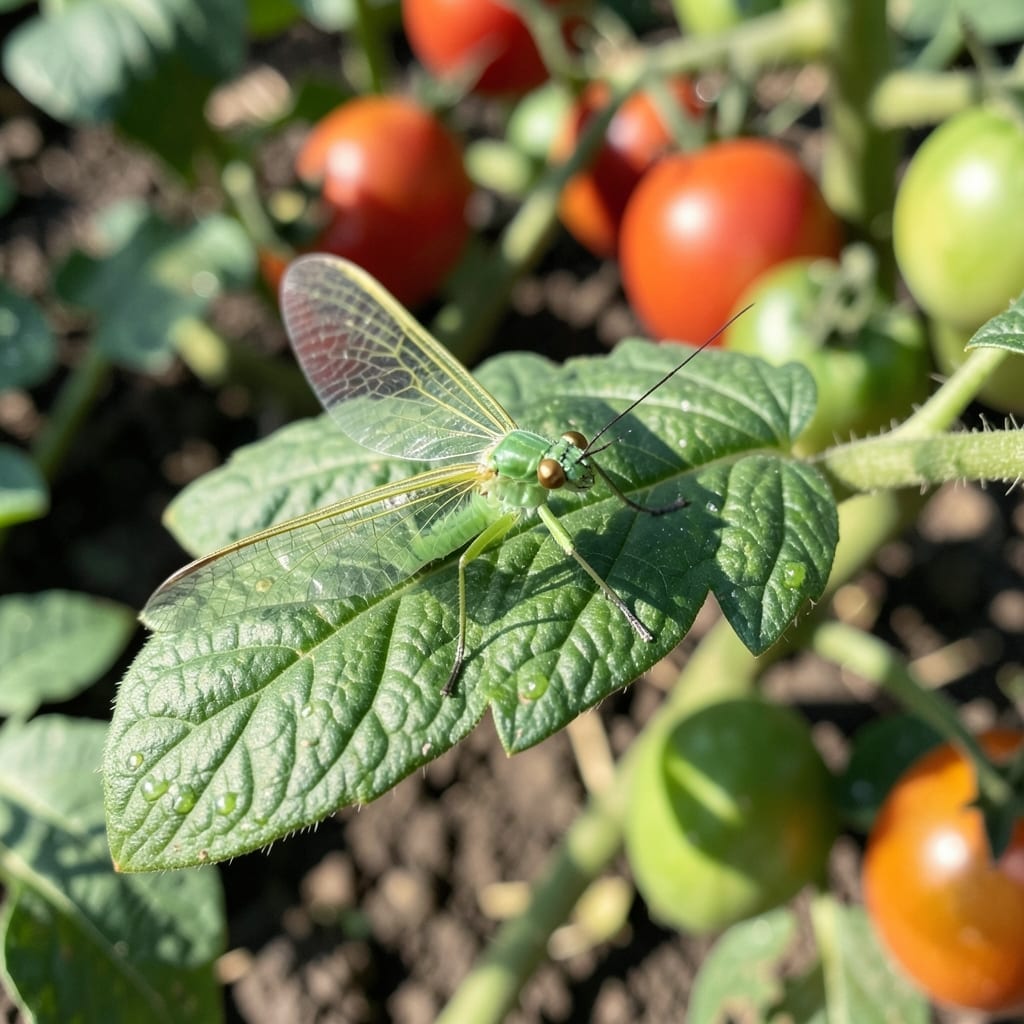
Your garden is a thriving ecosystem, but not all visitors are welcome. Spot pests early, and you’ll save yourself from a world of plant problems.
I’ve seen firsthand how quickly harmful insects can take over the General Garden. Learning to distinguish friend from foe is the key to maintaining a healthy growing space.
Discover simple ways to identify who’s helping and who’s harming your 🌱 General Garden, so you can take action before it’s too late.
I’ve spent countless hours in my garden, and I know how frustrating it is to see plants damaged by pests. Early insect identification is crucial for preventing widespread harm.
Recognizing pests like aphids and beetles early can save your garden. Look for chewed leaves, sticky residue, or wilting plants as warning signs.
| Pest | Appearance | Damage Signs |
|---|---|---|
| Aphids | Tiny green/black soft-bodied insects | Curled leaves, sticky residue |
| Japanese Beetles | Metallic green with copper wings | Skeletonized leaves, brown patches |
| Caterpillars | Fuzzy or smooth worm-like larvae | Large holes in leaves |
| Spider Mites | Tiny red/yellow dots on leaf undersides | Yellow stippling, fine webbing |
I always check the undersides of leaves first, as many pests like to hide there. Spider mites are particularly sneaky and often go unnoticed until damage appears.
Japanese beetles are easy to spot with their metallic coloring. They often attack in groups, quickly defoliating plants like roses and beans.
Aphids multiply rapidly, so I check for them weekly. Their honeydew secretion can attract ants and promote sooty mold growth.
Caterpillars can be trickier to find since they blend in. Look for rolled leaves or chewed edges as signs of their presence.
I recommend using a magnifying glass for smaller pests like thrips or whiteflies. These tiny insects can cause significant damage if left unchecked.
Early morning is the best time to inspect plants for pests. The cool temperature makes insects less active, making them easier to spot and remove.
My final tip: keep a garden journal of pest sightings. This helps track patterns and prevent future infestations more effectively.☀️
Not all insects in your garden are enemies. I’ve learned that beneficial insects like ladybugs and praying mantises actually help control pest populations naturally.
Distinguishing between helpful allies and harmful pests is essential. Bees and butterflies pollinate plants, while aphids and caterpillars can wreak havoc.
| Insect Type | Role in Garden | Identification Tips |
|---|---|---|
| Ladybugs | Predatory (eats aphids) | Red with black spots |
| Bees | Pollinators | Fuzzy yellow/black bodies |
| Aphids | Pests (suck sap) | Tiny green/black clusters |
| Praying Mantis | Predatory (eats pests) | Long green body, raptorial arms |
I always welcome ladybugs in my garden. A single one can eat 50 aphids in a day, making them a natural pest control solution.
Bees are vital for pollination, but avoid swatting at them. Instead, plant flowering herbs like lavender and basil to attract them.
Praying mantises are stealthy hunters. They blend into foliage, so I check carefully before trimming plants to avoid harming them.
For harmful pests like aphids, I use neem oil or introduce beneficial insects to restore balance. Monitor regularly to catch issues early.🌿