
Beautiful Plants For Your Interior
Beautiful Plants For Your Interior
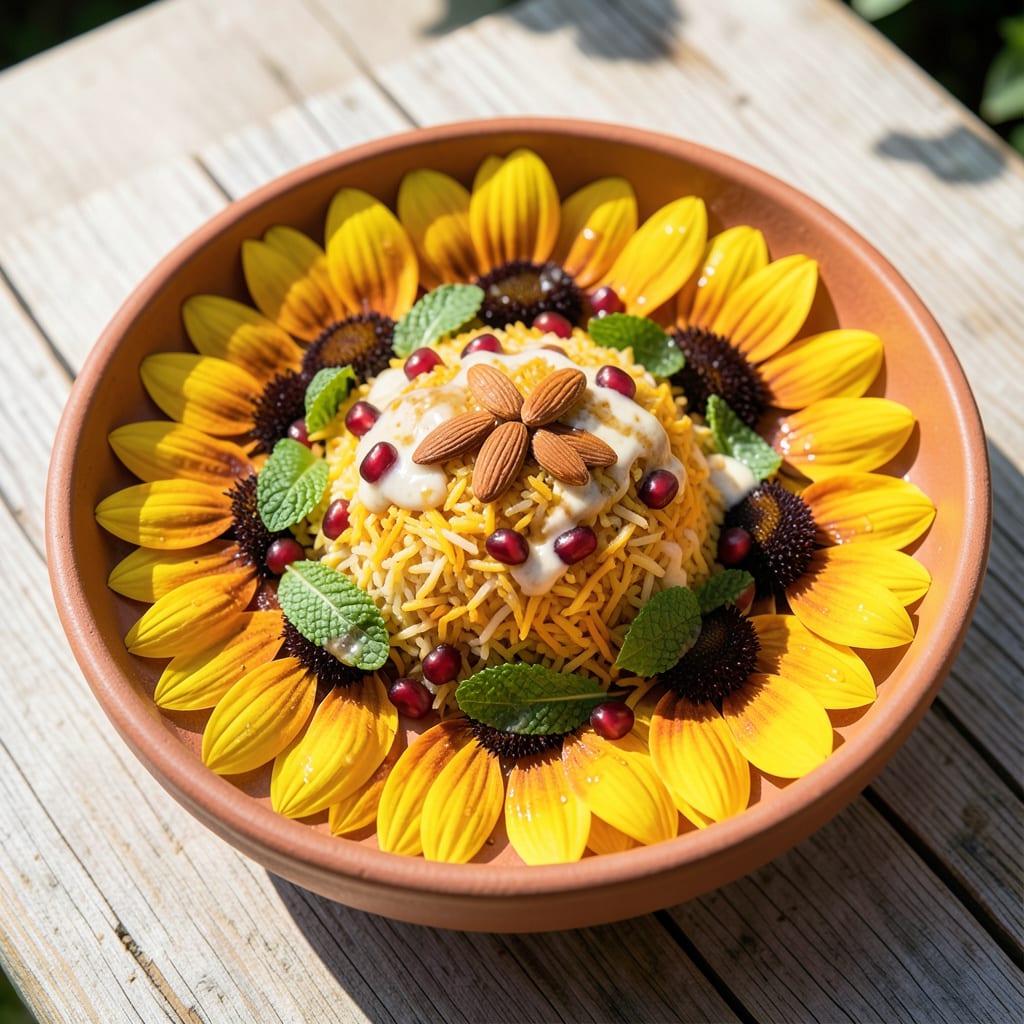
Golden blooms that stop traffic. Indian Summer Black Eyed Susan brings vibrant yellow color to any garden while feeding pollinators all season long.
This tough perennial thrives in full sun with minimal care. Plant once and enjoy years of drought-tolerant beauty that spreads happily but stays polite.
📚 In This Guide
Here’s the method I use to establish these pollinator magnets with consistent success in any garden.
Choose a location with full sun exposure for at least 6-8 hours daily. This cultivar thrives in bright conditions and will produce the most vibrant golden blooms when given ample light. Test the spot throughout the day to confirm it meets the requirement.
Soil should be well-draining with a pH between 6.0-7.0. I always amend heavy clay or compacted soil with organic matter to improve drainage. Remove any weeds or grass from the area, as these will compete with your new plants for nutrients and water.
Dig holes that are twice as wide and the same depth as the root ball. This gives the roots room to spread without sinking the crown too deep, which can cause rot. Space plants 18-24 inches apart to allow for proper air circulation.
Place the plant in the hole, ensuring the top of the root ball sits slightly above the soil line. Backfill with native soil, pressing gently to remove air pockets. Water thoroughly after planting to settle the soil around the roots. You’ll see the plant establish faster with this method.
Water deeply after planting, then maintain a schedule of 1 inch of water per week, either from rainfall or manual watering. The first season is critical—keep the soil consistently moist but not waterlogged as the roots establish.
After establishment, this cultivar becomes quite drought-tolerant. I reduce watering frequency during dry spells but always check that the top 1-2 inches of soil are dry before watering again. Morning watering prevents foliar diseases by allowing leaves to dry during the day.
Apply a 2-3 inch layer of mulch around the base of each plant to retain moisture and suppress weeds. Keep mulch away from the stems to prevent rot. I use organic mulch like shredded bark, which breaks down over time and improves soil quality.
Deadhead spent blooms regularly to encourage continuous flowering throughout the season. Cut back the entire plant by about one-third in late summer if it becomes leggy or stops blooming. This rejuvenation pruning often stimulates a second wave of vibrant golden flowers.
In late fall, after the first hard frost, cut back the stems to 4-6 inches above ground level. This helps prevent disease and tidies the garden. Indian Summer is perennial in USDA zones 4-9, so it will return year after year with proper care.
Divide clumps every 3-4 years in early spring if they become overcrowded or the center dies out. This rejuvenates the plant and gives you more to spread around your garden or share with fellow enthusiasts. Watch for new growth emerging from the base as a sign of healthy establishment.
These insights will help you achieve the most vibrant blooms and healthiest plants with minimal effort.
The Sunlight Requirement: Those 6-8 hours of full sun daily in Step 1 aren’t just a suggestion—they’re essential for maximum bloom production. I learned this the hard way when my first planting in partial shade produced sparse, pale flowers. Test your spot on a sunny day to confirm it meets this threshold before planting.
Soil Preparation Secret: When amending soil in Step 1, don’t just dig a hole and drop in the plant. Work organic matter into the entire planting area to a depth of at least 12 inches. This creates a welcoming environment for roots to spread far beyond the initial hole, which means stronger plants and more abundant blooms.
Planting Depth Caution: In Step 2, that instruction about keeping the top of the root ball slightly above soil level is critical. I buried my first few plants too deep, thinking it would help them stay upright, but it led to crown rot. Trust the method—this slight elevation prevents water from pooling around the base and causing issues.
Watering Wisdom: The 1 inch per week mentioned in Step 3 is your baseline, but don’t water on autopilot. Stick your finger into the soil to check that top 1-2 inches—if it’s dry, it’s time to water. Morning is ideal, as evening watering can leave foliage damp overnight, inviting disease.
Plant in early spring or fall for best results. This gives roots time to establish before extreme heat or cold.
They typically reach 2–3 feet tall, making them perfect for borders or wildflower gardens.
Yes! Their bright golden blooms are a magnet for bees, butterflies, and other pollinators.
Check for full sun (6+ hours daily) and well-drained soil. Over-fertilizing or excessive shade can reduce flowers.
Try ‘Goldsturm’ or ‘Tiger Eye’ for similar vibrant yellow blooms with low maintenance.
