
Beautiful Plants For Your Interior
Beautiful Plants For Your Interior
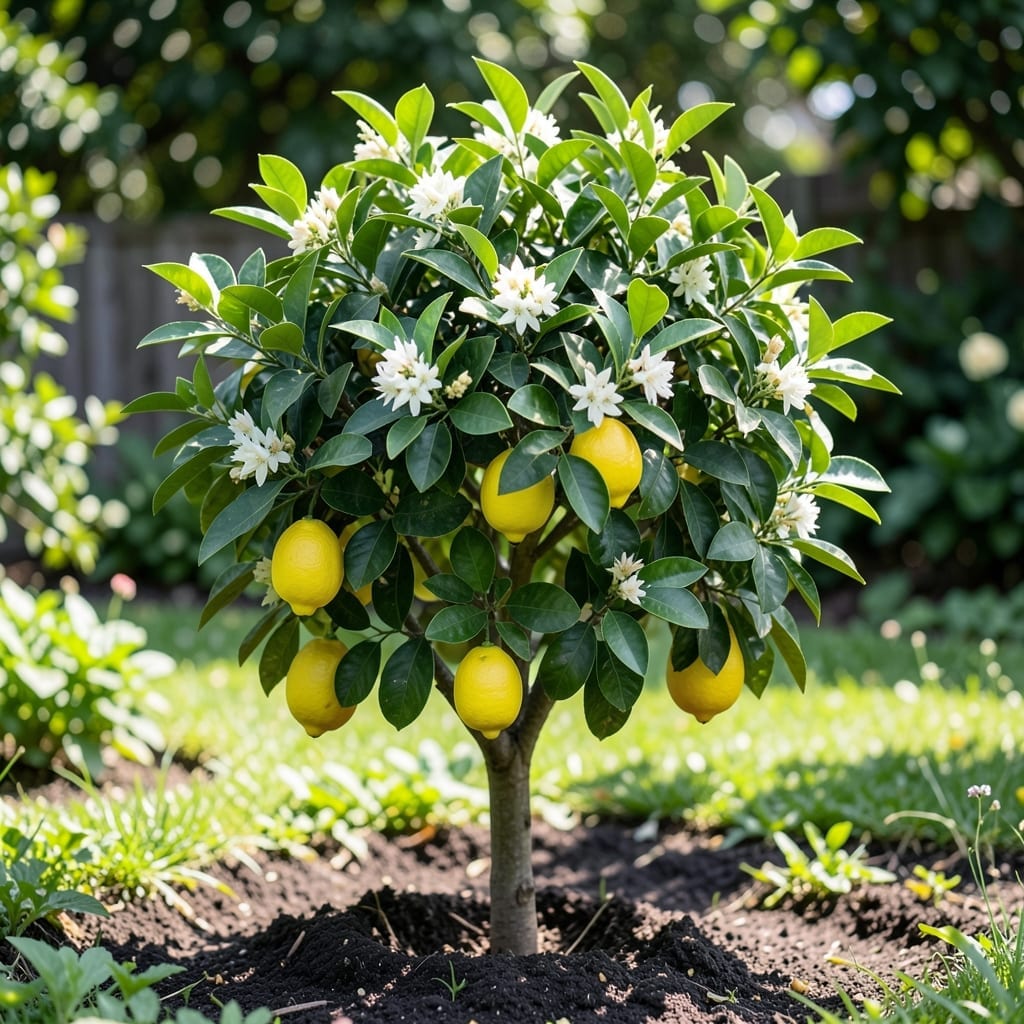
Imagine plucking fresh lemons from a tree right on your patio. The Improved Meyer Lemon Tree 🍋 makes this dream possible, even in tight spaces. Its compact size is one reason gardeners love it so much.
This versatile citrus can thrive in containers or small yards, producing sweet fruit without overwhelming your space. Whether you have a balcony or a backyard, understanding its growth habits is key.
I’ll show you exactly how big these trees get and how to keep them at the perfect size for your needs. Let’s explore what makes this variety so special.


When I first started growing citrus trees, I was amazed at how the Improved Meyer Lemon adapts to different spaces. Its size varies significantly between standard and dwarf varieties, making it perfect for any garden setup.
The standard version typically reaches 10-12 feet tall when planted in the ground, while dwarf types stay compact at 6-8 feet. This difference comes from the rootstock used and growing conditions.
| Variety | Mature Height | Spread | Best For |
| Standard | 10-12 ft | 8-10 ft | Backyard orchards |
| Semi-Dwarf | 8-10 ft | 6-8 ft | Large containers |
| Dwarf | 6-8 ft | 4-6 ft | Patios & balconies |
I’ve found that container-growing naturally restricts size. Even standard trees stay smaller in pots, often maxing out at 8 feet tall. The root restriction slows growth but doesn’t sacrifice fruit quality.
The rootstock plays a huge role too. Dwarfing rootstocks like Flying Dragon keep trees smaller, while standard rootstocks allow full-size growth. This is why you’ll see such variation in mature sizes.
In my experience, pruning makes a big difference in size control. Regular trimming keeps even standard varieties manageable. I recommend pruning in early spring before new growth starts.
For container growers, I suggest starting with a 15-gallon pot for dwarf varieties. This gives enough room for roots while keeping the tree compact.
The spread of these trees is often overlooked. Standard types can spread 8-10 feet, so give them space. Dwarf varieties stay narrower, making them ideal for tight spaces like urban balconies.
I’ve noticed that sun exposure affects size too. Trees in full sun grow more vigorously than those in partial shade. For container trees, aim for at least 6 hours of direct sunlight daily.
Watering practices influence growth rate as well. Consistent moisture encourages steady growth, while drought stress can stunt development. I water my container trees when the top inch of soil feels dry.
Whether you choose standard or dwarf, the Improved Meyer Lemon offers flexibility. With the right care and pruning, you can enjoy fresh lemons in almost any space. ✂️
Keeping your Improved Meyer Lemon Tree at the perfect size in containers is all about balance. I’ve found that root restriction naturally limits growth, but you can enhance this with smart techniques.
Start with a 15-20 gallon pot for dwarf varieties. This gives roots enough room to thrive while keeping the tree compact. Remember, smaller pots mean smaller trees, but don’t go too small or you’ll stress the plant.
I recommend pruning as your primary size control method. Focus on removing water sprouts and inward-growing branches first. This opens the canopy while keeping the tree manageable.
For root pruning, I do this when repotting. Trim back the outer roots by about 1/3 and refresh the soil. This shocks the tree slightly but results in more compact growth the following season.
The type of container matters too. Fabric pots encourage air pruning of roots, which naturally restricts size. I’ve had great success with these for keeping my trees at 5-6 feet tall.
Don’t forget about light exposure. Trees in full sun will grow more vigorously. If you want to keep your tree smaller, you can slightly reduce sunlight, but don’t go below 4-6 hours daily or fruit production will suffer.
With these techniques, I’ve kept my container-grown Improved Meyer Lemon at just 5 feet tall while still enjoying a great harvest each year. It’s all about consistent care and smart pruning. ✂️