
Beautiful Plants For Your Interior
Beautiful Plants For Your Interior
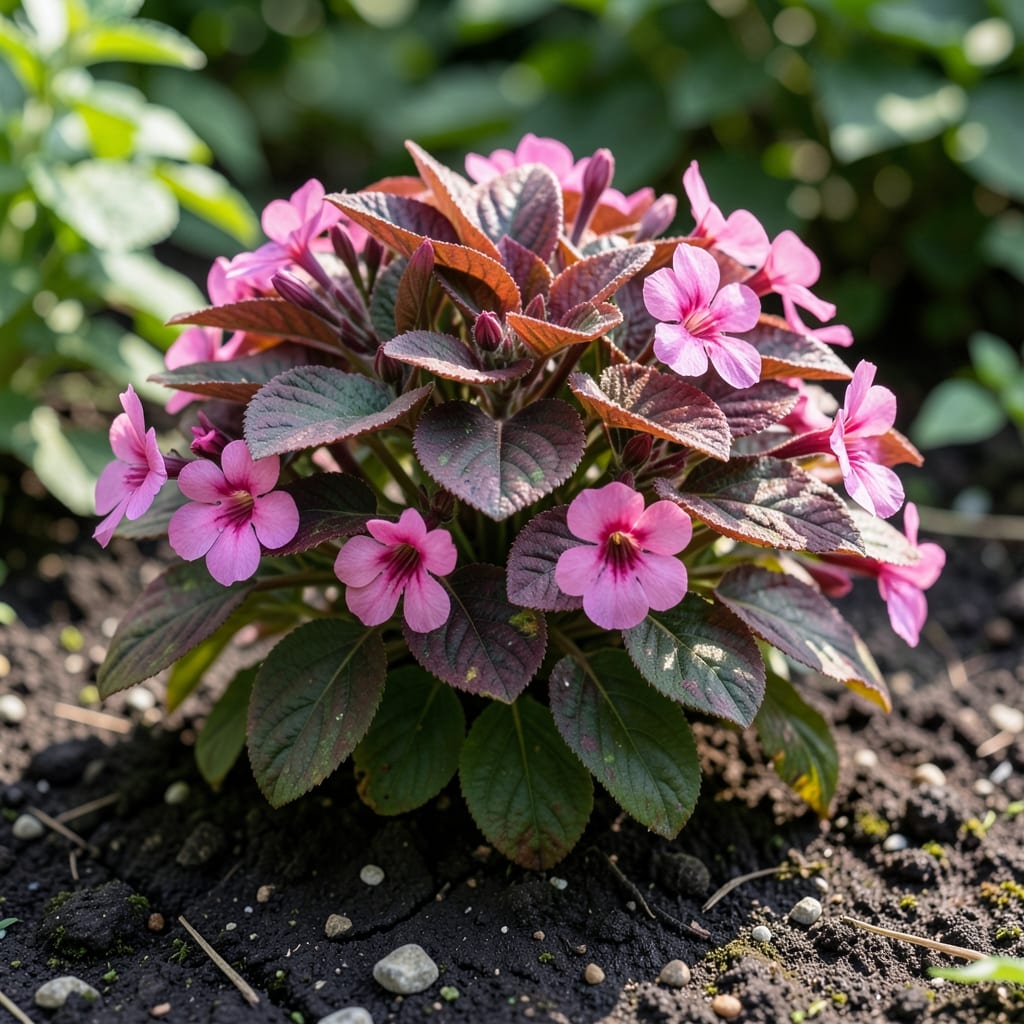
Red leaves on your impatiens aren’t just unsightly—they’re a cry for help. I’ve seen this happen to my own plants, and it usually comes down to 3 common issues: stress, nutrients, or disease.
Last summer, my impatiens turned crimson overnight. Turns out, too much sun was burning the edges while the centers stayed green. Other times, it’s phosphorus deficiency or a sneaky fungal infection.
Good news: you can fix this without harsh chemicals. A shade adjustment, organic fertilizer, or better air circulation often does the trick. Within 2 weeks, you’ll see fresh green growth.
The key is catching it early. Healthy impatiens bounce back fast once you address the root cause. Let’s get to the bottom of it.
Red leaves on impatiens are a visual distress signal, often tied to environmental or cultural stressors. Below are the most common causes, explained with actionable insights.
Impatiens thrive in 60–75°F (15–24°C) ranges. When exposed to cold snaps below 50°F (10°C) or heat above 85°F (29°C), their chlorophyll production slows, allowing red anthocyanin pigments to dominate. This is a survival mechanism to protect cells from damage. Fix: Move potted plants indoors or to shaded areas during extremes.
A phosphorus deficiency (common in acidic soils) or excess nitrogen can trigger reddening. Phosphorus supports energy transfer; its absence forces plants to repurpose sugars, turning leaves reddish-purple. Conversely, too much nitrogen diverts resources from chlorophyll. Fix: Test soil and amend with balanced organic fertilizer (e.g., 5-5-5) or bone meal for phosphorus.
Impatiens prefer partial shade. Prolonged direct sun causes photoinhibition, where chlorophyll degrades faster than it’s replenished. Red pigments (anthocyanins) act as sunscreen, shielding tissues. Fix: Relocate plants to areas with morning sun/afternoon shade or use shade cloth.
Pathogens like Phytophthora or Pythium disrupt nutrient uptake, leading to stress-induced reddening. Infected roots can’t absorb phosphorus efficiently, mimicking deficiency symptoms. Fix: Improve drainage, avoid overhead watering, and apply copper fungicide or neem oil preventatively.
If your impatiens are showing red or purple-tinted leaves, the fix often starts with adjusting their environment. Here’s how to tackle the most common causes:
Fix: Move potted impatiens to a spot with bright, indirect light or provide afternoon shade in garden beds. Use shade cloth if needed. Water deeply in the morning to help them recover.
Prevent: Plant impatiens in areas with dappled sunlight or under taller plants. Avoid south-facing windows indoors.
Fix: If the soil is too acidic or lacks phosphorus, apply a balanced, water-soluble fertilizer (10-10-10 or 20-20-20) every 2–4 weeks. For phosphorus deficiency, switch to a bloom-boosting formula (e.g., 5-10-5).
Prevent: Test soil pH yearly—impatiens thrive in slightly acidic to neutral soil (pH 6.0–7.0). Mix compost into the soil before planting for natural nutrients.
Fix: If temperatures drop below 50°F (10°C), move container plants indoors or cover garden impatiens with frost cloth. Prune damaged leaves to redirect energy.
Prevent: Plant impatiens only after the last frost date in spring. In fall, bring potted varieties inside before nighttime temps dip.
Fix: Let the top inch of soil dry out between waterings. Repot plants in well-draining soil and ensure containers have drainage holes. Trim soggy roots if root rot is present.
Prevent: Use a moisture meter to avoid overwatering. Add perlite or sand to garden beds to improve drainage.
💡 Pro Tip: Red leaves can also signal natural color variation in some impatiens varieties. If the plant is otherwise healthy, no action is needed!
Yes, overwatering leads to root rot, which blocks nutrient uptake. This stress triggers red pigment production. Always let the top 1 inch of soil dry between waterings.
Severely damaged leaves won’t recover, but new growth will be green once conditions improve. Prune red leaves to redirect energy to healthy foliage.
Not always. Red leaves often signal environmental stress first. Check for fungal issues only if you see wilting or spots alongside the color change.
With proper fixes, new green growth appears in 1-2 weeks. Full recovery depends on the plant’s overall health and how quickly you address the root cause.