
Beautiful Plants For Your Interior
Beautiful Plants For Your Interior
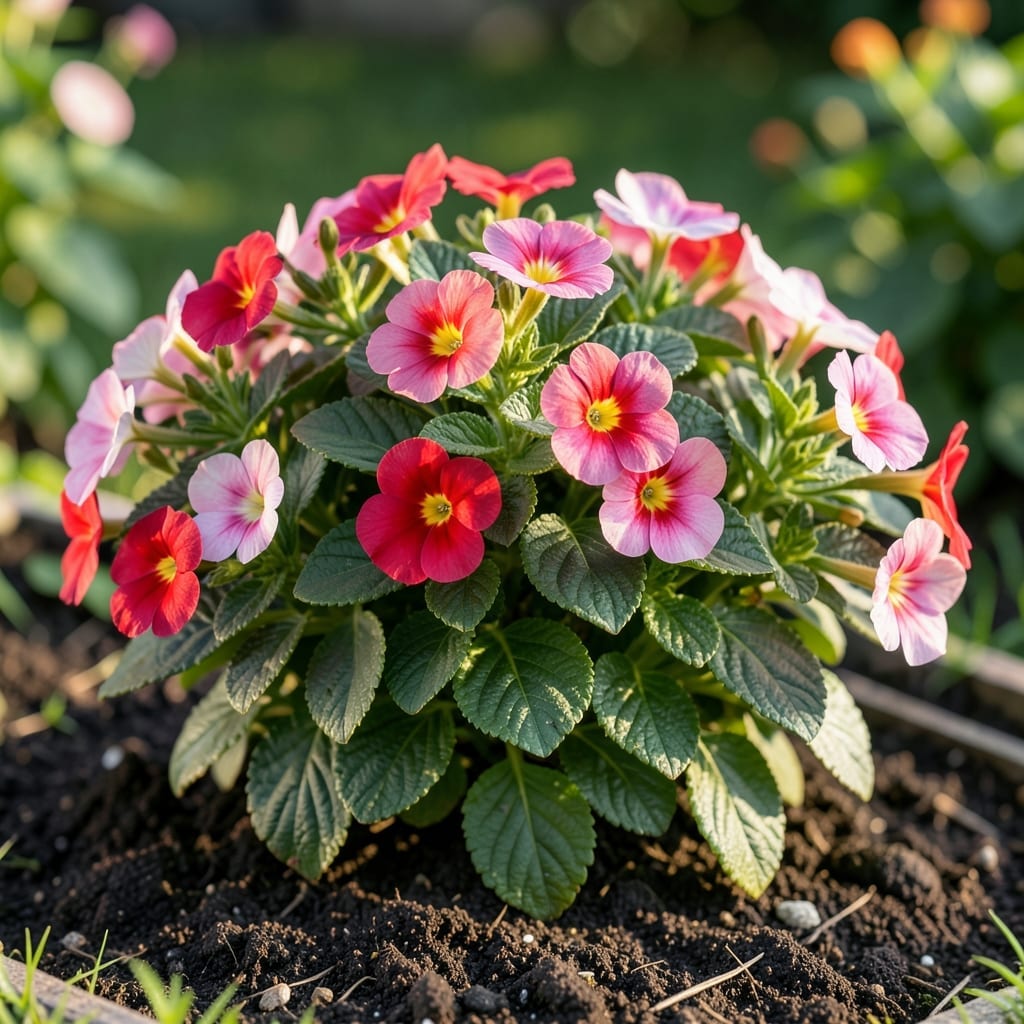
I remember the first time I planted 🌸 Impatiens – their vibrant colors promised a stunning display, but something wasn’t right. They looked sad and sparse, and I soon realized the culprit was too much direct sunlight.
These beautiful flowers thrive in partial to full shade, making them perfect for those tricky spots in your garden where other plants struggle. Getting the light conditions right is the key to lush, abundant blooms.
Let me walk you through exactly what Impatiens need to flourish, whether you’re planting in containers or garden beds. You’ll discover how to create the ideal environment for these shade-loving beauties.
 Best Window Placement
If you’ve ever wondered whether impatiens flowers prefer sun or shade, the answer is clear: these beauties are shade-lovers at heart. While they can tolerate some morning sun, partial to full shade is their sweet spot for vibrant, healthy blooms.
Traditional impatiens, like Impatiens walleriana, will wilt and scorch in direct afternoon sunlight. They perform best with 2-4 hours of gentle morning light or dappled shade throughout the day. ☀️
| Variety | Ideal Light | Sun Tolerance |
|---|---|---|
| Traditional Impatiens | Full to partial shade | Low (2-4 hours max) |
| New Guinea Impatiens | Partial shade | Moderate (4-6 hours) |
| SunPatiens | Full sun to partial shade | High (6+ hours) |
I’ve found that New Guinea impatiens are slightly more sun-tolerant, handling up to 6 hours of sunlight if the soil stays moist. Their thicker leaves help them resist wilting better than traditional varieties.
For the best results, plant your impatiens where they’ll get morning sun and afternoon shade. East-facing spots are ideal, as they receive gentle sunlight without the harsh heat of the afternoon.
If you’re growing in containers, you have more flexibility. Move pots to shadier spots during the hottest part of the day. This way, you can adjust light exposure as needed to keep your plants happy. 🌱
One common misconception is that impatiens need full sun to bloom. In reality, too much sun can stress the plants, leading to leaf scorch and reduced flowering. They’ll reward you with more blooms in shadier conditions.
In my garden, I’ve had the most success planting impatiens under tall trees where they receive filtered light all day. They also thrive along north-facing walls or in shaded border areas.
Remember, consistent moisture is key, especially in sunnier spots. Mulching around the base of your plants helps retain soil moisture and keeps roots cool. This is particularly important in warmer climates. 💧
If you’re unsure about your garden’s light conditions, observe the area throughout the day. Dappled shade under trees or the shade from buildings can create the perfect environment for impatiens to thrive.
If your impatiens flowers look sad, the light conditions might be to blame. Wilting in direct sun is a clear sign they’re getting too much heat, especially during the harsh afternoon hours. ☀️
Another red flag is leggy growth with sparse blooms. This often happens in deep shade, where plants stretch toward any available light but fail to produce abundant flowers.
Leaf scorch (brown, crispy edges) means too much sun. Leggy stems with few blooms signal insufficient light. Yellowing leaves can indicate both over- and under-exposure.
I’ve seen leaf scorch firsthand when impatiens are planted in full afternoon sun. The edges turn brown and crispy, and the plant struggles to recover. Moving them to shade quickly helps prevent permanent damage.
In deep shade, impatiens may grow tall and spindly as they stretch for light. To fix this, relocate them to a spot with bright, indirect light or supplement with a few hours of gentle morning sun. 🌱
If blooms are sparse, check your light conditions. 2-4 hours of morning sun or dappled shade all day typically yields the best results for traditional impatiens.
For New Guinea impatiens, you might see wilting in intense heat even with adequate moisture. These varieties still prefer shade but can handle more sun than traditional types if watered consistently.
Finally, if your impatiens look healthy but aren’t blooming, they might need a balanced fertilizer to encourage flowering. Pair this with proper light, and you’ll see a dramatic improvement in bloom production. 🌿