
Beautiful Plants For Your Interior
Beautiful Plants For Your Interior
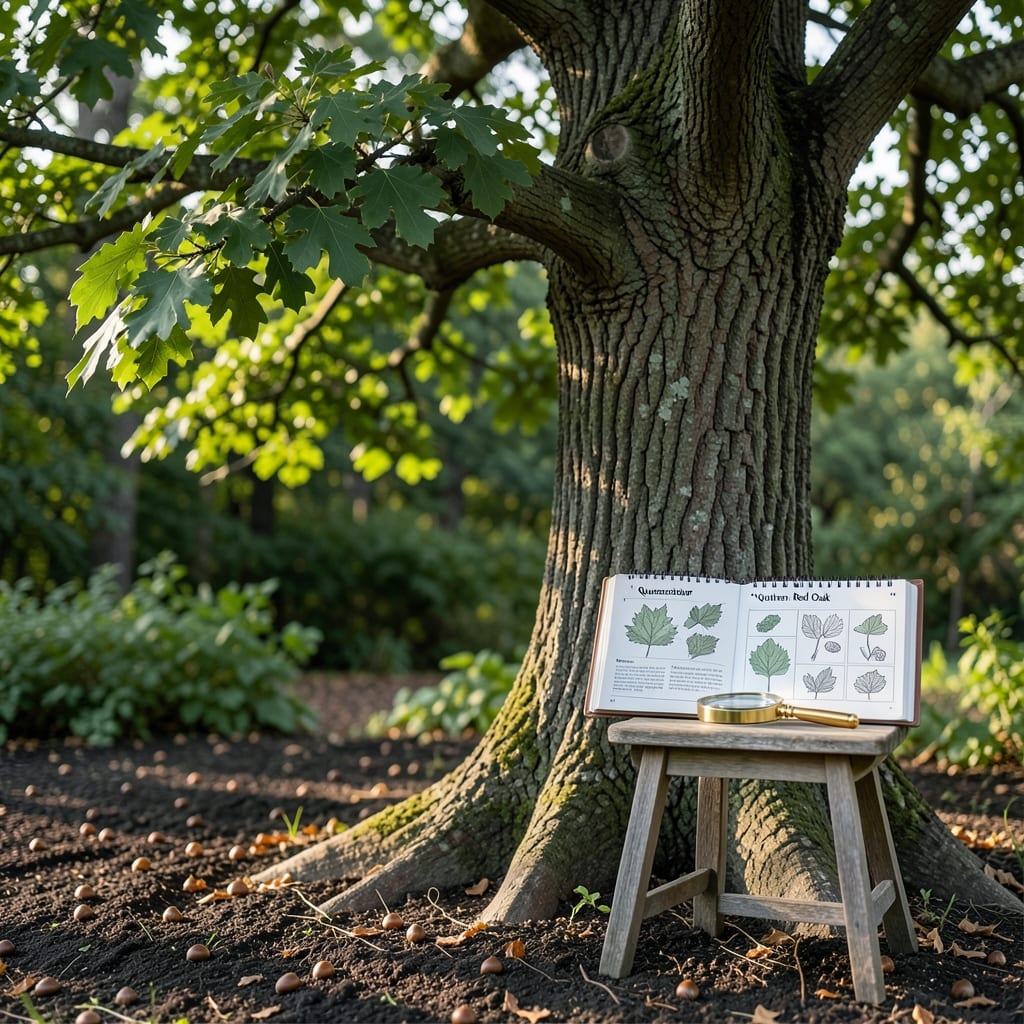
Tennessee hosts diverse tree species including hardwoods like oak and hickory, softwoods like pine, and unique natives such as tulip poplar and eastern redbud. Leaf shape, bark, and fruit help distinguish them.
I’ve spent years studying Tennessee’s forests, and what fascinates me is how seasonal changes reveal hidden details. In spring, you might spot the heart-shaped leaves of redbuds, while fall highlights the deep grooves in oak bark. The state’s mix of Appalachian hardwoods and southern pines creates a dynamic landscape perfect for nature lovers. 🌟
💡 In This Article
Leaf patterns are your first clue to identification. Oak trees display deeply lobed leaves with rounded or pointed edges, while hickories feature compound leaves with 5-7 leaflets arranged opposite each other. The tulip poplar stands out with its unique tulip-shaped leaves and notched tips, growing up to 6 inches long. ✨
Bark texture varies dramatically between species. Eastern redbuds have smooth, gray bark that develops shallow grooves with age, while white oaks develop thick, ridged bark that can reach 1-2 inches deep. Shortleaf pines showcase scaly, reddish-brown bark that peels in plates, creating a puzzle-like appearance. 🔥
Seed types offer another identification method. Acorns distinguish oaks—white oaks produce acorns that mature in 1 year, while red oaks take 2 years. Hickories drop thick-husked nuts, and sweetgums produce spiky seed balls that persist through winter. The eastern red cedar bears small, blue berry-like cones. 🌟
Seasonal changes reveal unique features. In spring, dogwoods bloom with white or pink flowers before leaves appear. Summer highlights the glossy green foliage of southern magnolias, while fall turns sugar maples fiery red. Winter exposes the exfoliating bark of river birches, which peels in papery sheets. ⚡
Tennessee’s elevation affects tree distribution. At higher elevations in the Great Smoky Mountains, you’ll find Fraser firs and red spruces, while the Mississippi River floodplains host bald cypresses with their distinctive “knees” protruding from water. This diversity creates a natural laboratory for tree identification. 💫
Look for deeply lobed leaves with rounded or pointed edges. White oaks have rounded lobes, while red oaks have pointed ones. Also check for thick, ridged bark and acorns—key markers for oaks.
Both have compound leaves, but hickories have 5-7 leaflets arranged alternately, while walnuts have 7-23 leaflets in an alternating pattern. Hickory bark is ridged, and walnut bark is deeply furrowed.
They have distinctive tulip-shaped leaves with notched tips and can grow up to 190 feet tall. In spring, they bloom with yellow-green flowers that resemble tulips. Their bark is smooth and gray when young.
Yes! The eastern red cedar is a common native evergreen with scale-like leaves and blue berry-like cones. It thrives in dry, rocky soils and is often found in old fields and fence rows.
Spring and fall are ideal. In spring, you can observe flowers and new leaf growth, while fall reveals unique foliage colors and seed production. Winter is great for studying bark and branch structure.