
Beautiful Plants For Your Interior
Beautiful Plants For Your Interior
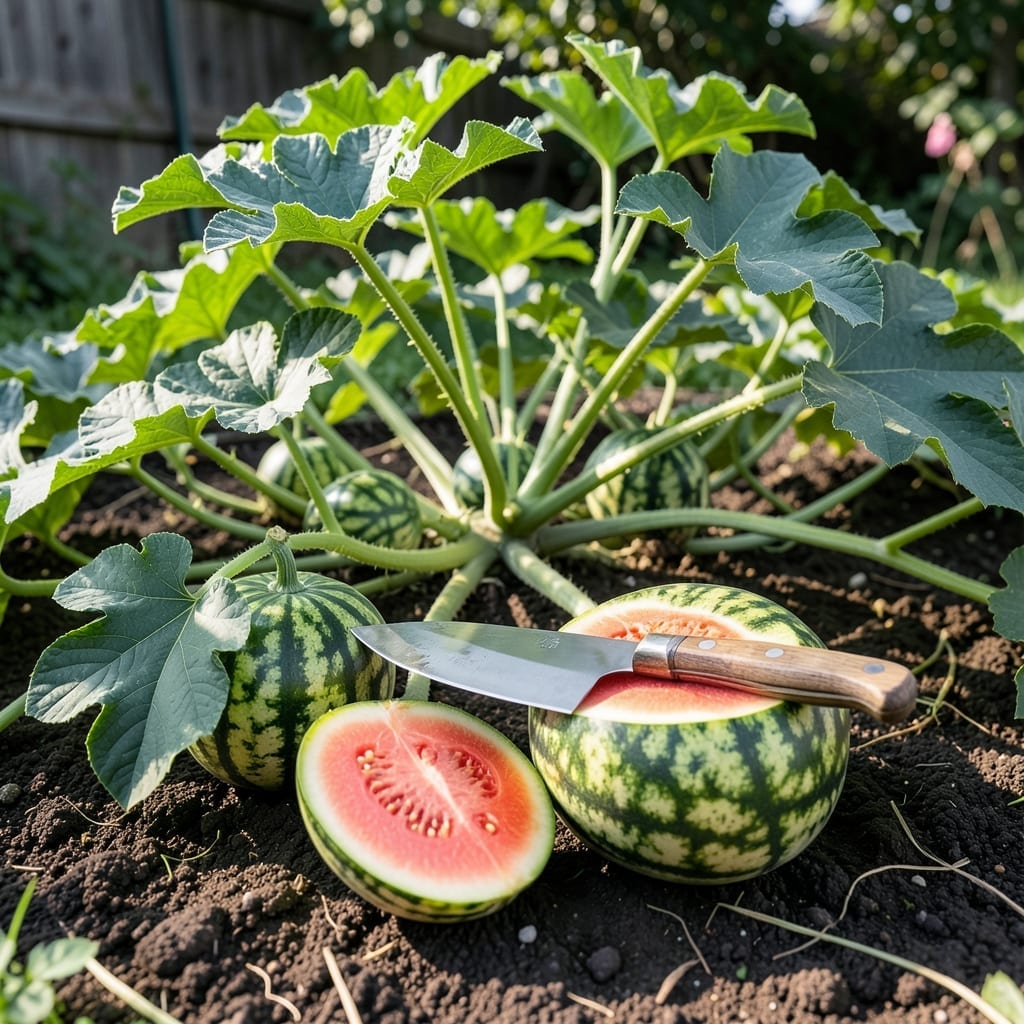
Icebox watermelons are the perfect choice for gardeners with limited space, but getting their size right is key to a successful harvest. This compact variety packs sweet flavor into a manageable package.
Unlike their larger cousins, these 🍉 thrive in containers or small garden plots. Their modest dimensions make them ideal for urban gardeners or anyone working with tight spaces.
I’ve grown dozens of these in my own garden, and the right size makes all the difference. You’ll be surprised how much flavor can come from such a small watermelon.
Discover why this variety is changing the game for home growers. Let me show you exactly what to expect and how to maximize your harvest.


When I first started growing icebox watermelons, I was amazed by how their compact size packed so much flavor. These little gems typically reach a diameter of 6-12 inches at maturity, making them ideal for small gardens or containers. Their rounded shape is perfect for tight spaces where larger varieties just won’t fit. 🌱
The average weight range for icebox watermelons is 5-15 pounds, with most homegrown specimens falling in the 8-12 pound bracket. I’ve found that commercial varieties tend to be at the higher end of this range, while homegrown icebox melons often stay on the smaller side due to varying growing conditions. ☀️
| Characteristic | Specification |
|---|---|
| Diameter | 6-12 inches |
| Circumference | 18-36 inches |
| Average Weight | 8-12 pounds |
| Weight Range | 5-15 pounds |
| Shape | Round to slightly oval |
| Harvest Time | 70-85 days |
In my garden, I’ve noticed that icebox watermelons often reach their full size about 10 days before harvest. This gives me a good window to monitor their growth. The circumference typically measures between 18-36 inches, which is easy to check with a simple tape measure. I recommend tracking this weekly as harvest time approaches. 🌿
One of the great things about icebox watermelons is their consistent size. Unlike some larger varieties that can be unpredictable, these compact melons tend to stay within their size range regardless of growing conditions. This makes them perfect for gardeners who want to plan their space efficiently. I’ve successfully grown them in both ground beds and 5-gallon containers. ✂️
The harvest weight can vary based on several factors, including soil fertility, water consistency, and sunlight exposure. In my experience, melons grown in rich, well-draining soil with full sun tend to reach the higher end of the weight range. I always aim for at least 6-8 hours of direct sunlight daily for optimal growth.
For container gardeners, it’s important to note that icebox watermelons might stay at the lower end of the size range (5-8 pounds) due to space constraints. I’ve found that using a large container (at least 5 gallons) and providing a trellis for support can help maximize their size even in confined spaces.
When checking for harvest readiness, size is just one indicator. I look for a dull rind color and a yellowing underside in addition to the melon reaching its expected size. The tendril nearest the stem turning brown is another reliable sign that it’s time to harvest your icebox watermelon.
I’ve also noticed that homegrown icebox melons sometimes develop a more intense flavor compared to store-bought ones, likely due to the variety and growing conditions. Their smaller size doesn’t mean less sweetness – in fact, many gardeners (myself included) find them sweeter than larger watermelon varieties.
For those new to growing icebox watermelons, I recommend starting with just 1-2 plants to get a feel for their growth habits. This way, you can experiment with different growing conditions and see how they affect the final size and flavor of your melons without overwhelming your garden space. 🌱
If you’re considering icebox watermelons for your garden, it’s helpful to see how they stack up against other popular varieties. Their compact size makes them ideal for small gardens or containers, but how do they compare to larger types? Let me break it down for you.
I’ve found that icebox watermelons are significantly smaller than traditional picnic watermelons, which can weigh 20-30 pounds or more. This makes icebox varieties much easier to manage in limited spaces while still delivering that classic sweet flavor.
| Variety | Average Weight | Space Efficiency |
|---|---|---|
| Icebox | 5-10 lbs | High |
| Seedless | 10-15 lbs | Medium |
| Picnic | 20-30 lbs | Low |
| Mini | 2-5 lbs | Very High |
One major advantage of icebox watermelons is their space efficiency. Unlike picnic watermelons, which need long vines and plenty of room to sprawl, icebox varieties can thrive in containers or small garden beds.
In my experience, yield per plant is another key factor. While picnic watermelons may produce fewer, larger fruits, icebox plants often yield 2-3 melons each, making them a productive choice for gardeners with limited space.
For practical garden considerations, I recommend icebox watermelons if you’re working with raised beds or container gardens. Their manageable size means you can enjoy homegrown watermelons without sacrificing your entire garden layout.
And don’t forget, their compact vines also make them easier to trellis, saving even more space while still producing delicious, sweet fruits that the whole family will love. ☀️