
Beautiful Plants For Your Interior
Beautiful Plants For Your Interior
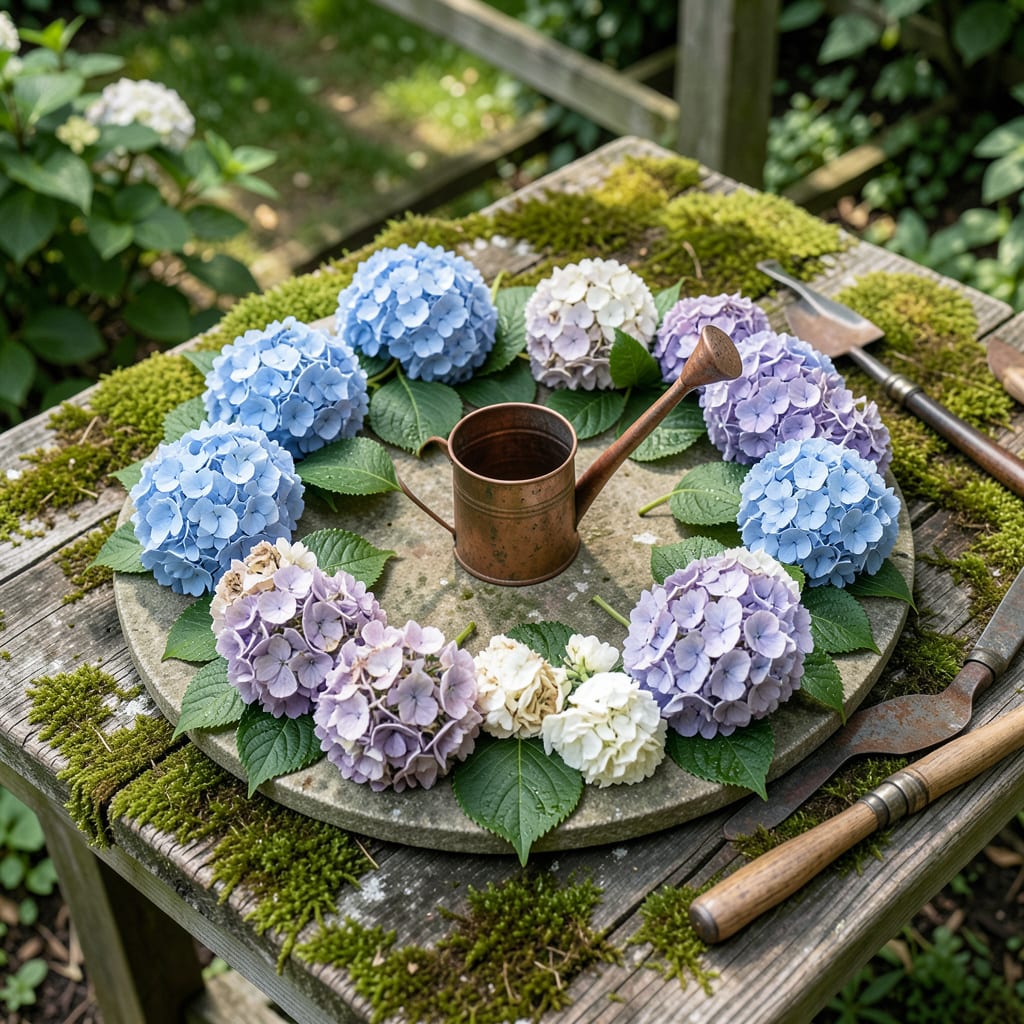
Last summer, my prized hydrangeas went from lush to limp in 48 hours. Turns out, wilt isn’t just about thirst—it’s often a silent distress call from your plants.
I learned the hard way that hydrangea wilt usually stems from root rot, fungal infections, or sudden environmental stress. The leaves droop dramatically, but the stems stay green—your first clue something’s wrong beneath the soil.
Here’s the thing—catch it early and you can reverse the damage. Most cases improve with better drainage, consistent watering, and a little preventive care. I saved mine with a few simple adjustments.
Don’t wait for the leaves to crisp. Spot the signs, act fast, and your hydrangeas will bounce back stronger next season.
Understanding the root causes of hydrangea wilt is the first step toward prevention. Here’s what experts say triggers this common issue:
Fungi like Botrytis cinerea and Phytophthora thrive in damp, poorly ventilated conditions. These pathogens attack stems and leaves, disrupting water flow and causing sudden wilting. Overhead watering or crowded plantings create ideal breeding grounds.
Both overwatering and underwatering can lead to wilt. Soggy soil suffocates roots, preventing nutrient uptake, while drought stress weakens the plant’s ability to transport water. Hydrangeas prefer consistently moist (but well-drained) soil—aim for 1–2 inches of water per week.
Extreme heat or cold can shock hydrangeas, causing temporary wilt. Sudden temperature swings or frost damage disrupt cellular function. Mulching helps regulate soil temperature, and afternoon shade protects against heat stress.
Sap-sucking pests like aphids or spider mites weaken plants, making them more susceptible to wilt. Check undersides of leaves for infestations and treat with insecticidal soap if needed.
Actionable Tip: Improve air circulation, water at the base, and monitor soil moisture to reduce fungal risks.
Don’t panic if your hydrangeas are drooping—there are clear fixes for each cause. Below, we map the most common issues to actionable solutions, plus prevention tips to keep your blooms vibrant.
If the soil is dry to the touch 1–2 inches down, your hydrangea is thirsty. Fix: Water deeply at the base (not the leaves) until the top 6 inches of soil are moist. Use a soaker hose or drip irrigation for even absorption. Prevention: Mulch with 2–3 inches of organic matter (like pine bark) to retain moisture. Pro tip: 💡 Water in the early morning to reduce evaporation.
Yellowing leaves or soggy soil signal too much water. Fix: Stop watering immediately and check the roots for rot (mushy, dark roots). Trim affected roots and repot or amend the soil with compost or perlite to improve drainage. Prevention: Plant hydrangeas in well-draining soil and use raised beds if your garden has heavy clay.
Wilting in hot afternoons? Hydrangeas (especially bigleaf varieties) hate intense sun. Fix: Move potted plants to a shadier spot or erect a temporary shade cloth for in-ground plants. Prevention: Plant hydrangeas where they get morning sun and afternoon shade. Pro tip: ✨ Light-colored mulch reflects heat and keeps roots cooler.
Check for aphids, spider mites, or Japanese beetles on leaves and stems. Fix: Blast pests off with water or apply insecticidal soap or neem oil for severe cases. Prevention: Encourage beneficial insects like ladybugs by planting companion flowers like marigolds.
Fungal issues (e.g., powdery mildew or root rot) often cause wilting. Fix: Remove infected leaves or stems and treat with a fungicide (copper-based for organic options). Prevention: Space plants for airflow and avoid overhead watering to keep foliage dry.
Check the soil 1-2 inches down. Dry soil means it needs water, while soggy soil or yellowing leaves signal overwatering. Underwatered plants perk up after a deep soak, but overwatered ones need drainage fixes.
If the soil is dry, give it a deep watering at the base. For heat stress, move it to shade immediately. Most wilting reverses within 24 hours with the right fix.
Temporary wilt from heat or minor water stress often recovers overnight. But fungal or pest-related wilting won’t improve without treatment. Act quickly for the best chance of revival.
