
Beautiful Plants For Your Interior
Beautiful Plants For Your Interior
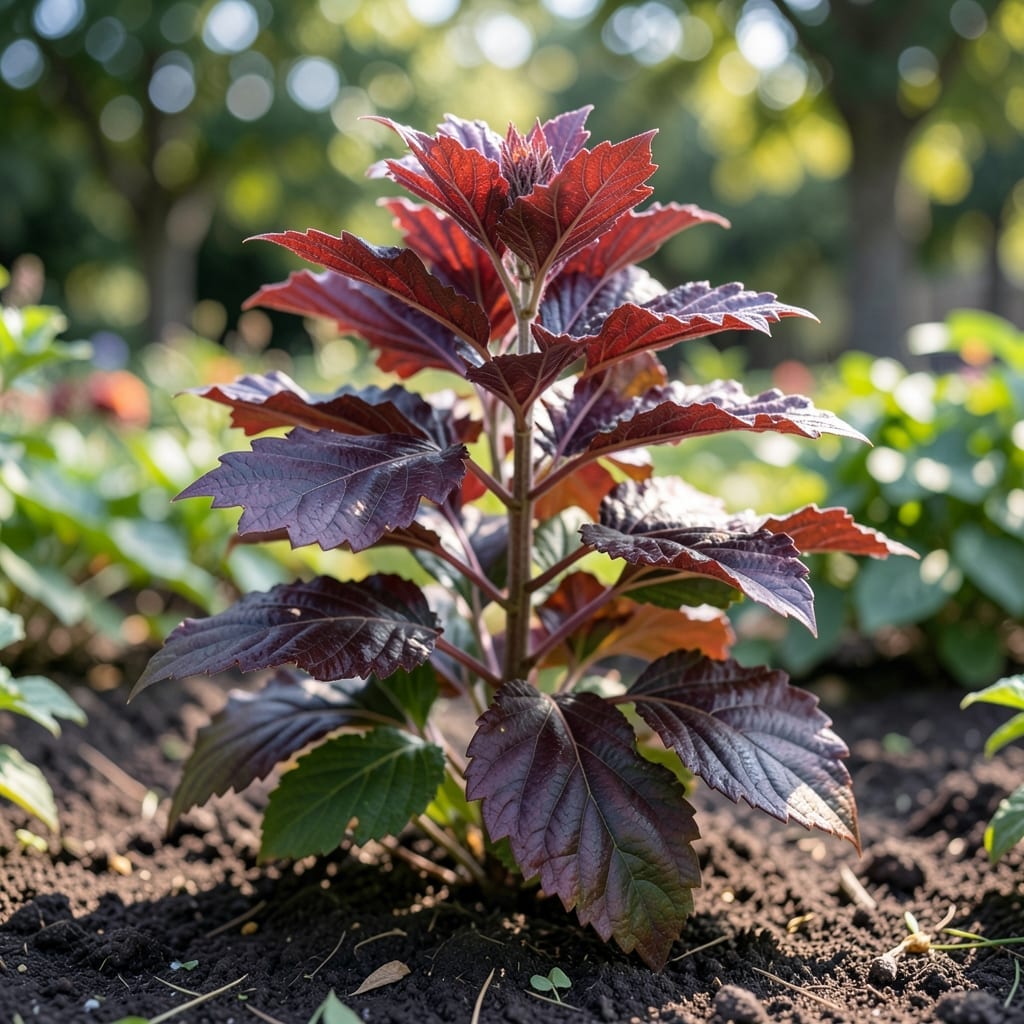
Red leaves on your hydrangea aren’t necessarily a death sentence. I’ve seen this happen in my own garden when the soil pH got out of whack or the plants experienced sudden temperature swings.
The good news? Most causes are fixable with simple adjustments to watering, nutrients, or light exposure. By the end of the season, you can have those vibrant green leaves back where they belong.
📚 In This Guide
Here’s the method I use to identify the issue quickly and restore your shrubs to their vibrant best.
Start by checking whether the reddening affects older leaves at the bottom or new growth at the top. Bottom-leaf discoloration often signals a phosphorus deficiency, while reddening in new growth typically indicates a nitrogen shortage. I always note if the red is uniform or spotted—spotted red leaves often point to fungal issues rather than nutrient problems.
Look at the leaf veins too. If they stay green while the leaf tissue turns red, you’re likely dealing with a phosphorus issue. Green veins with red tissue between them is a classic phosphorus deficiency symptom in hydrangeas.
Use a soil test kit to check your pH and nutrient status. Hydrangeas prefer slightly acidic soil (pH 5.5-6.5). If your pH is too high, phosphorus becomes locked in the soil and unavailable to the plant. Ironically, this often shows as red leaves even when phosphorus is present but inaccessible.
Test for nitrogen levels as well. A deficiency here causes overall pale growth with reddening, especially in older leaves. I’ve found that hydrangeas in containers often show nitrogen deficiency first because nutrients leach out more quickly from potted soil.
For phosphorus deficiency, apply a high-phosphorus fertilizer (10-30-20 or similar) according to package directions. Work it into the soil around the drip line, not the trunk. I prefer liquid fertilizers for quick absorption when I see red leaves appearing.
For nitrogen deficiency, use a balanced fertilizer or one with higher nitrogen content. Blood meal is an excellent organic option that provides immediate and long-term nitrogen. Apply 1/2 cup per plant and water in thoroughly.
Sometimes red leaves appear due to stress rather than deficiency. Excessive sun exposure can cause reddening, especially in varieties that prefer partial shade. If your hydrangea gets more than 6 hours of direct sun, consider adding afternoon shade.
Drought stress can also trigger red leaves. Check soil moisture 2 inches down—if it’s dry, increase watering frequency. I’ve seen hydrangeas develop red leaves during heat waves even when watered regularly, as extreme temperatures can disrupt nutrient uptake.
Apply a 2-3 inch layer of organic mulch around the base to maintain consistent soil moisture and temperature. This prevents the stress-related reddening that often appears during temperature swings.
Consider a soil amendment program. I add compost annually to my hydrangea beds, which naturally maintains nutrient levels and soil acidity. For container plants, repot every 2-3 years with fresh potting mix to prevent nutrient depletion that leads to red leaves.
Here’s what I’ve learned from years of troubleshooting these exact issues in my own garden.
Diagnosis Precision: In Step 1, pay special attention to whether the red appears in older bottom leaves or new top growth—this single observation will save you hours of guesswork. The green veins versus red tissue pattern is particularly telling for phosphorus issues, as mentioned in the instructions.
Soil Testing Insight: When performing Step 2, remember that hydrangeas’ preference for that pH 5.5-6.5 range isn’t just a suggestion. If your test shows pH above 7.0, phosphorus becomes completely unavailable to the plant, which is why you might see red leaves despite having plenty of phosphorus in the soil.
Application Technique: For Step 3, always work fertilizers into the soil around the drip line rather than near the trunk. I’ve found that liquid fertilizers work particularly well for quick correction when red leaves first appear, as they’re absorbed faster than granular options.
Environmental Awareness: Step 4’s warning about more than 6 hours of direct sun is critical. I learned this the hard way when my afternoon-sun hydrangeas developed red leaves despite perfect soil conditions. A simple shade cloth during peak hours solved the problem completely.
Red hydrangea leaves often signal stress from extreme heat, nutrient deficiencies (especially phosphorus), or overly acidic soil. A pH test can help confirm the cause.
Yes! Adjust soil pH (aim for 6.0–6.5), provide shade during peak heat, or use a balanced fertilizer. Damaged leaves may not recover, but new growth should improve.
Act quickly at the first sign of reddening, ideally in early summer. Test soil pH and amend it before the growing season peaks.
No—most hydrangeas have green leaves. Red leaves usually indicate a problem, though some varieties (like ‘Burgundy Lace’) have reddish stems.
Use a slow-release, balanced fertilizer (10-10-10) or one high in phosphorus (like 5-10-5). Avoid over-fertilizing, as excess nitrogen can worsen the issue.