
Beautiful Plants For Your Interior
Beautiful Plants For Your Interior
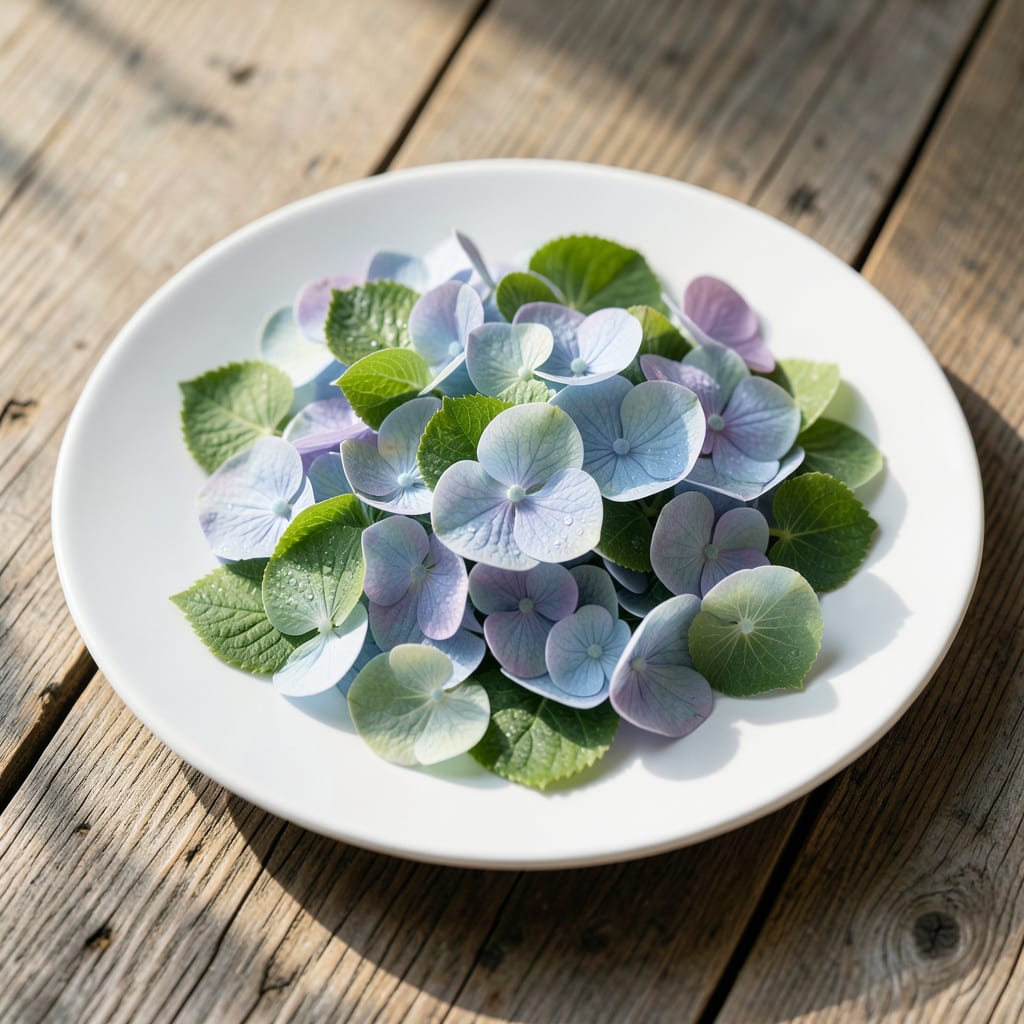
Green hydrangea petals caught me off guard the first time I saw them. Turns out, it’s usually iron deficiency or soil pH throwing things off balance.
My blooms went from vibrant blue to sickly green last summer until I tested the soil. The fix wasn’t complicated—just chelated iron and a pH adjustment to 5.0-5.5 for blue varieties.
You’ll notice the color shift starts at the edges before spreading. Catching it early means your next flush of blooms can still hit that perfect hue.
Works for bigleaf and oakleaf hydrangeas alike. Here’s how to diagnose and treat it properly.
The shift in hydrangea petals turning green often stems from natural or environmental factors. Here’s why it happens:
As hydrangea blooms age, the vibrant pigments (anthocyanins) fade, and chlorophyll—the green pigment in leaves—dominates. This is normal in late-season flowers, especially in Hydrangea macrophylla. Sunlight exposure accelerates chlorophyll production, turning petals green.
In alkaline soil (pH > 7), iron becomes less soluble, starving the plant of this essential nutrient. Without iron, chlorophyll synthesis stalls, but existing chlorophyll may show through as green patches. A soil test can confirm this issue.
Soggy roots limit oxygen uptake, stressing the plant and disrupting nutrient absorption. This can trigger chlorosis (yellowing with green veins), but in some cases, petals may turn green due to uneven chlorophyll distribution.
Cooler temperatures or sudden increases in light can stress hydrangeas, prompting chlorophyll to mask other pigments. Shade-loving varieties (like oakleaf hydrangeas) are especially prone to this color shift when exposed to direct sun.
When your hydrangea petals start turning green, it’s often a sign of iron deficiency or imbalanced soil pH. Here’s how to address each cause with practical fixes—and tips to keep it from happening again.
If the issue is a lack of iron, try these steps:
💡 Prevention tip: Mulch with pine needles or coffee grounds to maintain acidic soil naturally.
Alkaline soil (pH above 6.5) locks out iron, even if it’s present. Adjust it with:
💡 Prevention tip: Test soil pH annually—especially before planting new hydrangeas.
Soggy roots can also trigger green petals by reducing nutrient uptake. Fix it by:
💡 Prevention tip: Water deeply but less frequently to encourage strong root growth.
With these fixes, your hydrangeas should regain their vibrant color in no time! 🌸
No, it’s often reversible with proper care. Adjusting soil pH to 5.2-6.2 or adding chelated iron can restore vibrant colors in future blooms.
Mostly affects bigleaf and oakleaf varieties. Panicle and smooth hydrangeas are less prone, as their color is less pH-dependent.
New growth typically shows improvement within 2-4 weeks of applying iron or adjusting pH. Existing blooms won’t change, but future ones will.
Yes, excessive sun can stress the plant and accelerate chlorophyll production. Shade-loving varieties need protection from direct afternoon light.
