
Beautiful Plants For Your Interior
Beautiful Plants For Your Interior
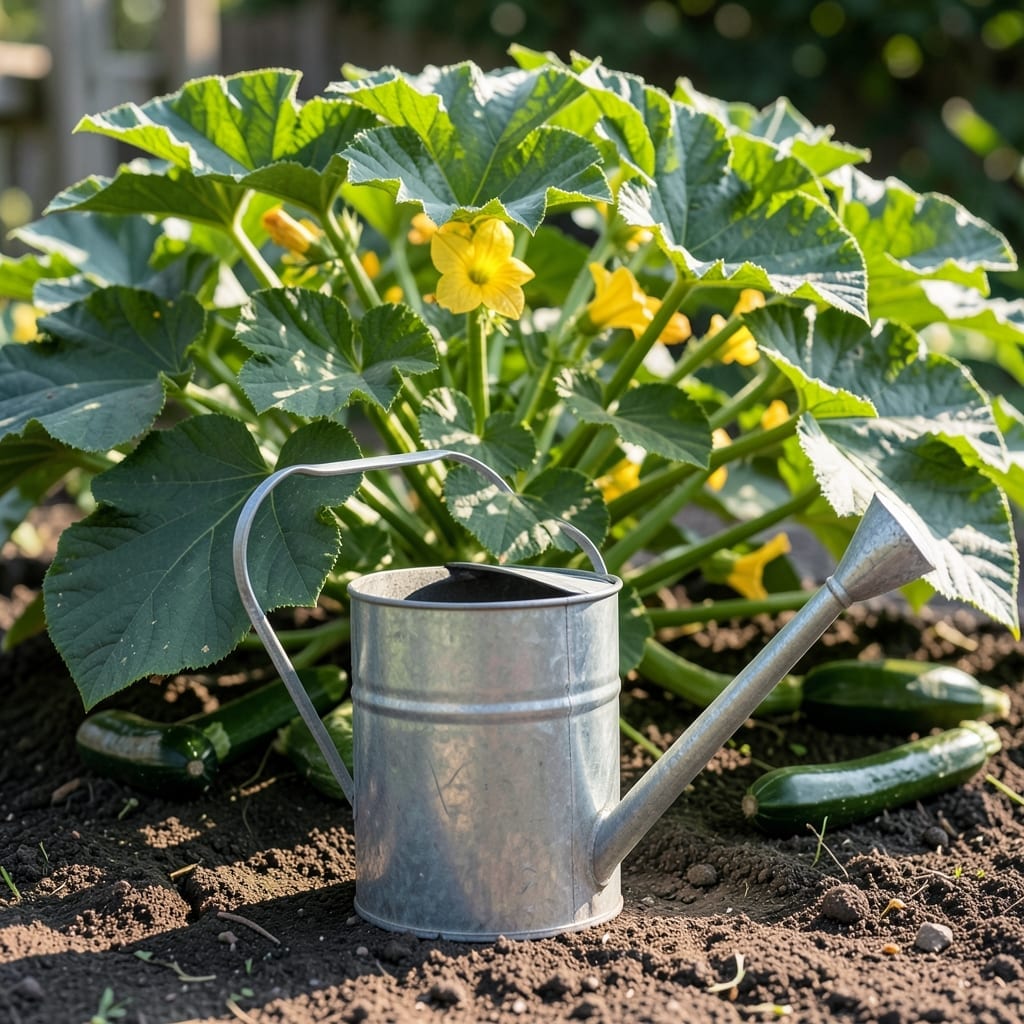
Zucchini plants 🥒 are thirsty growers, but getting the watering wrong can ruin your harvest. Too much or too little water leads to problems like blossom end rot.
I’ve learned that consistent, deep watering is the key to healthy plants and bigger yields. It’s not just about frequency—it’s about technique and timing.
Whether you’re new to gardening or looking to improve, understanding how to water properly makes all the difference. Let me show you how to keep your zucchini thriving.
Discover simple, effective methods that prevent common mistakes and ensure your plants stay happy all season long.
I’ve found that zucchini plants thrive with deep watering rather than frequent light sprinkles. This encourages strong root growth and helps plants access moisture deeper in the soil. Always aim for 1-1.5 inches of water per week, depending on weather conditions.
Watering in the early morning is ideal because it allows foliage to dry quickly, reducing the risk of fungal diseases. Avoid watering in the evening, as damp leaves overnight can invite mildew.
I always use the finger test to check soil moisture before watering. If the top 1-2 inches feel dry, it’s time to water. This simple method prevents overwatering and ensures your plants get just the right amount.
For zucchini plants in containers, watering needs are slightly different. These plants dry out faster, so I check them daily and water when the soil feels dry. Containers often need every 2-3 days in hot weather.
Using a drip irrigation system can make watering easier and more consistent. It delivers water directly to the root zone and reduces waste. If you don’t have one, a soaker hose works just as well.
In hot climates, zucchini plants may need daily watering. I’ve noticed that mulching helps retain moisture and keeps the soil temperature stable. Organic mulches like straw or grass clippings work best.
If you’re growing zucchini in raised beds, remember that they dry out faster than in-ground soil. I water my raised beds every 2-3 days during peak summer, ensuring the soil stays evenly moist.
One common mistake is watering too lightly. Shallow watering encourages weak roots. Instead, water deeply and less frequently to promote strong, deep root systems that can withstand dry spells.
Finally, always water at the base of the plant to avoid wetting the leaves. This practice minimizes the risk of powdery mildew and other fungal issues that zucchini plants are prone to.
🌱I’ve seen many gardeners struggle with water stress in zucchini. The key is recognizing the early warning signs before they damage your plants. Wilting leaves can indicate both over and underwatering, but the patterns differ.
Overwatered zucchini often shows yellowing leaves and a mushy stem base, while underwatered plants have dry, crispy edges on leaves. The soil can tell you a lot too.
| Issue | Overwatering Signs | Underwatering Signs |
|---|---|---|
| Leaf Appearance | Yellow, soft leaves | Dry, crispy edges |
| Stem Condition | Mushy, weak base | Dry, cracked soil |
| Soil Clues | Waterlogged, foul smell | Bone dry top inch |
| Fruit Problems | Blossom end rot | Small, stunted fruit |
For overwatered zucchini, I immediately stop watering and let the soil dry out. Improving drainage by adding compost helps prevent future issues. If the problem is underwatering, a deep soak usually revives the plant quickly.
I check the soil moisture daily during hot spells. If the top 1-2 inches are dry, it’s time to water. But if the soil feels soggy, I hold off for a day or two.
Another sign is fruit development. Blossom end rot often appears with inconsistent watering. I’ve found that mulching helps maintain even moisture levels, preventing this common issue.
Remember, zucchini plants are heavy feeders and drinkers. They need consistent moisture but hate soggy roots. Finding that balance is the secret to healthy plants and bumper harvests. 🌱