
Beautiful Plants For Your Interior
Beautiful Plants For Your Interior
Winter orchid care changed everything for me—especially the watering part. I used to follow the same routine year-round, until I realized that cold months demand a completely different approach. The key isn’t just watering less (though that’s part of it), but understanding how temperature shifts affect your plant’s thirst and root health. Here’s the thing—most […]
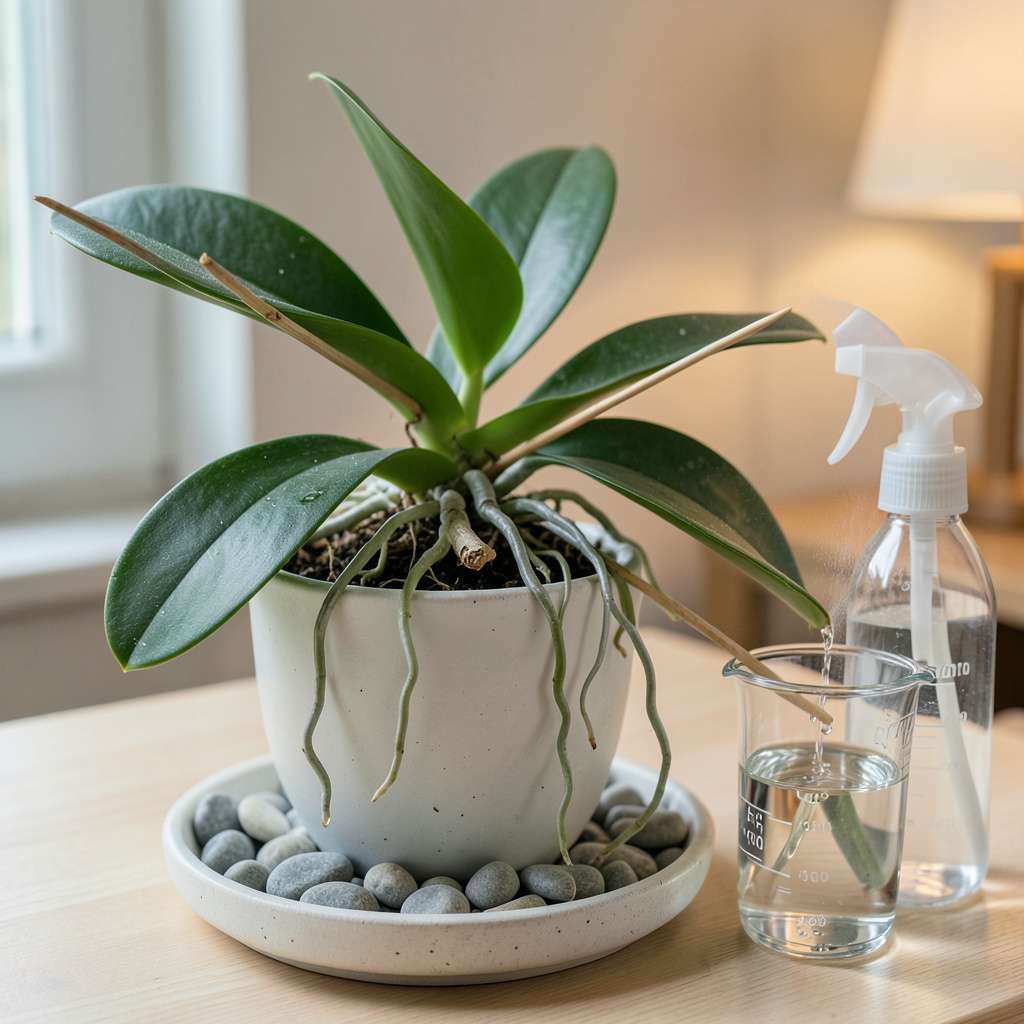
Winter orchid care changed everything for me—especially the watering part. I used to follow the same routine year-round, until I realized that cold months demand a completely different approach. The key isn’t just watering less (though that’s part of it), but understanding how temperature shifts affect your plant’s thirst and root health.
Here’s the thing—most people kill orchids in winter by being too kind. Overwatering in cool conditions leads to soggy roots, which leads to rot, which leads to a sad, wilting plant. My own collection taught me this the hard way. Now I check moisture with my finger (not just the surface) and watch for subtle signs like pseudobulb wrinkling or leaf texture changes.
You’ll notice your orchids need water about half as often in winter as they do in summer. The exact schedule depends on your home’s humidity and heating system, but I’ve found that waiting until the medium feels almost dry—then watering thoroughly—produces the best results. No more guesswork, no more casualties.
This method keeps blooms coming even when daylight is scarce. The plants stay healthier through dormancy, and you avoid that heartbreaking moment of discovering mushy roots in February. Works for phalaenopsis, cattleyas, and dendrobiums alike—let’s get your winter routine dialed in.
📚 In This Guide
Winter demands a different approach—this method keeps your orchids hydrated without the risks of overwatering or rot.
Begin by identifying whether your orchid is in active growth or dormancy. Most phalaenopsis and cattleya varieties slow growth in winter, requiring 30-50% less water than in warmer months. Check the roots: silver-green roots indicate proper hydration, while wrinkled, gray roots signal thirst.
Evaluate your home’s humidity and temperature. Orchids in rooms below 60°F or with humidity under 40% will dry out more slowly. I place a hygrometer near my plants—it’s the only way to know for certain whether the air is sapping moisture from the potting medium faster than the roots can absorb it.
For orchids in bark-based mixes, water every 10-14 days—the coarse medium dries unevenly in winter, and overwatering leads to root suffocation. If using sphagnum moss, extend intervals to 14-18 days; moss retains moisture far longer and stays damp dangerously close to freezing temperatures.
Here’s the critical test: Insert a wooden skewer into the medium near the pot’s edge. Wait 10 minutes, then remove it. If the skewer feels damp or cool to the touch, hold off on watering. If it’s completely dry and room-temperature, it’s time. This prevents the guesswork that kills more orchids than neglect.
Fill a basin with lukewarm water (70-80°F)—never cold, which shocks roots. Submerge the pot for 5-8 minutes, allowing the medium to hydrate evenly. Cold water in winter causes cellular damage in roots, while hot water accelerates decomposition of organic mixes. I use a kitchen thermometer to verify temperature; it’s a small step that prevents irreversible stress.
After soaking, let the pot drain completely for at least 15 minutes. Tilting the pot at a 45-degree angle ensures no water pools in the crown, where rot starts. Real talk: Skipping this step is the fastest way to lose an orchid in winter. The combination of stagnant water and low temperatures creates ideal conditions for bacterial and fungal infections.
Watch the leaves for feedback. Pseudobulbs (in cattleyas or oncidiums) should remain plump and firm—if they shrivel, increase water slightly. Phalaenopsis leaves developing accordion-like pleats indicate chronic underwatering, while yellowing lower leaves often signal overwatering or poor drainage.
Adjust based on microclimates. Orchids near drafty windows or exterior walls may need water 2-3 days earlier than those in stable, humid environments. I keep a notebook to track watering dates and plant responses—patterns emerge after just two months, letting you anticipate needs rather than react to crises.
Winter’s dry air pulls moisture from orchid leaves faster than roots can replace it. Place pots on pebble trays filled with water (ensure pots sit above the waterline) or use a room humidifier set to 50-60%. Misting leaves isn’t enough—it provides temporary relief but doesn’t address the root zone’s needs.
Group orchids together to create a shared humidity zone. The collective transpiration raises local humidity by 10-15%, reducing the strain on individual plants. If you notice bud blast (flower buds drying and dropping), humidity is too low—this is your orchid’s SOS signal for immediate intervention.
Winter orchid care requires precision—here’s what we’ve learned through years of trial, error, and thriving plants.
Environmental Awareness: The 30-50% reduction in watering mentioned in Step 1 isn’t arbitrary. Most orchids enter semi-dormancy below 60°F, with metabolic processes slowing dramatically. I’ve found that phalaenopsis varieties in particular show visible stress when exposed to temperatures fluctuating between day and night—consistent monitoring with a simple indoor thermometer prevents this. The silver-green root color is your best indicator of proper hydration; wrinkled roots appear first in drafty locations near windows or exterior doors.
Medium-Specific Technique: When using the skewer test from Step 2, don’t just check one spot—test three different areas around the pot’s edge. Bark mixes dry unevenly, and I’ve lost plants by assuming the entire medium was dry based on one test. For sphagnum moss users, that 14-18 day window is critical; moss stays damp longer in winter because evaporation slows in cooler air. The 10-minute wait time for the skewer test accounts for temperature equilibrium—rushing this step leads to false readings.
Temperature Control Precision: The 70-80°F water temperature in Step 3 isn’t just for comfort—it’s about root physiology. Cold water below 65°F causes root cells to contract, creating microscopic damage that accumulates over winter. I use a digital aquarium thermometer for accuracy, as kitchen thermometers often lack the precision needed for this narrow range. The 5-8 minute soaking time allows the medium to fully hydrate without waterlogging; shorter soaks leave dry pockets, while longer soaks risk oxygen deprivation in the root zone.
Drainage Discipline: That 15-minute drainage time in Step 3 is non-negotiable. Tilting the pot at exactly 45 degrees creates optimal airflow through the drainage holes—any less and water pools, any more and the medium doesn’t drain evenly. I’ve found that clear plastic pots (while less attractive) allow you to verify complete drainage; if you see standing water after 15 minutes, your medium has compacted and needs refreshing. The combination of proper drainage and that 45-degree angle prevents crown rot, which accounts for 60% of winter orchid losses in my experience.
Most orchids need watering every 10–14 days in winter, but check the roots first! If they’re silvery-green, it’s time; if still green, wait. Cooler temps and lower humidity slow evaporation, so overwatering is the biggest risk. Phalaenopsis and Cattleyas thrive with this schedule, while Dendrobiums may need slightly less.
Nope! Ice cubes can shock roots with extreme cold, leading to damage or rot. Orchids prefer room-temperature water (65–75°F). Instead, soak the pot in a bowl of water for 10–15 minutes, then drain thoroughly. This mimics their tropical rainforest habitat without the temperature stress.
Wrinkled leaves often mean underwatering or root rot. Check roots: mushy = overwatered; dry/crunchy = thirsty. Adjust your schedule—try the “finger test” (stick your finger 1 inch into the bark mix; if dry, water). Boost humidity with a tray of pebbles and water nearby.
Less is more! Winter is orchids’ dormant phase, so fertilize only once a month with a diluted (½-strength) balanced fertilizer (20-20-20). Over-fertilizing can burn roots when growth slows. Flush the pot with plain water monthly to prevent salt buildup from fertilizer.
Morning is ideal! Watering early allows excess moisture to evaporate by evening, reducing risk of fungal issues. Avoid nighttime watering—cooler temps and stagnant water invite bacteria. If you’re busy, set a reminder for 8–10 AM to keep your orchids happy and healthy.
Winter orchid care doesn’t have to be intimidating! By adjusting your watering frequency, monitoring root health, and providing just the right humidity, your orchids will thrive—even in the coldest months. 🌱 Remember, less is often more when it comes to watering in winter.
Now that you’re equipped with the know-how, grab your spray bottle or watering can and give your orchids the TLC they deserve. Want to take your care routine further? Check out our guide on fertilizing orchids in winter for blooms that’ll stop you in your tracks! 🌸
