
Beautiful Plants For Your Interior
Beautiful Plants For Your Interior
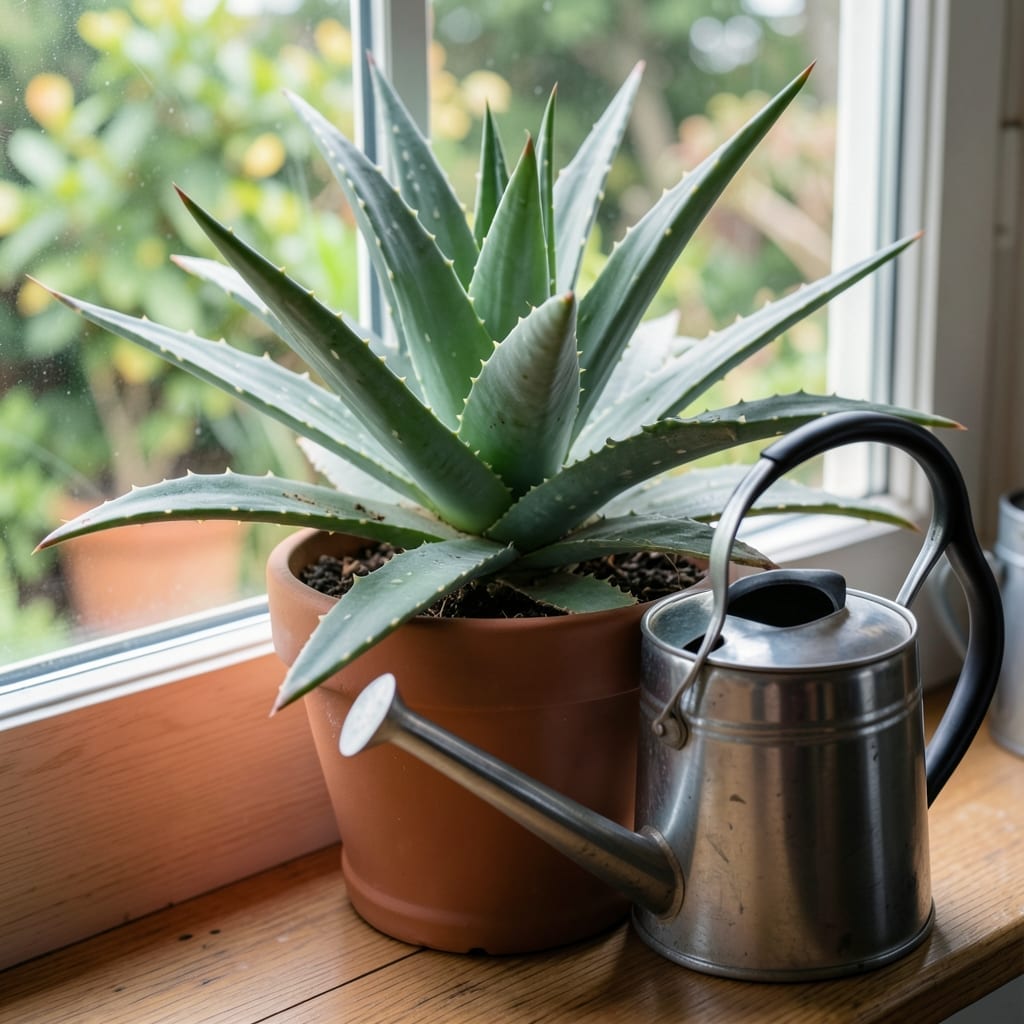
Overwatering is the #1 killer of Aloe 🌱, yet most people still get their watering routine wrong. What if I told you the secret to a thriving plant is doing less, not more?
With the right approach, you’ll keep your Aloe healthy with minimal effort. No more guessing games or wilting leaves—just a simple, effective method.
Discover exactly how to master this essential skill and watch your plant flourish like never before.


Mastering aloe watering starts with understanding its desert origins. This succulent stores water in its leaves, meaning it thrives on neglect rather than frequent attention. Most beginners overwater, leading to root rot and yellowing leaves.
I’ve found the soak-and-dry method works best. This means watering deeply but only when the soil is completely dry. Aloe plants prefer well-draining soil to prevent waterlogging, so always use a pot with drainage holes.
Timing matters just as much as technique. I always water in the morning so the plant can absorb moisture before the heat of the day. Evening watering can lead to excess moisture sitting overnight, increasing the risk of disease.
For indoor aloe plants, aim to water every 2-3 weeks. However, this can vary based on your home’s humidity and temperature. In dry climates or during summer months, you might need to water slightly more often.
If your aloe is outdoors in the ground, it will need even less water. Rainfall often provides enough, but check the soil if there’s a long dry spell. Remember, aloe plants are drought-tolerant and can handle periods without water.
Watch for signs of overwatering, like soft, mushy leaves or a foul odor from the soil. These are red flags that you need to cut back. On the other hand, underwatered aloe will have thin, wrinkled leaves.
Adjust your routine seasonally. In winter, aloe plants enter a dormant phase and need far less water—sometimes as little as once a month. In spring and summer, they’ll be thirstier but still require well-spaced waterings.
Using the right watering tools can make a difference. I recommend a watering can with a narrow spout for precision. This helps direct water to the soil and away from the leaves, reducing the risk of rot.
Finally, remember that less is more with aloe. When in doubt, wait an extra day before watering. Your plant will thank you with lush, healthy growth and vibrant green leaves 🌱
Even with good intentions, it’s easy to make critical watering errors with aloe. The most common is overwatering, which leads to root rot and a slow, painful decline for your plant. Aloe stores water in its leaves, so it doesn’t need frequent drinks.
Another mistake is watering from above, which can trap moisture in the leaf rosettes. This creates the perfect environment for fungal growth and rot. Always aim your water at the soil level.
Overwatering: Leads to root rot and yellow leaves. Stick to the soak-and-dry method.
Poor Drainage: Always use pots with drainage holes to prevent waterlogging.
Cold Water: Can shock the roots. Use room-temperature water only.
Watering Leaves: Causes rot. Direct water to the soil, not the foliage.
Ignoring Seasons: Aloe needs less water in winter and more in summer.
Using cold water is another oversight. It can shock the root system, leading to stress and poor growth. I always let my water sit out for a few hours to reach room temperature before using it.
Poor drainage is a silent killer. If your aloe sits in a pot without drainage holes, excess water has nowhere to go. This suffocates the roots and encourages bacterial growth. Always choose containers that allow water to escape.
Many gardeners also ignore seasonal changes. Aloe plants have different needs throughout the year. In winter, they’re dormant and require minimal water. In summer, they may need a bit more, but still far less than most houseplants.
Finally, inconsistent watering can stress your aloe. Alternating between bone-dry and soggy soil confuses the plant. Stick to a regular schedule based on soil dryness, not the calendar. Your aloe will reward you with strong, healthy growth 🌱