
Beautiful Plants For Your Interior
Beautiful Plants For Your Interior
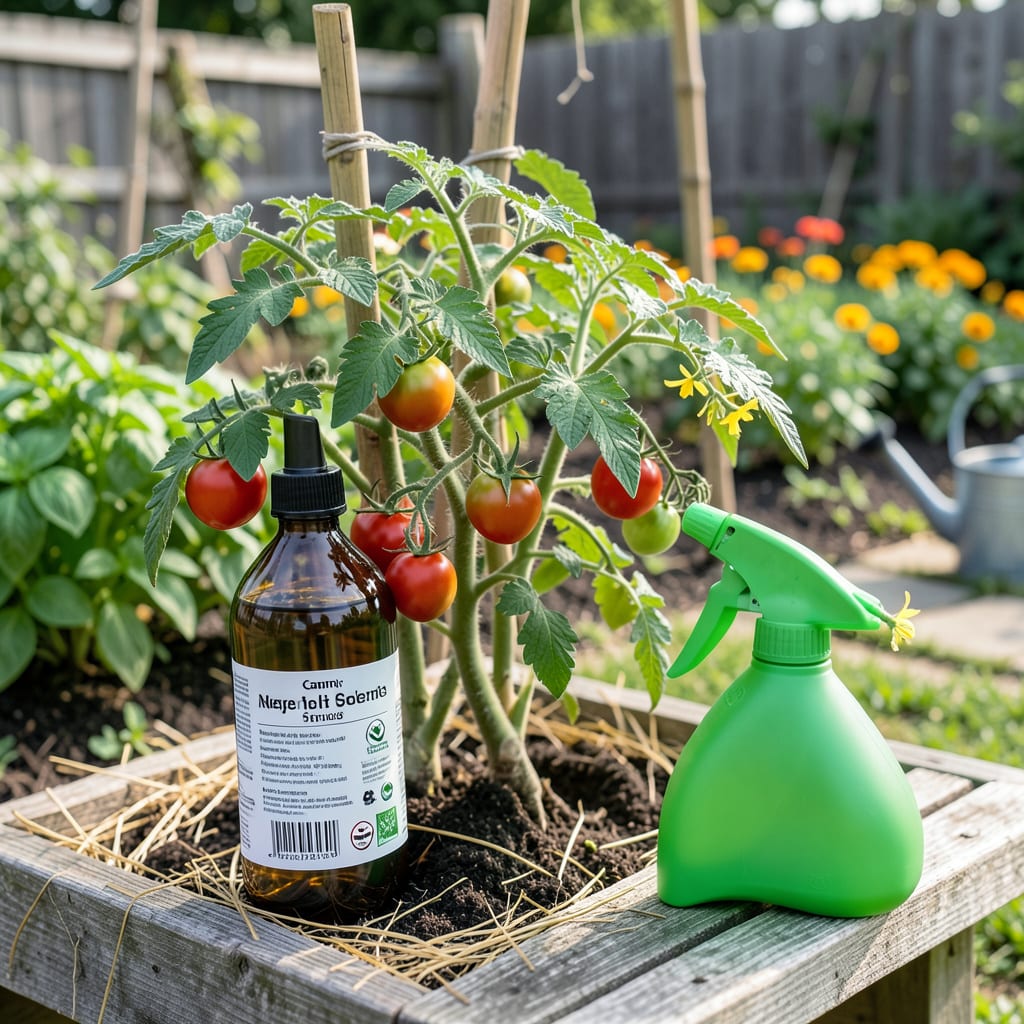
Mix 1-2 tablespoons of neem oil with a gallon of water and a few drops of dish soap, then spray tomato plants thoroughly—focusing on leaf undersides—every 7-14 days. Apply in early morning or late evening to avoid leaf burn, and never spray during flowering if bees are present.
Neem oil’s power comes from its active compound azadirachtin, which disrupts pest feeding and reproduction cycles without harming beneficial insects when used correctly. 🔥 I’ve found that alternating application times between dawn and dusk helps prevent resistance buildup in common tomato pests like aphids and whiteflies. The soap acts as an emulsifier to help the oil spread evenly, while the early/late timing protects leaves from sun-related damage.
What many gardeners overlook is how neem oil’s antifungal properties combat early blight and powdery mildew simultaneously. ✨ For best results, I recommend testing a small area first and avoiding applications during rain or extreme heat—conditions that can reduce effectiveness or cause plant stress.
💡 In This Article
The secret lies in neem oil’s active compound azadirachtin, which acts as a natural insect growth regulator. This compound interferes with pests’ hormonal systems, preventing them from molting, mating, and laying eggs.
🔥 For tomato plants, this means disrupting the life cycles of common invaders like aphids, whiteflies, and spider mites without the harsh chemicals found in synthetic pesticides.
Beyond pest control, neem oil contains nimbidin and nimbin, compounds with powerful antifungal properties. These naturally combat tomato diseases like early blight and powdery mildew by inhibiting spore germination.
✨ Studies show neem oil can reduce fungal infection rates by up to 70% when applied preventatively, making it particularly valuable in humid climates where fungal pressure is high.
What makes neem oil especially suitable for tomatoes is its systemic action when absorbed through leaves. The plant’s vascular system distributes the active compounds throughout its tissues, providing protection from within. This systemic effect lasts about 7-10 days before requiring reapplication, which is why the 7-14 day spray interval works so effectively for continuous protection.
The oil’s coating action creates a physical barrier that suffocates soft-bodied insects on contact. This dual mechanism—both systemic and contact—gives neem oil an advantage over single-action treatments. 💫 For tomato growers, this means addressing both current infestations and preventing future ones with a single application, provided you achieve thorough coverage.
Unlike chemical pesticides that can leave harmful residues, neem oil breaks down quickly in sunlight (half-life of 3-22 days in soil) and doesn’t accumulate in plant tissues. This makes it safe for edible crops when used as directed, with the added benefit of not harming pollinators when applied during non-flowering periods.
The oil’s bitter taste also acts as an antifeedant, deterring pests from returning to treated plants.
For maximum effectiveness, the oil needs to be properly emulsified—which is where the dish soap comes in. The soap helps disperse the oil evenly in water and improves its ability to spread across leaf surfaces. Without this emulsification, neem oil would separate and fail to provide uniform protection.
🌟 This is why the standard 1-2 tablespoons per gallon ratio with soap works so reliably for tomato plants.
For prevention, spray every 10-14 days throughout the growing season. If you’re treating an active infestation, increase frequency to every 5-7 days until the problem resolves. Always monitor plants after application and adjust based on pest pressure and weather conditions.
It’s best to avoid spraying during flowering if bees are present. Neem oil isn’t directly toxic to bees, but the oil can clog their breathing pores. Apply either before flowers open or in the evening when pollinators are less active. The oil breaks down quickly, so 24-48 hours of avoidance is usually sufficient.
Early morning or late evening are ideal times to spray. Temperatures should be below 85°F to prevent leaf burn. Avoid midday sun when evaporation is highest. Evening applications allow the oil to work overnight when many pests are most active.
The protective effects last about 7-10 days under normal conditions. However, heavy rain can wash it away sooner. The oil breaks down in sunlight, with a soil half-life of 3-22 days. For continuous protection, maintain your regular spray schedule regardless of immediate pest visibility.
Yes, but space applications 3 days apart to avoid plant stress. Neem oil works well with insecticidal soap (use soap first) or baking soda sprays for fungal issues. Never mix directly with other oils or sulfur-based products, as this can cause phytotoxicity. Always test combinations on a small area first.
