
Beautiful Plants For Your Interior
Beautiful Plants For Your Interior
Plumbago plants reward gardeners with vibrant blue or white blooms, but proper pruning is key to maintaining their health and flower production. These ten expert trimming techniques will help you shape your plumbago for maximum beauty and vigor.
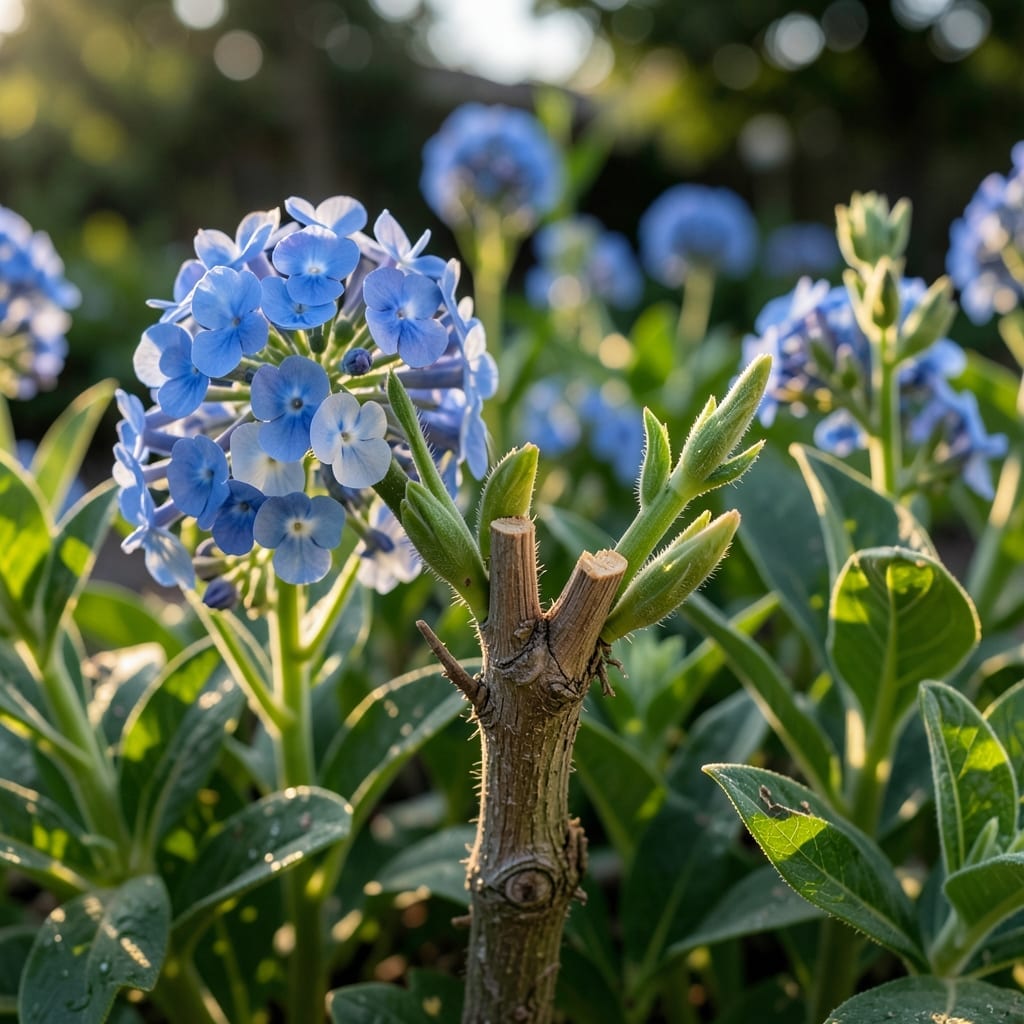
Timing your pruning right can make the difference between a lackluster plumbago and one that bursts with color next season. The post-bloom method is your secret weapon for encouraging fresh growth and abundant flowers.
Cut back stems by about one-third immediately after the current blooming cycle slows, typically in late summer or early fall. This gives the plant time to establish new growth before winter dormancy. Use clean, sharp pruners to make 45-degree angle cuts just above a leaf node.
This approach works especially well for gardeners who want to maximize next year’s blooms without stressing their plants. 🌱
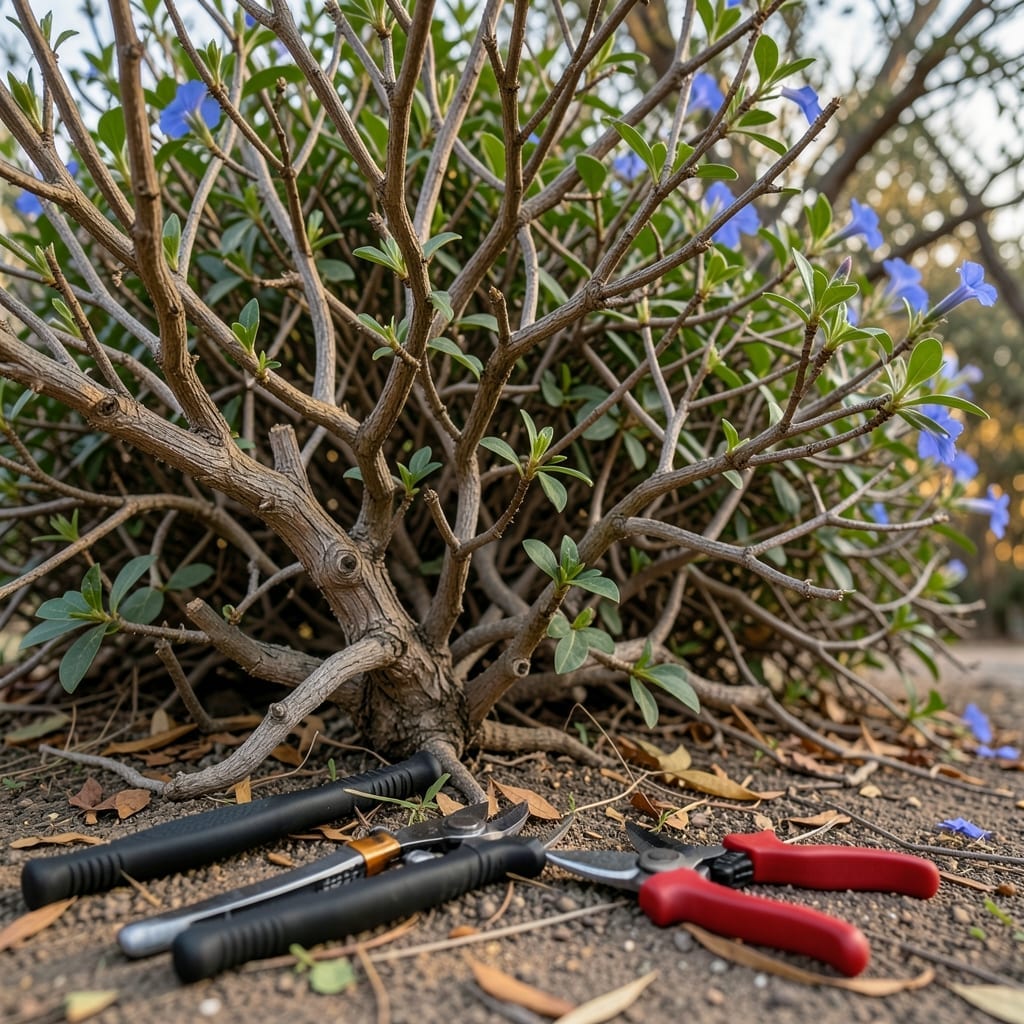
If your plumbago looks more like a wild thicket than a blooming beauty, hard pruning can work wonders. This bold approach breathes new life into neglected plants by removing up to one-third of the oldest stems.
Use sharp loppers or pruners to cut back woody growth to a healthy bud or lateral branch. Focus on the thickest, most congested stems first, and always sanitize your tools between cuts to prevent disease spread.
This method is perfect for rescuing overgrown specimens and encouraging vigorous, flower-filled regrowth in the coming season. 🌿
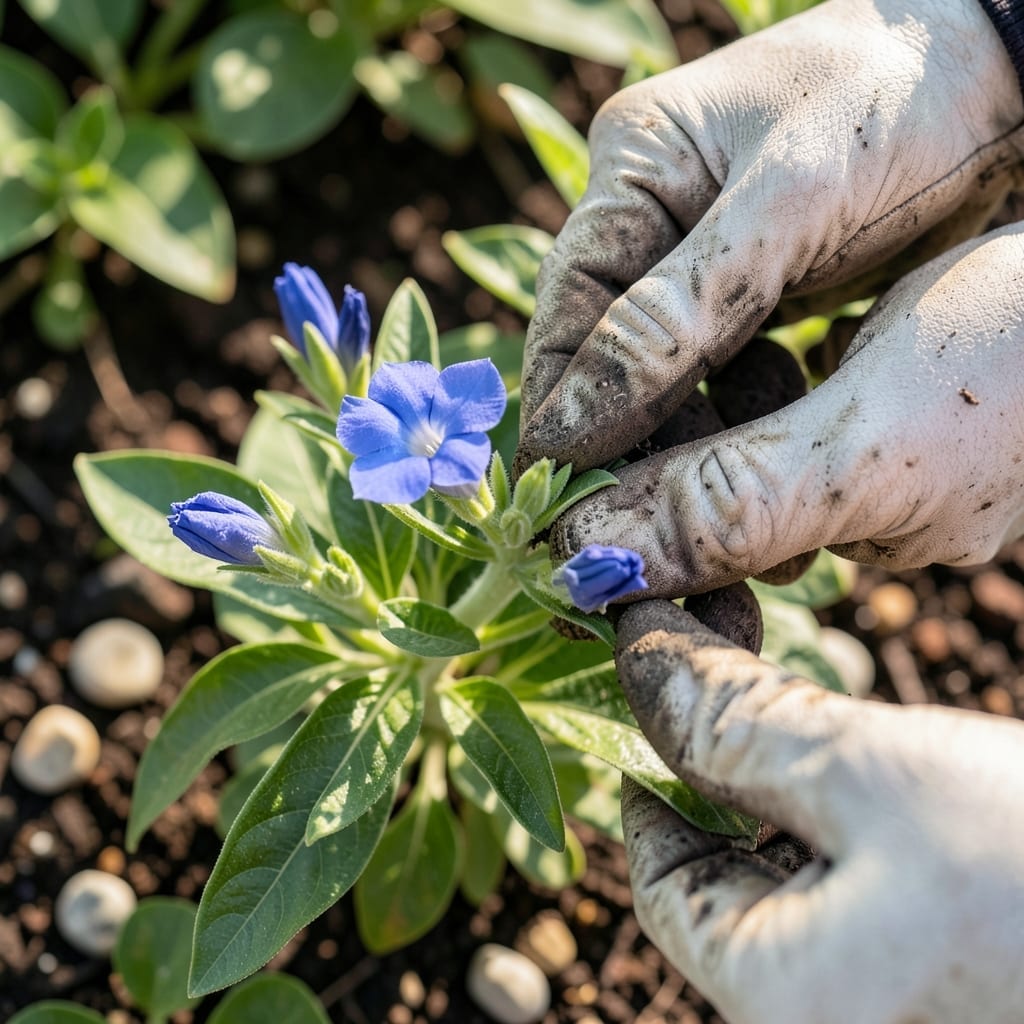
Want a fuller plumbago with more blooms this season? Pinching back young shoots in early spring is your simple, no-tools-required solution for a lush, compact plant.
Use your fingers to snip off the top 1-2 inches of new growth, focusing on the soft, green tips. This encourages the plant to branch out from below the pinch, creating a denser form with more flowering sites.
Beginner gardeners love this technique because it’s gentle, effective, and requires nothing more than a quick walk through the garden. 🌱
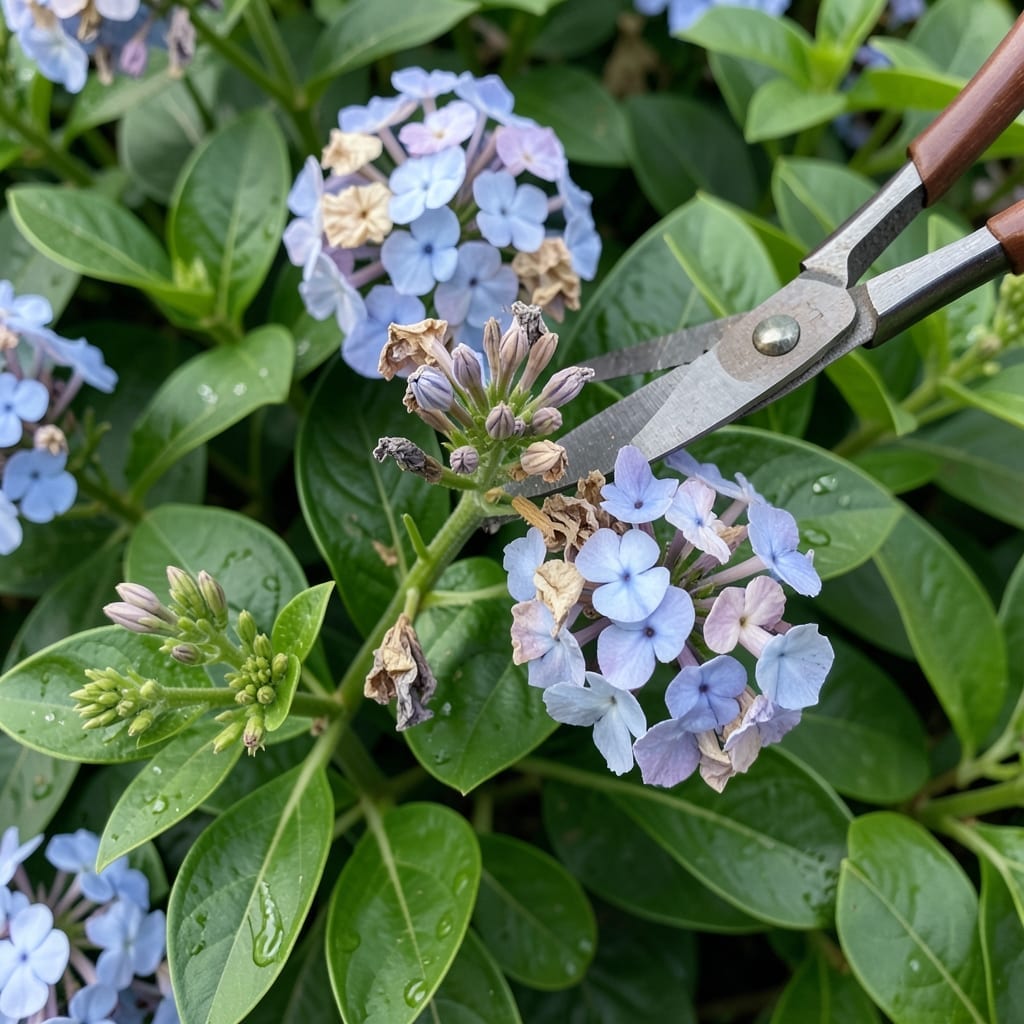
Stop letting those faded plumbago blooms drain your plant’s energy. Deadheading spent flowers is like giving your plant a second wind, redirecting its focus to producing fresh, vibrant blooms instead of seeds.
Simply snip off wilted flower clusters just above the next set of leaves or buds using clean pruners. This quick task not only keeps your plant looking neat but also encourages continuous blooming throughout the season.
Perfect for gardeners who want to maximize their plumbago’s flowering potential with minimal effort. 🌿
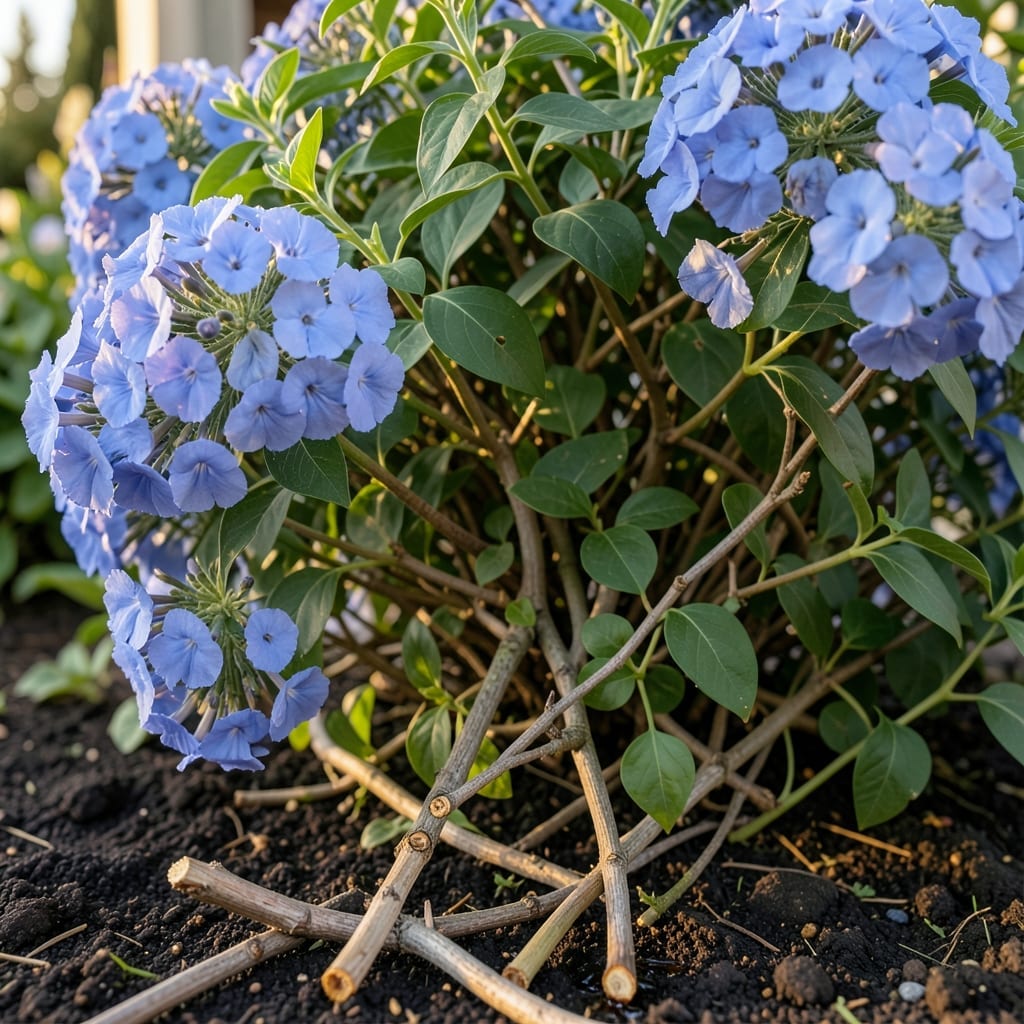
If your plumbago looks congested in the middle, thinning crowded stems is your solution. This selective pruning opens up the plant’s center, allowing light and air to reach every part of the bush.
Focus on removing weak or crossing branches at their base, using sharp pruners for clean cuts. Target the oldest, woodiest stems first to improve air circulation and reduce the risk of fungal diseases like powdery mildew.
This technique works best for mature plants that have become too dense, ensuring healthier growth and more vibrant blooms. 🌿
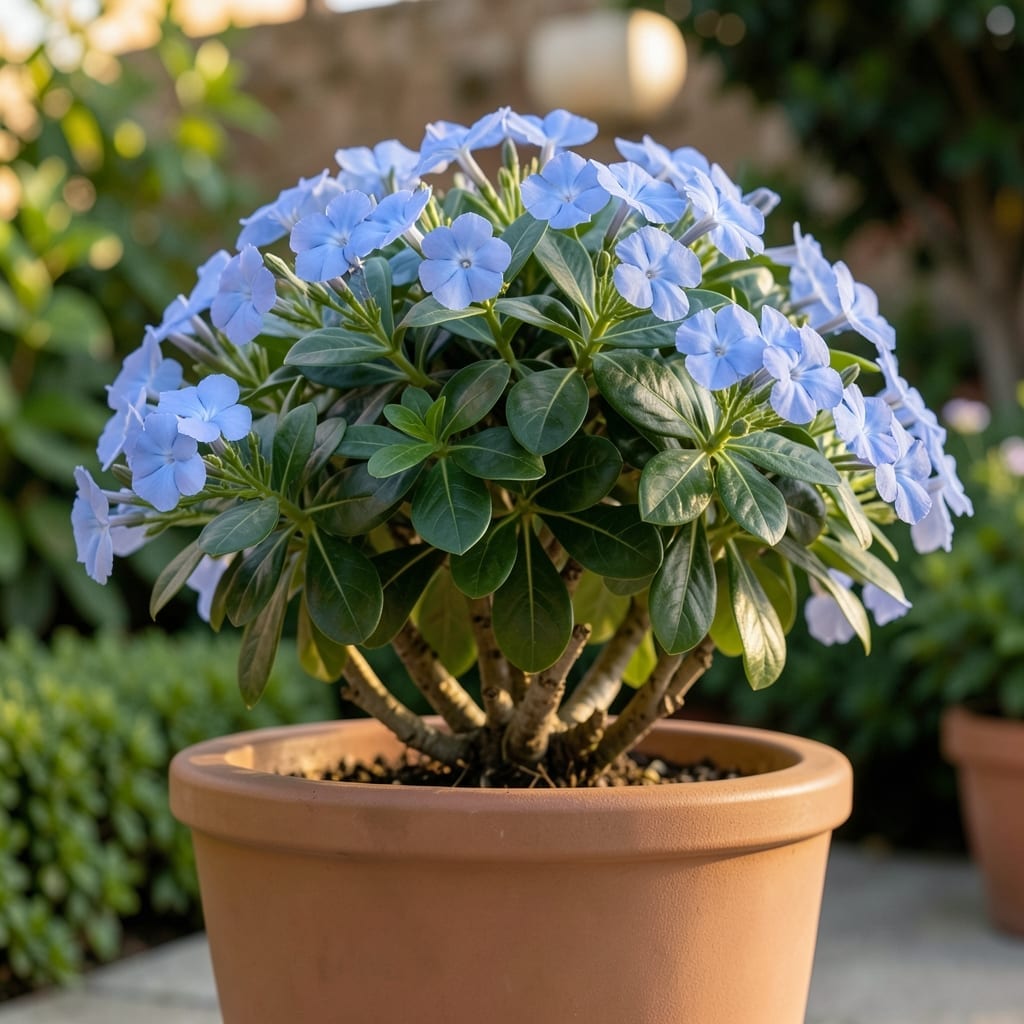
Love the look of perfectly manicured plants? Seasonal shape pruning keeps your plumbago looking like it belongs in a formal garden or high-end container display all year long.
Trim back any unruly growth every 4-6 weeks during the growing season, focusing on maintaining a symmetrical, rounded form. Use sharp shears to make clean cuts just above leaf nodes, and step back frequently to check your progress from all angles.
This method is perfect for gardeners who want a polished, container-ready look with minimal effort. 🌿
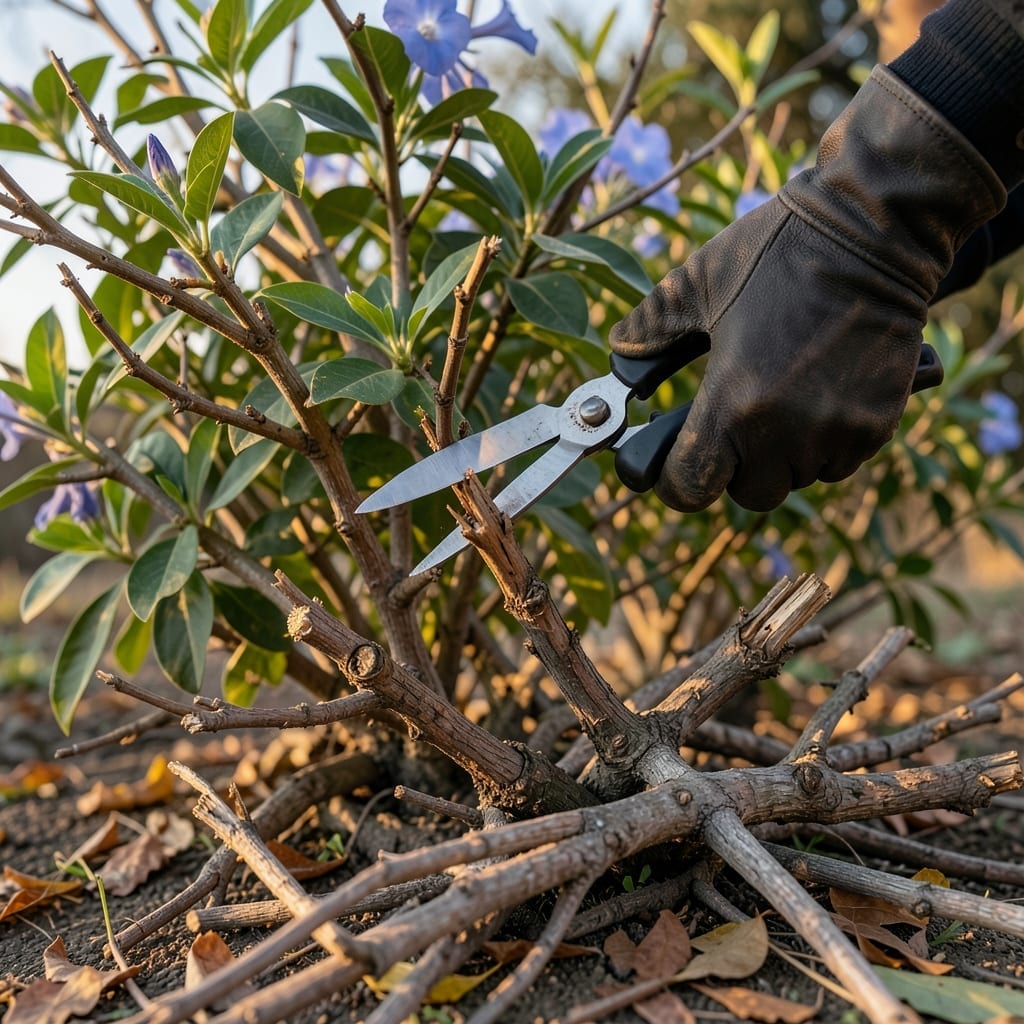
As your plumbago prepares for winter’s rest, cleanup pruning gives it a head start for spring. This late-season task focuses on removing dead, diseased, or damaged wood to help the plant channel its energy where it matters most.
Use sharp pruners to snip off any brown or brittle stems, making clean cuts just above healthy buds. Avoid heavy pruning now—just remove what’s clearly spent to prevent stress before dormancy. This keeps your plant tidy and disease-free during colder months.
Ideal for gardeners in colder climates or those with mature plants needing a little winter prep. 🌱
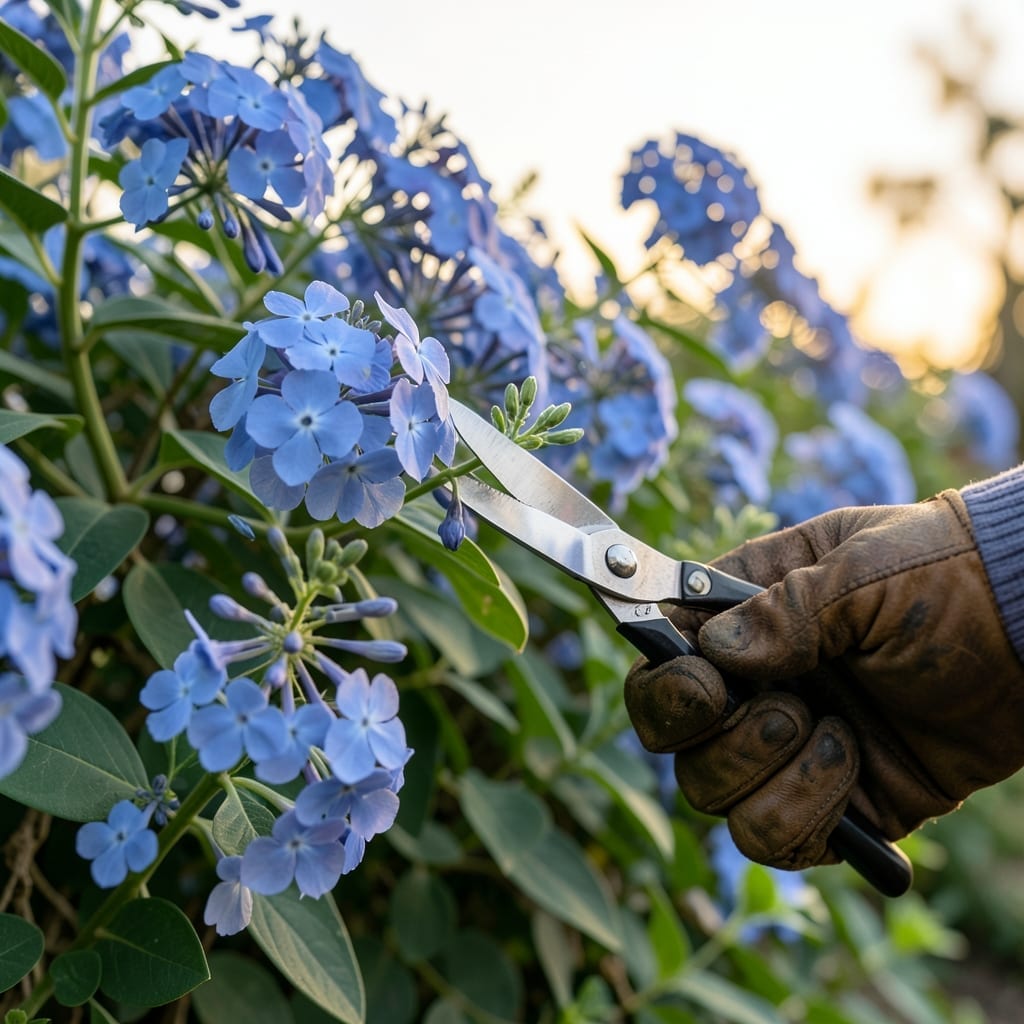
Want your plumbago to keep producing its stunning blue blooms all season? Light trimming is the simple secret to a longer, more abundant flowering period.
During active growth, snip back stem tips by just a few inches every 2-3 weeks. This gentle approach stimulates the plant to produce new growth and fresh flower buds, preventing it from becoming leggy. Always use clean, sharp pruners for precise cuts just above a leaf node.
This method is perfect for gardeners who want continuous color with minimal effort, keeping their plumbago vibrant from spring to fall. 🌿
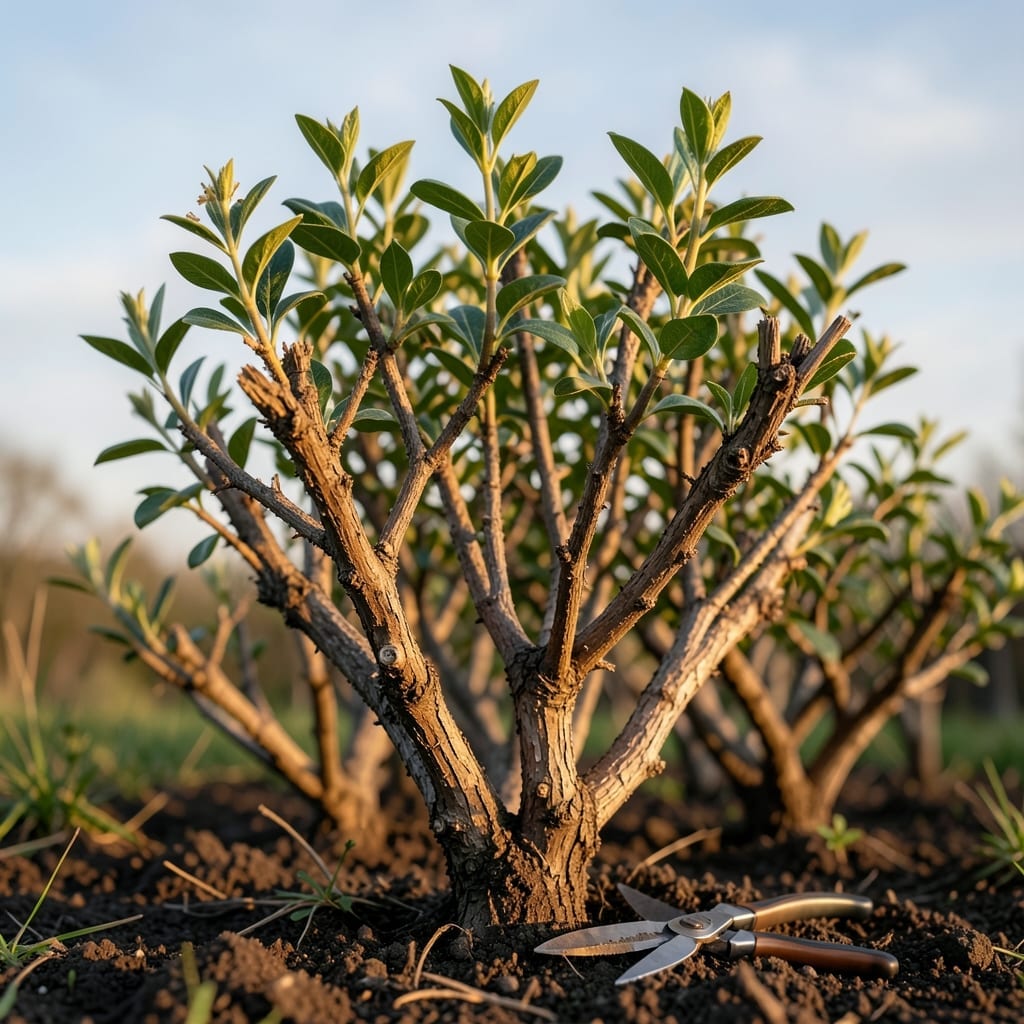
When your plumbago looks more like a woody shrub than a blooming beauty, rejuvenation pruning can bring it back to life. This bold technique involves cutting the plant back to just 6-12 inches above soil level.
Timing is crucial—perform this drastic cut in early spring before new growth emerges. Use sharp loppers or pruners, and don’t be afraid to remove even thick, woody stems. The plant will respond by sending up fresh, vigorous shoots from the base.
This method is ideal for reviving very old or neglected plumbago, giving it a fresh start for a season of lush growth and abundant blooms. 🌱
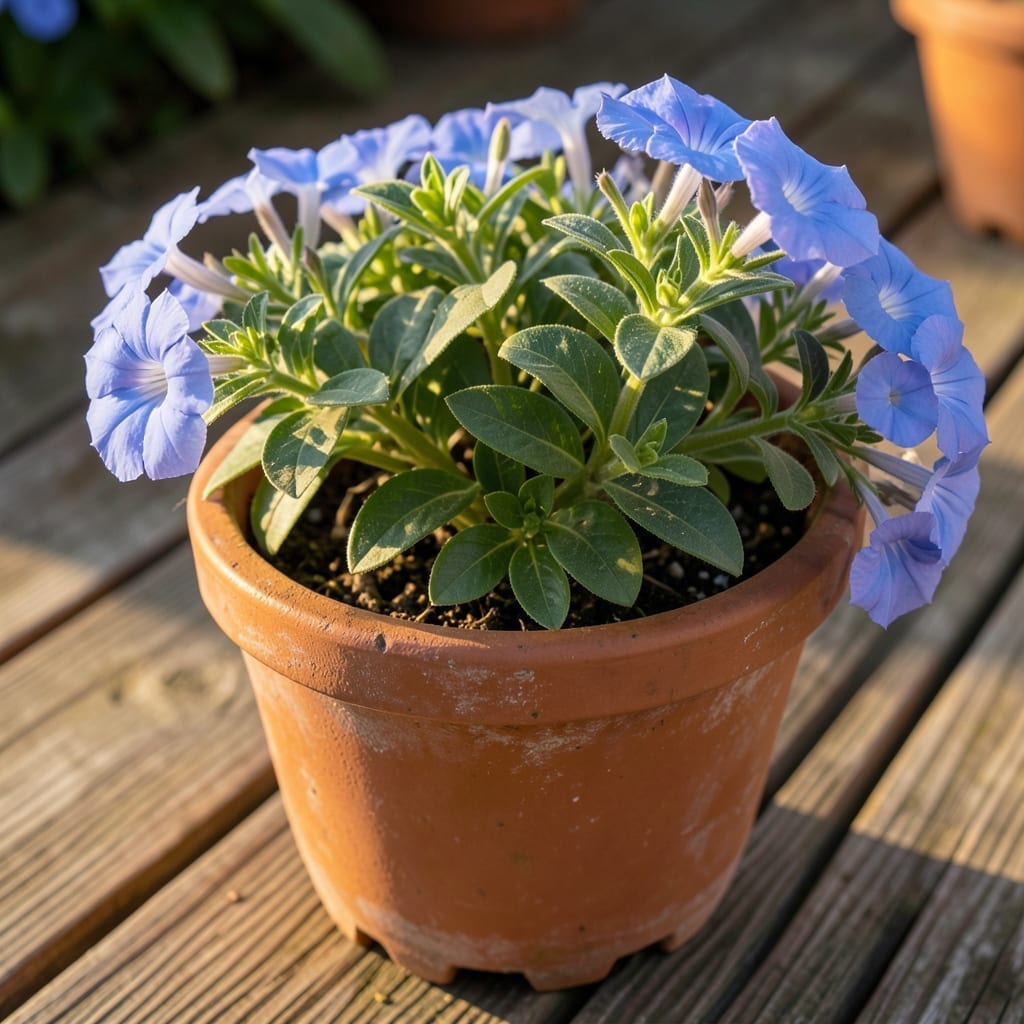
Potted plumbago needs special attention to thrive in confined spaces. Unlike their in-ground counterparts, container-grown plants require both top growth and root management to stay healthy and compact.
Trim back long, leggy stems by one-third every 6-8 weeks during the growing season to maintain shape. For root-bound plants, carefully remove the plant, trim back up to one-third of the root ball, and repot in fresh soil to prevent stress and encourage new growth.
This technique is ideal for balcony gardeners or anyone growing plumbago in containers who want lush, controlled plants. 🌿