
Beautiful Plants For Your Interior
Beautiful Plants For Your Interior
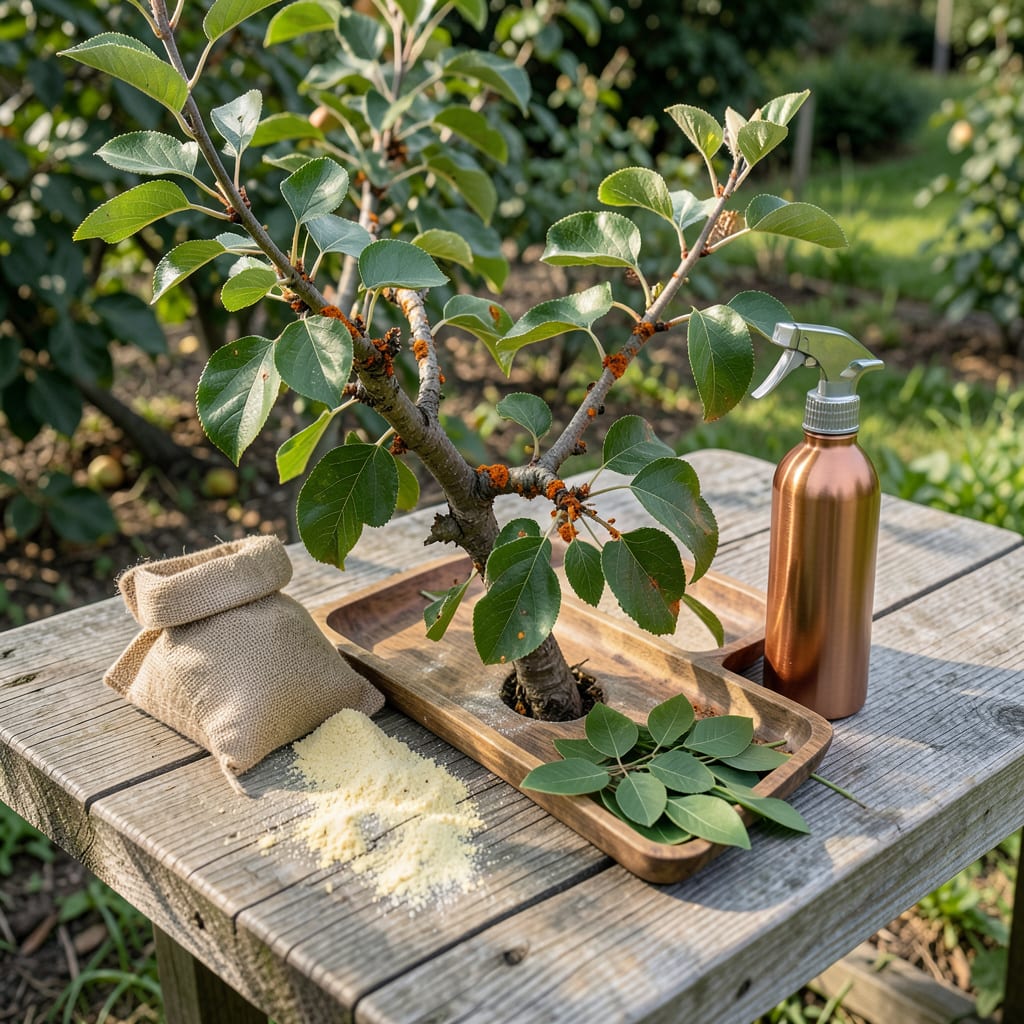
Orange galls on cedars last spring meant apple problems this year. Cedar apple rust spreads silently between these plants, and I learned the hard way that early action saves your harvest.
Spotting the bright orange leaf spots and curled leaves is your first clue. Left unchecked, it weakens trees and ruins fruit. The good news? Simple treatments can stop its spread without breaking the bank.
I’ve tested both organic sprays and cultural fixes. Removing nearby cedars helps, but most gardeners can’t do that. So I focus on timing fungicides right and keeping the area clean.
Your trees can recover within a season with consistent care. Here’s exactly how to break the cycle and protect your apples.
Cedar apple rust is a common fungal disease that affects apple trees, and understanding its causes is key to prevention. Here are the primary reasons it occurs:
The fungus Gymnosporangium juniperi-virginianae requires two hosts to complete its life cycle: apple trees (or related plants like crabapples) and eastern red cedar (or juniper). Spores from cedar trees infect apple trees in spring, while apple tree infections later release spores that reinfect cedars. Without both hosts nearby, the disease cannot thrive.
Warm, wet springs create ideal conditions for spore germination. Rain or heavy dew helps spores spread from cedar trees to apple foliage. Prolonged moisture also allows the fungus to penetrate leaves and fruit, leading to visible rust spots and lesions.
Some apple cultivars lack genetic resistance to cedar apple rust. Varieties like ‘Jonathan,’ ‘Gala,’ and ‘McIntosh’ are highly vulnerable, while others (e.g., ‘Liberty’ or ‘Redfree’) are bred for resistance. Planting susceptible trees near cedars increases infection risk.
Watering methods that wet leaves (like sprinklers) or dense canopies with poor airflow extend leaf moisture, aiding fungal growth. Proper pruning and drip irrigation reduce these risks.
Cedar apple rust doesn’t have to spell doom for your apple trees. Tackle the problem head-on with these targeted solutions, organized by cause and fix, plus prevention tips to keep your orchard healthy for years to come.
The fungus Gymnosporangium juniperi-virginianae needs both apple trees and junipers (like cedars) to complete its life cycle. Remove all juniper hosts within a 1-mile radius of your apple trees. If that’s not feasible, prune out and destroy any galls (swollen, brownish growths) on junipers before they release spores in spring.
Prevention tip: 💡 Plant resistant apple varieties like ‘Liberty,’ ‘Freedom,’ or ‘Enterprise’ to minimize future infections.
Fungicides are most effective when applied before the fungus spores germinate. Start spraying in early spring, just as apple buds begin to swell (pink tip stage), and continue every 7–10 days until petal fall. Use copper-based fungicides or myclobutanil (Immunox) for organic and conventional options, respectively. Always follow label instructions for mixing and timing.
Prevention tip: 🎯 Rotate fungicides with different modes of action to prevent resistance.
As soon as you spot orange-yellow spots on leaves or fruit, prune and destroy infected branches, leaves, and fruit. This removes the fungus’s food source and stops it from spreading. Sterilize pruning tools with rubbing alcohol between cuts to avoid contamination.
Prevention tip: ✨ Clean up all fallen leaves and debris around the tree in late fall to eliminate overwintering spores.
Cedar apple rust thrives in damp, stagnant conditions. Thin out crowded branches to improve airflow and reduce humidity around the foliage. Space apple trees at least 10–15 feet apart when planting new ones.
Prevention tip: 🌡️ Water trees at the base in the morning so foliage dries quickly, discouraging fungal growth.
Begin fungicide applications in early spring at the pink tip stage, before spores germinate. Continue every 7-10 days until petal fall for best results.
Yes! Copper-based fungicides work well and are organic-approved. Apply them preventatively, following label rates for apple trees.
Prune out all galls on cedars before spring. Focus on resistant apple varieties and maintain rigorous fungicide schedules.
New leaves should remain spot-free after 2-3 weeks of treatment. Reduced yellow-orange spots on new growth signals success.
