
Beautiful Plants For Your Interior
Beautiful Plants For Your Interior
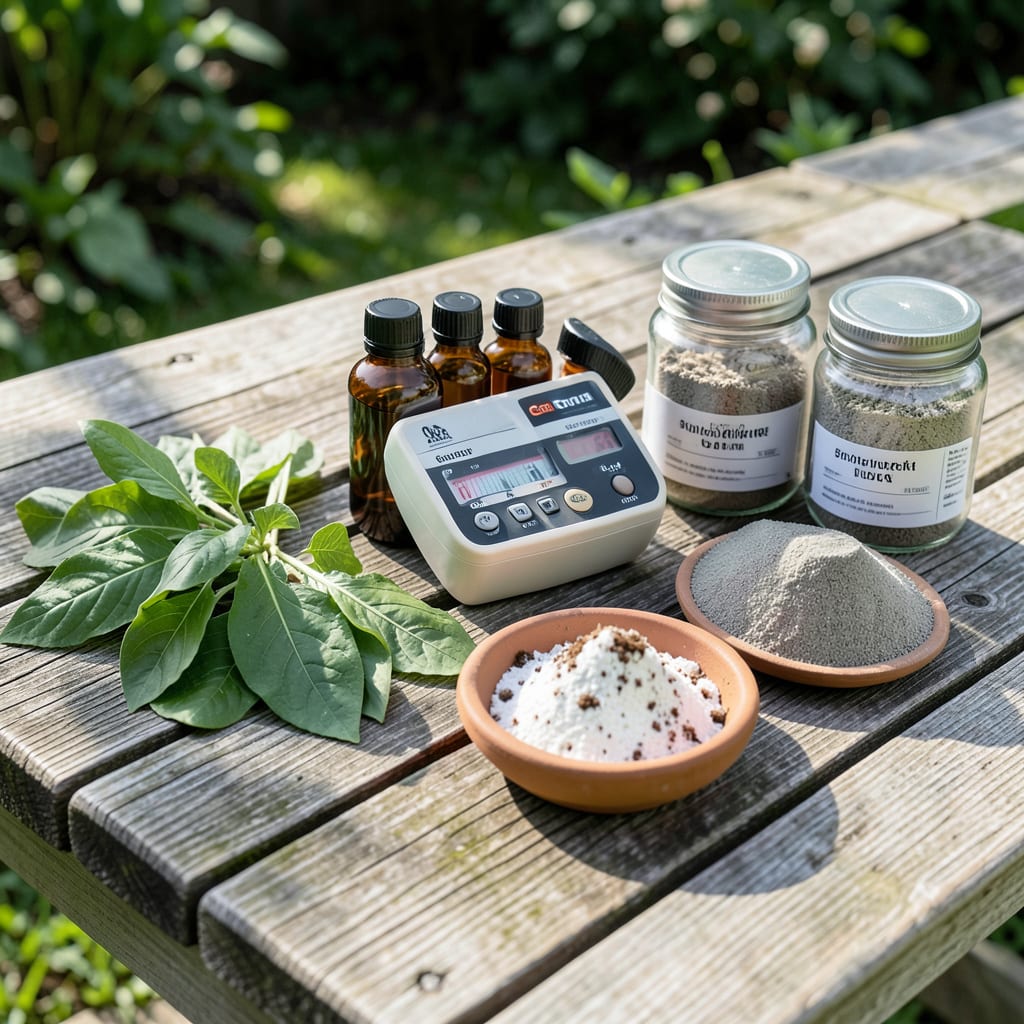
Yellowing leaves and stunted growth often point to acidic soil. I’ve fixed this in my own garden with simple amendments that bring balance back to the earth.
Within 2-3 months, you’ll see healthier plants and more vibrant blooms. The process is straightforward—just a soil test, the right materials, and a little patience.
📚 In This Guide
Here’s the method I rely on to balance soil pH without guesswork or expensive equipment.
Start with a professional soil test from your local extension service—home kits often lack the precision needed for meaningful adjustments. Collect samples from 4-6 inches deep across multiple spots in your garden, as pH can vary dramatically even within a small area.
I’ve seen DIY tests give results that were off by a full point, leading to over-application of amendments. The lab report will include your current pH along with lime or sulfur recommendations tailored to your specific soil type and target plants.
Different plants thrive in different pH ranges, and blindly aiming for neutral (7.0) isn’t always the solution. Blueberries and azaleas actually prefer 4.5-5.5, while most vegetables do best at 6.0-7.0. Your soil test results will indicate the ideal range for what you’re growing.
This is where many gardeners go wrong—applying lime to acid-loving plants can be as damaging as leaving the soil too acidic for pH-sensitive crops. Check the requirements for your specific plants before making any adjustments.
For raising pH in acidic soil, agricultural lime is the standard amendment. The amount needed depends on your current pH, target pH, and soil type—clay soils require significantly more lime than sandy soils to achieve the same pH change. Your soil test report will provide exact application rates.
Spread the lime evenly using a broadcast spreader or by hand, then work it into the top 6 inches of soil with a garden fork or tiller. Water thoroughly to help the lime begin reacting with the soil. Remember that lime takes 2-3 months to fully affect soil pH, so test again after this period.
After the recommended waiting period, retest your soil to verify the pH shift. It’s common to need multiple applications spread over time rather than one large dose. I’ve found that splitting lime applications into two or three smaller treatments over a growing season often works better than one heavy application.
Keep in mind that organic matter like compost can help buffer pH changes, making your soil more resistant to dramatic swings. Regular additions of compost—about 1-2 inches worked into the topsoil annually—can help maintain more stable pH levels over time.
Once you’ve achieved your target pH, maintenance becomes key. Reapply lime or sulfur as needed based on annual soil tests. Remember that some fertilizers, particularly ammonium sulfate and urea, can acidify soil over time, potentially undoing your hard work.
I recommend testing soil pH every 2-3 years as part of your regular garden maintenance. This proactive approach prevents pH from drifting too far in either direction and helps you catch any issues before they affect plant health.
Here are the key insights I’ve gained from years of adjusting soil pH with precision.
Testing Accuracy: In Step 1, resist the temptation to use cheap home test kits—they often lack the precision needed. I’ve seen DIY results off by a full pH point, leading to over-application of lime or sulfur. Always opt for a professional lab test from your extension service for reliable data.
Depth Matters: When collecting soil samples in Step 1, go the full 4-6 inches deep as specified. Surface-level samples won’t give you the true picture of your soil’s pH, especially since acidity can vary dramatically even within a small garden area.
Patience with Lime: In Step 3, remember that lime takes the full 2-3 months to fully adjust soil pH. Don’t expect immediate results—this is a slow chemical process. Rushing it by adding more lime too soon can lead to overcorrection, which is just as harmful as under-treatment.
Compost as a Buffer: Step 4 mentions adding 1-2 inches of compost annually, and I can’t stress this enough. Organic matter acts as a natural buffer, stabilizing pH and preventing dramatic swings. This is especially helpful if you’re growing a variety of plants with different pH needs.
Test your soil every 2-3 years, or before planting new crops. Frequent testing helps track pH changes, especially after amendments like lime or sulfur. Use a home test kit or send samples to a lab for accuracy.
Baking soda can temporarily raise pH, but it’s not a long-term solution. For lasting results, use agricultural lime (calcium carbonate) or dolomitic lime. Always test soil first to avoid over-application.
Lime typically takes 2-3 months to fully adjust soil pH. For faster results, use finely ground lime and mix it into the top 6 inches of soil. Watering helps speed up the process.
Blueberries, azaleas, rhododendrons, and potatoes love acidic soil (pH 4.5–6.0). Avoid adding lime to their beds—opt for sulfur or peat moss to maintain acidity if needed.
Slow results may mean the lime wasn’t mixed deeply enough or the soil is highly buffered. Retest pH after 3 months, and consider adding more lime or using a faster-acting form like hydrated lime.
